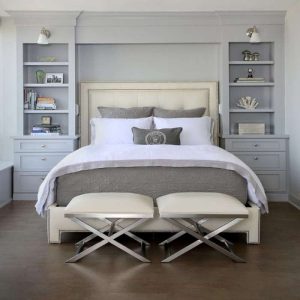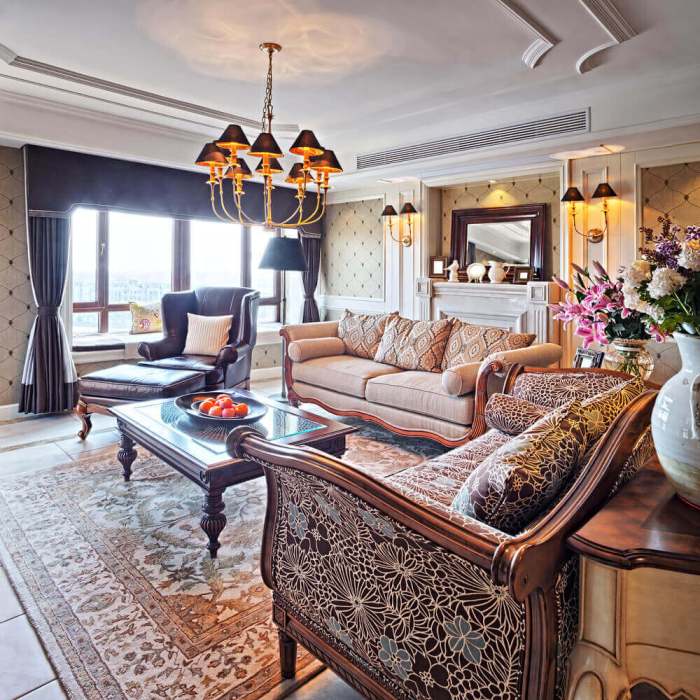
Transforming a living room into an elegant sanctuary requires careful consideration of various design elements. From furniture selection and color palettes to lighting and accent pieces, each choice contributes to the overall ambiance. This guide explores the key principles of elegant living room decor, offering practical advice and inspiring ideas to create a space that reflects your personal style and enhances your daily life.
We’ll delve into diverse styles, from the clean lines of modern minimalism to the rich textures of traditional designs, examining how color schemes, furniture arrangements, and carefully chosen accents can elevate your living room’s aesthetic. We’ll also address the crucial role of lighting in setting the mood and maximizing the space’s potential, ensuring both functionality and beauty are seamlessly integrated.
Defining “Elegant Living Room Decor”
Elegant living room decor transcends mere aesthetics; it’s about creating a space that exudes sophistication, comfort, and a sense of refined taste. It’s a harmonious blend of design elements that work together to create an atmosphere of understated luxury and tranquility. This isn’t about ostentation, but rather a carefully curated selection of pieces that speak to a discerning eye.Core elements contributing to elegant living room decor include thoughtful furniture selection, high-quality materials, a cohesive color palette, strategic lighting, and carefully chosen accessories.
The overall effect should be one of balance and visual appeal, creating a space that is both inviting and impressive.
Different Styles of Elegant Living Room Decor
Elegant design manifests in various styles, each with its unique characteristics. Modern elegant living rooms often feature clean lines, minimalist furniture, and a focus on functionality. Neutral color palettes are common, punctuated by pops of color in artwork or accessories. Traditional elegant living rooms, conversely, embrace richer textures, ornate details, and classic furniture silhouettes. Think plush velvet sofas, antique accents, and richly patterned fabrics.
Minimalist elegant living rooms prioritize simplicity and functionality, foregoing unnecessary clutter and focusing on a few carefully chosen, high-quality pieces. The key difference between these styles lies in their approach to ornamentation and the overall level of detail. Modern leans towards simplicity, traditional towards richness, and minimalist towards extreme reduction.
Color Palettes in Elegant Living Room Design
Color plays a crucial role in establishing the mood and atmosphere of an elegant living room. Subtle and sophisticated palettes are key. Overly bright or jarring colors can detract from the desired sense of calm and refinement. Neutral tones such as creams, beiges, grays, and soft whites form a perfect foundation, offering versatility and allowing other elements to shine.
These can be complemented with accent colors chosen to enhance the overall aesthetic. Deep jewel tones like emerald green, sapphire blue, or ruby red can add richness and depth, while muted pastels can introduce a touch of softness and airiness.
Elegant Living Room Color Schemes
Here are three distinct color schemes that can create an elegant living room ambiance:
- Neutral Elegance: This scheme uses a base of warm, creamy whites and soft greys. Accent colors include muted golds and browns, perhaps incorporated through metallic accents or wooden furniture. This palette creates a timeless and sophisticated feel, exuding warmth and serenity. The rationale behind this choice is its versatility and inherent sophistication; it allows for easy incorporation of various textures and patterns without feeling overwhelming.
- Jewel-Toned Sophistication: This scheme centers around deep jewel tones like emerald green and sapphire blue, paired with a neutral backdrop of creamy beige or off-white. Metallic accents in gold or silver add a touch of glamour. This combination creates a rich and luxurious feel, conveying a sense of opulence without being overly flashy. The rationale is to use the power of deep, saturated colors to create a dramatic yet elegant effect.
- Modern Minimalist: This scheme focuses on a monochromatic palette, using various shades of a single neutral color, such as grey or beige. The lack of strong color contrasts emphasizes clean lines and minimalist furniture. The rationale here is the inherent sophistication found in the purity of a limited color palette. This scheme is perfect for creating a sleek and contemporary atmosphere.
Furniture Selection for Elegant Living Rooms
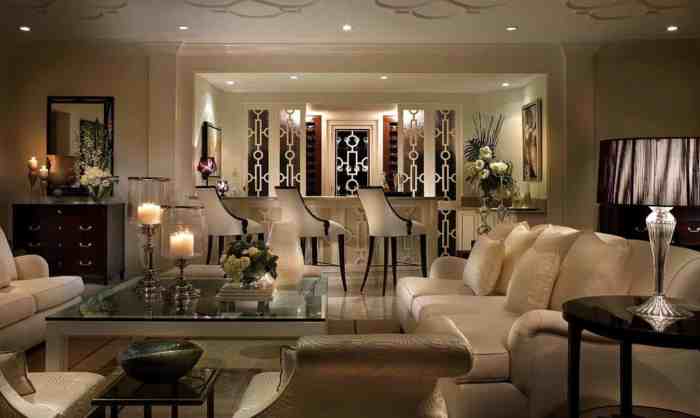
Creating an elegant living room relies heavily on thoughtful furniture selection. The pieces you choose should not only be functional but also contribute to the overall aesthetic, reflecting sophistication and refined taste. Careful consideration of both form and function is paramount in achieving this desired ambiance.
Essential furniture pieces form the backbone of any elegant living room. Their careful placement and selection of materials significantly impact the room’s overall feel.
Essential Furniture Pieces and Their Aesthetic Contribution
An elegant living room typically features a curated selection of furniture, avoiding clutter while maintaining functionality. The following pieces are considered essential:
- Sofa: The centerpiece of the room, a statement sofa in a luxurious fabric like velvet or high-quality linen sets the tone. Its size and style should complement the room’s dimensions and overall design.
- Armchairs: Two or three armchairs, ideally in a coordinating but not matching style to the sofa, provide additional seating and create visual balance. They offer a more intimate seating option than the sofa.
- Coffee Table: A coffee table serves as a central point for drinks, books, and decorative objects. Its material and design should complement the sofa and armchairs, maintaining visual harmony.
- Side Tables: Strategically placed side tables offer convenient surfaces for lamps, drinks, and other items, adding both functionality and visual interest.
- Console Table (Optional): A console table, often placed behind the sofa or against a wall, provides extra storage and display space, enhancing the room’s elegance.
Material Choices in Elegant Living Room Decor
The materials used in your furniture significantly influence the overall elegance of the space. Certain materials inherently convey a sense of luxury and sophistication.
High-quality materials are key to achieving an elegant look. The choice of materials should be carefully considered to ensure they harmonize with the overall design aesthetic.
- Wood: Rich, dark woods like mahogany or walnut exude a sense of classic elegance. Lighter woods, such as oak or maple, can offer a more contemporary feel, depending on the finish.
- Fabric: Luxurious fabrics such as velvet, silk, linen, and high-quality leather add texture and visual appeal. Their colors and patterns should complement the room’s color scheme.
- Metal: Metals like brass, bronze, or polished chrome can add a touch of glamour and sophistication, particularly in accent pieces like lamps or side tables. However, use them sparingly to avoid overwhelming the space.
Visual Impact of Different Furniture Arrangements
The arrangement of furniture significantly impacts the flow and feel of the room. Different arrangements create different visual effects and functionality.
Consider the room’s size and shape when choosing a furniture arrangement. A well-planned layout enhances the room’s aesthetic appeal and functionality.
- Symmetrical Arrangements: Create a formal and balanced look, often ideal for larger living rooms. This typically involves placing matching furniture pieces on either side of a focal point, such as a fireplace or window.
- Asymmetrical Arrangements: Offer a more relaxed and casual feel, suitable for smaller or more modern living rooms. This involves placing furniture pieces in a less formal, more organic manner.
- Conversation Grouping: Arranging furniture to encourage conversation, such as placing sofas and armchairs in a semi-circle, creates a more intimate and welcoming atmosphere.
Furniture Layout for a 15×20 ft Elegant Living Room
This table illustrates a potential furniture layout for a 15×20 ft elegant living room. Remember that this is a suggestion; adjustments should be made based on personal preferences and the specific dimensions of your room.
| Item | Material | Color | Placement |
|---|---|---|---|
| Sofa | Velvet | Deep Teal | Against longest wall, centered |
| Two Armchairs | Linen | Taupe | Flanking the fireplace (if present), or opposite the sofa |
| Coffee Table | Dark Walnut Wood | Natural Wood Finish | In front of the sofa |
| Two Side Tables | Brass | Polished Brass | One beside each armchair |
| Console Table | Dark Oak Wood | Dark Brown Stain | Behind the sofa |
Accent Pieces and Decor
Accent pieces play a crucial role in elevating a living room’s elegance, transforming a well-furnished space into a truly refined and personalized environment. They add personality, texture, and visual interest, tying together the overall design scheme and creating a cohesive aesthetic. Careful selection and placement of these elements are key to achieving a sophisticated look.The strategic use of accent pieces allows for the expression of individual style and the creation of a unique atmosphere.
These items aren’t merely decorative; they contribute significantly to the room’s overall ambiance, influencing its mood and feel. Whether it’s the subtle sheen of a silk throw pillow or the bold statement of a striking piece of artwork, each element works in concert to create an elegant and inviting space.
Accent Piece Examples for Different Decor Styles
The choice of accent pieces should complement the overall style of the living room. A minimalist living room might benefit from a few carefully chosen, high-quality pieces, while a more traditional space could incorporate a richer array of textures and patterns. Consider the following examples:
- Minimalist: A single, large-scale abstract painting in muted tones, a sleek, low-profile coffee table book, a simple yet luxurious cashmere throw.
- Traditional: Ornate throw pillows with rich velvet or brocade fabrics, a patterned rug with intricate details, a collection of framed family portraits or antique prints, ornate candlesticks.
- Modern: Geometric throw pillows in bold colors, a sculptural coffee table, modern art prints with clean lines, a chrome floor lamp.
- Bohemian: A variety of textured throw pillows in earthy tones, a large, patterned rug with fringe, macrame wall hangings, a collection of ethnic-inspired decorative objects.
Elegant Living Room Mood Board (Textual Description)
Imagine a living room bathed in soft, natural light. The walls are painted a calming shade of dove grey, providing a neutral backdrop. A plush, oversized cream-colored velvet sofa anchors the space, its soft curves inviting relaxation. A large, hand-knotted Persian rug in muted blues and golds adds warmth and texture underfoot. Three large, square throw pillows in shades of deep teal and gold velvet adorn the sofa, their plush texture adding a touch of luxury.
Above the sofa hangs a large abstract painting, featuring bold strokes of charcoal grey and deep gold, its modern lines contrasting beautifully with the traditional rug. A low, polished dark wood coffee table sits in front of the sofa, holding a crystal bowl filled with smooth, grey river stones. A pair of sleek, chrome floor lamps stand sentinel beside the sofa, casting a warm, ambient glow.
The overall effect is one of sophisticated serenity and understated elegance.
Incorporating Balcony Decor into Elegant Living Room Design
Three distinct approaches can seamlessly integrate balcony elements into an elegant living room design.
- Visual Extension: Large, floor-to-ceiling windows or French doors leading to the balcony create a sense of visual continuity. By decorating the balcony with furniture and plants that complement the living room’s color scheme and style, you visually extend the living space, creating a seamless flow between indoors and outdoors. For example, using similar furniture styles or color palettes on the balcony will create a harmonious look.
- Themed Connection: Establish a cohesive theme between the living room and balcony decor. If the living room features a Mediterranean style, the balcony could be decorated with terracotta pots filled with herbs and vibrant flowers. A minimalist living room could have a similarly styled balcony with simple, modern planters and clean lines.
- Strategic Accents: Incorporate elements from the balcony into the living room’s design. For instance, if the balcony features a stunning view, a large photograph or painting capturing that view can be displayed prominently in the living room. Similarly, if the balcony has beautiful plants, potted versions of those plants could be incorporated into the living room’s decor.
Lighting and Ambiance
Lighting is paramount in establishing the elegant atmosphere of a living room. It’s not merely about illumination; it’s about crafting a mood, highlighting architectural details, and showcasing the carefully chosen décor. The right lighting scheme can transform a space from merely functional to truly captivating.The strategic use of different lighting types—ambient, task, and accent—is crucial for achieving a balanced and elegant effect.
Each type plays a distinct role in creating a layered and sophisticated lighting design.
Ambient Lighting
Ambient lighting provides overall illumination, setting the general mood of the room. In an elegant living room, this could be achieved through a statement chandelier, recessed lighting strategically placed to avoid harsh shadows, or a combination of both. A soft, warm light is generally preferred for an elegant ambiance, creating a welcoming and relaxing atmosphere. Avoid overly bright or stark lighting, which can detract from the overall sense of sophistication.
Consider using dimmers to control the intensity and create different moods throughout the day.
Task Lighting
Task lighting focuses on specific areas where activities take place, such as reading a book or engaging in a conversation. Elegant task lighting options include stylish table lamps positioned beside seating areas, floor lamps with adjustable arms for precise illumination, or even strategically placed wall sconces that cast a soft glow on a reading nook. These fixtures should complement the overall design aesthetic, adding to the elegance rather than detracting from it.
The light should be bright enough to be functional but not harsh or intrusive.
Accent Lighting
Accent lighting is used to highlight specific features or artwork within the living room. This might involve track lighting to showcase a collection of paintings, strategically placed spotlights to illuminate a sculpture, or even LED strip lighting subtly highlighting architectural details like crown molding. Accent lighting adds depth and visual interest, drawing attention to carefully chosen elements and enhancing the overall sense of luxury.
It’s crucial to ensure the accent lighting doesn’t compete with the ambient lighting but instead complements it, creating a harmonious and sophisticated atmosphere.
A Lighting Plan for an Elegant Living Room
Consider a living room with high ceilings and a neutral color palette. A large, ornate crystal chandelier would serve as the primary ambient lighting source, providing a soft, warm glow throughout the room. Recessed lighting would supplement the chandelier, providing even illumination without harsh shadows. Two stylish table lamps with silk shades would flank a sofa, offering task lighting for reading or conversation.
Finally, track lighting above a gallery wall would showcase prized artwork, providing the perfect accent lighting. Dimmers on all fixtures would allow for adjustments to suit different moods and times of day. This combination creates a layered and sophisticated lighting scheme, contributing significantly to the overall elegance of the space.
Maximizing Natural Light
Natural light is a powerful tool in enhancing the elegance of a living room. Maximizing natural light involves strategic window treatments, such as sheer curtains or blinds that allow ample light to filter through while still providing privacy. Mirrors strategically placed can reflect natural light, further brightening the space and creating a sense of openness and airiness. Light-colored walls and furnishings also help to reflect natural light, contributing to a brighter and more elegant atmosphere.
By maximizing natural light, one can reduce reliance on artificial lighting during the day, creating a more energy-efficient and naturally beautiful space.
Cozy and Functional Elements
Integrating comfort and practicality into an elegant living room requires a delicate balance. The goal is to create a space that is both visually stunning and genuinely enjoyable to inhabit, a place where sophistication meets relaxation. This involves carefully selecting furnishings and accessories that serve both aesthetic and functional purposes.
Achieving this blend requires understanding the subtle differences between elegant and cozy decor, and strategically combining their best features. Elegant decor emphasizes clean lines, refined materials, and a sense of understated luxury. Cozy decor, conversely, prioritizes warmth, comfort, and a feeling of relaxed intimacy. The key is to find the harmonious intersection of these two styles.
Integrating Cozy Decor Elements into an Elegant Living Room
Introducing cozy elements into an elegant living room doesn’t necessitate sacrificing sophistication. Instead, consider carefully chosen textiles and textures to achieve a welcoming atmosphere. A plush, high-quality wool rug in a neutral tone can anchor the space and add warmth without clashing with the overall elegant feel. Similarly, incorporating luxurious throws in rich fabrics like cashmere or velvet on the sofa and armchairs adds a touch of comfort and visual interest.
Deep, comfortable seating, perhaps a velvet chaise lounge or a generously sized sofa in a sophisticated neutral color, offers both elegance and comfort.
Incorporating Functional Decor Elements while Maintaining an Elegant Aesthetic
Functionality doesn’t have to compromise elegance. Clever storage solutions can seamlessly integrate into the design. Instead of bulky storage units, consider elegant ottomans with built-in storage, or a stylish console table with drawers for discreetly storing remotes and other items. A beautifully designed bookshelf, showcasing curated books and decorative objects, adds functionality while enhancing the room’s aesthetic appeal.
Similarly, a well-designed bar cart can be both a stylish focal point and a practical solution for entertaining guests.
Comparison of Elegant and Cozy Decor Principles
Elegant and cozy decor share some common ground, particularly in the emphasis on quality materials and craftsmanship. However, they differ in their overall approach. Elegant decor often prioritizes minimalism and clean lines, while cozy decor embraces textures, patterns, and a more layered look. Elegant decor tends towards a more formal and restrained atmosphere, whereas cozy decor aims for a relaxed and inviting ambiance.
The overlap lies in the use of high-quality materials, thoughtful arrangement, and a focus on creating a space that is both visually appealing and enjoyable to use.
A Plan for Incorporating Cozy and Functional Elements
The following plan Artikels a strategy for integrating both cozy and functional elements into an elegant living room design:
- Start with a neutral color palette: Use sophisticated neutrals as a base, allowing for pops of color through accessories and textiles.
- Invest in high-quality, comfortable seating: Choose a sofa and armchairs upholstered in luxurious fabrics like velvet or linen.
- Layer in textures: Incorporate a plush rug, soft throws, and decorative cushions to add warmth and texture.
- Incorporate functional storage: Utilize ottomans with storage, stylish bookshelves, or a console table with drawers.
- Add ambient lighting: Use a combination of overhead lighting, table lamps, and floor lamps to create a warm and inviting atmosphere.
- Choose elegant accessories: Select decorative objects that are both beautiful and functional, such as a stylish vase or a beautiful tray.
- Personalize the space: Incorporate meaningful items that reflect your personality and style, creating a space that is both elegant and uniquely yours.
Creating an elegant living room is a journey of thoughtful design choices, blending aesthetics with functionality. By understanding the interplay of color, light, furniture, and accents, you can craft a space that is both visually stunning and deeply inviting. This guide has provided a framework; now, let your creativity flourish as you personalize your elegant living room retreat, making it a true reflection of your unique taste and lifestyle.
Q&A
What is the best way to incorporate personal touches into an elegant living room?
Incorporate personal touches subtly. Display cherished family photos in elegant frames, showcase unique travel souvenirs, or incorporate items that reflect your hobbies. The key is to maintain a cohesive aesthetic while adding elements that hold personal meaning.
How can I make a small living room feel more elegant?
Maximize light, use a cohesive color palette (lighter colors generally make spaces feel larger), and choose furniture with clean lines and minimal bulk. Mirrors can also create the illusion of more space.
What are some budget-friendly ways to achieve an elegant look?
Focus on key pieces: a statement rug, well-chosen lighting, and a few high-quality accent pillows can significantly impact the overall look. Shop for sales and consider repurposing or refinishing existing furniture.
How often should I update my elegant living room decor?
There’s no set timeframe. Update when you feel the space no longer reflects your style or needs. Small changes, like adding new throw pillows or artwork, can refresh the look without a complete overhaul.