Transforming your house into a haven of elegance begins with the thoughtful selection of color palettes. This exploration delves into the art of creating sophisticated and inviting spaces using color, texture, and light. We’ll journey through various design styles, from the sleek modernity of minimalist schemes to the timeless charm of classic aesthetics, offering practical guidance and inspiring examples for every room in your home.
We will examine how different color families evoke specific emotions and contribute to the overall ambiance. Understanding the psychological impact of color choices is crucial in crafting a space that reflects your personal style and promotes a sense of well-being. Furthermore, we’ll consider the practical aspects of color selection, ensuring durability and ease of maintenance while upholding the highest standards of elegance.
Elegant Color Schemes by Room
Choosing the right color palette for your home can significantly impact its overall aesthetic and atmosphere. Careful consideration of color, light, and functionality in each room creates a harmonious and stylish living space. The following sections explore elegant color schemes suitable for various rooms, focusing on how color enhances ambiance and mood.
Living Room Color Schemes
The living room, often the heart of the home, benefits from a color scheme that promotes relaxation and social interaction. Natural light plays a crucial role in determining the best palette. A south-facing living room bathed in sunlight can handle deeper, richer tones, while a north-facing room might benefit from lighter, brighter shades to enhance the available light.For a sophisticated and calming atmosphere, consider a palette of muted blues and greens, accented with warm neutrals like beige or cream.
Imagine a room with walls painted in a soft, silvery-blue, complemented by a beige sofa and plush emerald green armchairs. Natural wood flooring and accents add warmth. This scheme creates a tranquil and inviting space. Alternatively, a combination of warm grays and soft golds, perhaps with pops of deep burgundy in throw pillows and artwork, could lend a more luxurious and dramatic feel.
Bedroom Color Schemes
The bedroom should be a sanctuary of peace and tranquility. Color plays a vital role in creating this atmosphere. Subdued, calming colors are generally preferred.A serene and sophisticated bedroom could utilize a palette of soft lavender, pale gray, and creamy white. Imagine walls painted in a delicate lavender, complemented by crisp white bedding and a gray upholstered headboard.
Subtle patterns in the textiles and a few carefully chosen accessories add visual interest without disrupting the calm. This color scheme promotes relaxation and restful sleep. Another option might be a palette of deep teal and warm beige, creating a more luxurious and grounded feeling. The rich teal could be used on an accent wall, while the beige serves as a neutral backdrop for furniture and textiles.
Kitchen Color Schemes
The kitchen is a space that demands both functionality and aesthetic appeal. Color choices should be both practical and stylish, considering the amount of natural light and the overall style of the kitchen.For a timeless and elegant kitchen, a neutral palette of white, gray, and beige works beautifully. White cabinetry keeps the space feeling bright and airy, while gray countertops and backsplash add a touch of sophistication.
Beige flooring adds warmth and prevents the space from feeling cold. This scheme is highly versatile and works well with various styles, from modern minimalist to classic traditional. Another option could be a warmer palette incorporating creamy yellows and soft greens, providing a more inviting and less sterile feel.
Bathroom Color Schemes
The bathroom, like the bedroom, should be a haven of relaxation. However, the high moisture content and potential for water damage need to be considered when choosing colors and materials.An elegant bathroom could utilize a palette of calming blues and greens, complemented by white or light gray fixtures and tiles. Imagine walls clad in soft, seafoam green tiles, contrasted by crisp white cabinetry and a light gray marble countertop.
The overall effect is serene and spa-like. Alternatively, a monochromatic scheme using varying shades of gray, from light to dark, can create a sophisticated and modern look. This approach offers a sense of calm and sophistication, especially when combined with chrome or brushed nickel fixtures.
Incorporating Textures and Patterns
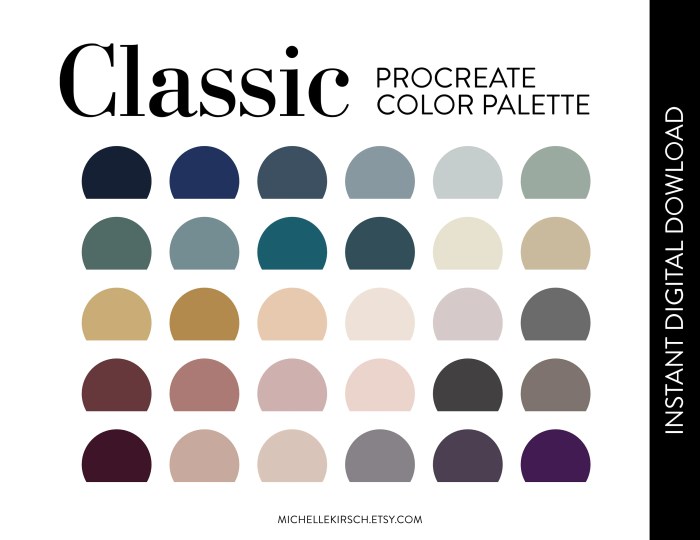
The skillful incorporation of textures and patterns is crucial in elevating an elegant color scheme from simply pleasing to truly captivating. These elements add depth, visual interest, and a personalized touch, transforming a space from generic to uniquely expressive. By carefully considering the interplay of texture and pattern with color, one can create a sophisticated and harmonious atmosphere.The key to successful implementation lies in balance and intentionality.
Too much pattern can overwhelm, while a lack of texture can leave a room feeling flat. The goal is to create a layered effect, where different textures and patterns complement each other and the overall color palette, creating a visually rich but cohesive environment.
Texture and Pattern Selection for Elegant Spaces
Choosing appropriate textures and patterns depends heavily on the desired mood and the room’s function. Subtle patterns and luxurious textures often create a more formal and refined atmosphere, while bolder patterns and varied textures can lend a more vibrant and eclectic feel. Understanding this relationship is fundamental to achieving the intended aesthetic. Consider the weight and scale of patterns—smaller, more delicate patterns are suitable for smaller spaces or areas requiring a sense of refinement, whereas larger, bolder patterns can anchor a larger room and make a strong statement.
Similarly, plush velvet adds a sense of opulence, while crisp linen offers a cleaner, more modern feel.
Room Vignette Examples
- Living Room: Serene Neutrals
Color Scheme: Soft greys, creams, and muted gold accents.
Textures: Plush velvet sofa, boucle throw pillows, linen curtains, a wool rug.
Patterns: Subtle damask pattern on the curtains, a geometric pattern on the throw pillows, a textured, nubby rug. This combination creates a sophisticated and calming atmosphere, with the textures adding depth and warmth to the neutral color palette.The patterns are subtle enough not to be overwhelming, adding visual interest without distracting from the overall serenity.
- Dining Room: Rich Jewel Tones
Color Scheme: Deep emerald green, sapphire blue, and gold accents.
Textures: Leather dining chairs, silk placemats, a linen tablecloth, a polished wood table.
Patterns: A subtly patterned wallpaper with a repeating leaf motif, solid-colored placemats with a slight sheen, a textured linen tablecloth. This vignette utilizes rich textures to enhance the luxurious jewel tones. The leaf motif on the wallpaper adds a touch of elegance without being overly busy, while the varied textures provide visual interest and tactile appeal. - Bedroom: Soft Pastels and Florals
Color Scheme: Pale blush pink, soft lavender, and creamy white.
Textures: Linen bedding, a faux fur throw, a cotton rug, a velvet headboard.
Patterns: A delicate floral pattern on the bedding, a subtle stripe on the curtains, a textured rug. The soft pastel color palette is enhanced by the mix of textures, creating a calming and inviting atmosphere. The floral pattern adds a touch of romance without overwhelming the space, and the other patterns complement it seamlessly.
The Role of Lighting in Elegant Design
Lighting is paramount in achieving an elegant aesthetic within a home. It’s not simply about illuminating a space; it’s about sculpting the atmosphere, enhancing the chosen color palette, and creating a sense of refined luxury. The interplay of light and color dramatically impacts the perceived mood and sophistication of a room. A poorly lit space, regardless of its color scheme, will always feel less elegant than a well-lit one.Lighting choices significantly influence the perception of color and overall elegance.
Warm lighting, for instance, can deepen rich jewel tones like emerald green or sapphire blue, creating a sense of intimacy and opulence. Conversely, cooler lighting can brighten and enhance lighter, pastel shades, fostering a feeling of airy spaciousness. The intensity of the light also matters; a soft, diffused glow lends a sophisticated air, while harsh, direct light can appear jarring and detract from the overall elegance.
Lighting Fixtures and Techniques for Elegant Spaces
The selection of lighting fixtures is crucial in establishing an elegant ambiance. Consider incorporating statement pieces such as a stunning crystal chandelier in a dining room, or a series of delicately designed sconces flanking a fireplace. These fixtures not only provide illumination but also serve as decorative focal points, contributing to the overall aesthetic. Subtle, integrated lighting, like recessed downlights or LED strip lighting, can be used to create a more understated yet equally effective elegant feel.
The choice of materials, such as polished brass, brushed nickel, or hand-blown glass, can further enhance the luxurious feel. For example, a pair of antique-style brass sconces flanking a large mirror in a powder room would immediately elevate the space’s elegance.
Impact of Different Lighting Scenarios on Color Palettes
Natural light, ambient light, and accent light each play distinct roles in showcasing a color palette effectively. Natural light, when available, should be maximized. It provides a dynamic and ever-changing illumination, revealing subtle nuances in color and texture. However, it’s essential to manage direct sunlight, which can wash out certain colors or create harsh shadows. Sheer curtains or blinds can help diffuse harsh sunlight while still allowing ample natural light to enter.Ambient lighting provides the overall illumination of a room.
Using dimmable LED lights allows for control over the intensity, creating a warm and inviting atmosphere. This is particularly important for showcasing darker, more dramatic color schemes. Accent lighting, on the other hand, focuses on highlighting specific features, such as artwork, architectural details, or a striking piece of furniture. Strategic placement of accent lighting can draw the eye to particular elements, adding depth and visual interest to the space.
For example, using track lighting to highlight a collection of antique porcelain vases in a living room would create a sophisticated and visually compelling display.
Balcony Decor, Accent Pieces, Cozy, Elegant & Functional Decor
Transforming a balcony into a stylish and functional extension of your home requires careful consideration of color palettes, furniture selection, and the strategic placement of accent pieces. A well-designed balcony offers a private retreat where relaxation and aesthetic appeal seamlessly blend.
Three Distinct Balcony Decor Styles
Creating an elegant balcony space involves choosing a style that complements your home’s overall aesthetic. Three distinct approaches offer diverse options for achieving an elegant ambiance.
- Mediterranean Elegance: This style emphasizes terracotta pots overflowing with herbs and vibrant flowers like bougainvillea and lavender. Wrought-iron furniture, painted in a muted white or pale yellow, provides a classic touch. String lights draped across the ceiling create a warm, inviting glow at night. The color scheme revolves around sun-drenched yellows, terracotta oranges, and deep blues, echoing the colors of the Mediterranean landscape.
A small, intricately designed fountain adds a soothing auditory element.
- Modern Minimalist Balcony: Clean lines and a neutral color palette are key to this style. Sleek, modern furniture made from materials like aluminum or wicker in charcoal gray or white provides seating. Potted plants, such as succulents or bamboo, add a touch of greenery without overwhelming the space. Integrated LED lighting subtly illuminates the area, creating a sophisticated and calming atmosphere.
The color scheme is limited to a few carefully chosen neutrals, such as white, gray, and black, with one or two pops of color from carefully selected accent pieces.
- Romantic Parisian Balcony: This style evokes a sense of old-world charm. Wrought-iron furniture, perhaps a bistro set, is painted in a delicate pastel shade, like blush pink or soft green. Trailing ivy and flowering vines cascade from hanging planters, adding a touch of romance. Candles in elegant holders and soft, ambient lighting create a warm, intimate atmosphere. The color scheme features soft pastels, delicate floral patterns, and hints of gold or silver for a touch of luxury.
A small, ornate mirror reflects the light and expands the visual space.
Examples of Elegant Accent Pieces
Accent pieces are crucial in elevating the overall elegance of a balcony and home. The choice of material and style significantly impacts the final aesthetic.
- Metal Accent Pieces: Ornate wrought-iron candle holders, a polished brass planter, or a sleek stainless steel side table can add sophistication and visual interest. These pieces work well in Mediterranean and Parisian styles.
- Textile Accent Pieces: Luxurious outdoor cushions in velvet or linen, a patterned throw blanket, or an intricately woven rug can add comfort and visual texture. These pieces are suitable for all three styles, offering opportunities to incorporate color and pattern.
- Ceramic Accent Pieces: Decorative ceramic pots, hand-painted vases, or a unique sculpture can inject personality and artistry into the space. These are particularly well-suited to the Mediterranean and Romantic Parisian styles.
Creating a Cozy Balcony Atmosphere
A cozy balcony is achieved through a combination of color, texture, and lighting.Warm, inviting colors such as soft yellows, creams, and muted oranges create a sense of comfort. Textured materials like woven fabrics, plush cushions, and natural wood add depth and visual interest. Soft, diffused lighting, achieved through string lights, lanterns, or strategically placed candles, contributes significantly to the cozy ambiance.
Key Elements of Elegant Home Decor
Elegant home decor is characterized by a refined aesthetic, achieved through a thoughtful selection of high-quality materials, a cohesive color palette, and a focus on clean lines and well-proportioned spaces. Attention to detail is paramount, with every element carefully considered to create a harmonious and visually appealing environment. A sense of understated luxury, rather than overt opulence, is often the hallmark of elegant design.
Creating Functional Decor
Functionality doesn’t need to compromise elegance. Built-in storage solutions, such as cleverly designed planters that double as seating, or a small, fold-away table, maximize space without sacrificing style. Multi-purpose furniture pieces, such as ottomans that can also serve as storage, are practical and aesthetically pleasing. Careful planning and the selection of versatile items are key to creating a space that is both stylish and functional.
Ultimately, achieving an elegant home interior is a harmonious blend of carefully chosen colors, complementary textures, and well-placed lighting. By understanding the principles of color psychology and incorporating practical considerations, you can create a space that is not only visually stunning but also functional and deeply personal. This guide provides a framework for your creative journey, empowering you to design a home that reflects your unique sense of style and elegance.
Essential Questionnaire
What are some budget-friendly ways to incorporate elegant color schemes?
Repainting walls is a cost-effective way to transform a room. Using affordable textiles like linen or cotton for curtains and throws adds texture without breaking the bank. Accessorizing with thrifted or repurposed items can also enhance elegance on a budget.
How do I choose colors that complement my existing furniture?
Identify the dominant colors in your furniture and choose complementary shades or analogous colors (those next to each other on the color wheel) for the walls and accents. A neutral backdrop often works well, allowing your furniture to take center stage.
How can I make a small space feel more elegant?
Light, airy colors like soft whites, pastels, or light grays can make a small space feel larger. Minimize clutter and use mirrors strategically to reflect light and create an illusion of spaciousness. Choose furniture with clean lines and avoid overly ornate pieces.