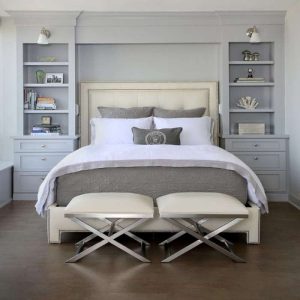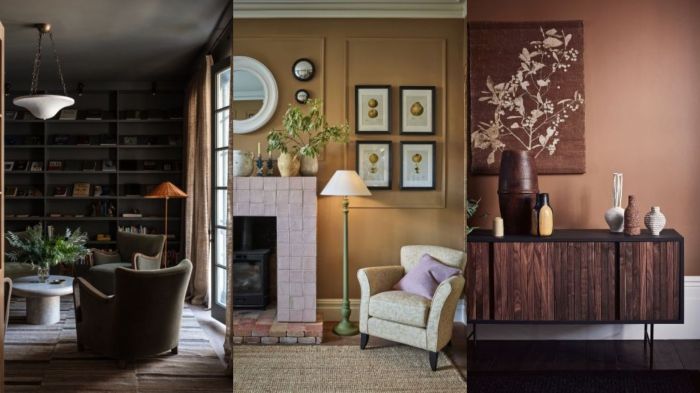
Transforming your house into a haven of comfort begins with thoughtfully chosen colors. This exploration delves into the art of creating cozy color schemes for your home, examining the psychology of color, the interplay of textures and lighting, and the practical application of various palettes across different rooms. We’ll uncover the secrets to crafting a space that radiates warmth, inviting relaxation and a sense of peaceful retreat.
From understanding the nuances of warm versus cool palettes to mastering the effective use of accent colors and incorporating natural elements, this guide provides a comprehensive roadmap for designing a truly cozy living environment. Whether you’re aiming for a rustic charm, a modern minimalist aesthetic, or a touch of bohemian flair, we’ll show you how to translate your vision into a beautifully curated space that reflects your personal style and fosters a sense of well-being.
Beyond Color
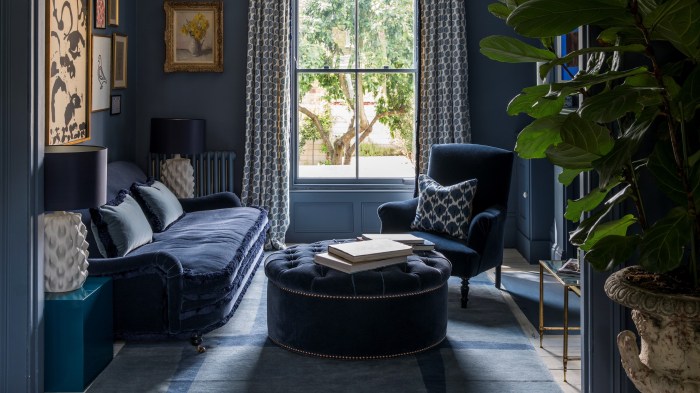
Creating a truly cozy home goes beyond simply choosing the right paint colors. A carefully considered approach to lighting, textiles, furniture, and natural elements is crucial in achieving that warm, inviting atmosphere we all crave. These design elements work synergistically with color palettes to cultivate a space that feels comfortable, relaxing, and deeply personal.
Lighting for Cozy Ambiance
Lighting plays a pivotal role in setting the mood of a room. Harsh overhead lighting can feel sterile and uninviting, while softer, layered lighting creates a warm and welcoming ambiance. Different lighting types contribute to this effect in unique ways. For example, warm-toned incandescent bulbs emit a gentle, yellowish glow ideal for creating a cozy atmosphere in living rooms and bedrooms.
Table lamps and floor lamps offer localized illumination, perfect for reading or relaxing with a drink. Recessed lighting can provide ambient light, while strategically placed accent lights can highlight artwork or architectural details. Consider using dimmer switches to adjust the intensity of your lighting and create different moods throughout the day.
Textiles and Cozy Atmosphere
The introduction of textiles is paramount in establishing a cozy environment. Rugs, throws, and cushions not only add visual interest but also contribute significantly to the tactile comfort of a space. A plush, high-pile rug underfoot instantly makes a room feel warmer and more inviting. Think of the luxurious feel of a sheepskin rug or the comforting texture of a chunky knit throw draped over a sofa.
The choice of materials is key; natural fibers like wool, cotton, and linen offer a sense of warmth and breathability, while faux fur or velvet add a touch of opulent softness. Experiment with different textures and patterns to create visual depth and interest – a mix of smooth and rough, or geometric and floral, can add to the overall cozy effect.
Furniture Choices for Coziness
Furniture selection significantly impacts the overall coziness of a room. Overly modern or minimalist furniture can sometimes feel cold and impersonal. Instead, opt for pieces that are comfortable, inviting, and visually appealing. Consider incorporating furniture with soft curves and rounded edges, rather than sharp, angular designs. A plush sofa with deep seating, for example, is far more conducive to relaxation than a stiff, minimalist armchair.
Think about incorporating armchairs with comfortable cushioning and built-in ottomans for extra leg support. The use of upholstered furniture in warm, inviting fabrics further enhances the cozy feel. A wooden coffee table, perhaps with a distressed finish, can also add to the rustic charm of a cozy space.
Natural Elements and Coziness
Incorporating natural elements is a simple yet effective way to enhance the coziness of a home. The warmth and texture of wood, for instance, immediately create a sense of comfort and grounding. Wooden floors, shelving units, or even just a simple wooden tray on a coffee table can add to this effect. Similarly, the introduction of plants brings life and vibrancy to a space, softening hard lines and adding a touch of the outdoors in.
Consider incorporating a variety of plants, from trailing pothos to leafy ferns, to create a lush and inviting atmosphere. The presence of natural materials like stone or bamboo can also contribute to a sense of calm and serenity. A small indoor fountain, for example, can create a soothing, calming effect, adding to the overall sense of tranquility.
Style Integration
Creating a home that is both cozy, elegant, and functional requires a thoughtful blend of design elements. Each style offers unique qualities, and successfully integrating them demands careful consideration of texture, color, and the overall spatial arrangement. The key lies in finding the balance between comfort, sophistication, and practicality.
Cozy, Elegant, and Functional Decor Styles Compared
Cozy decor prioritizes comfort and warmth. Think plush textures like velvet and faux fur, soft lighting from lamps and candles, and rich, warm color palettes featuring deep blues, earthy greens, and warm creams. Examples include a living room with a fireplace, oversized armchairs draped in soft throws, and a multitude of cushions. Elegant decor, on the other hand, emphasizes sophistication and refinement.
Clean lines, luxurious materials like silk and marble, and a muted color palette of neutrals with pops of jewel tones are characteristic. A formal dining room with a crystal chandelier, a sleek marble dining table, and carefully curated artwork would be an example. Functional decor focuses on practicality and efficiency. This style utilizes multi-purpose furniture, ample storage, and a streamlined aesthetic.
A minimalist kitchen with built-in appliances, well-organized cabinetry, and a clear workspace embodies this style.
Incorporating Cozy Elements into an Elegant Design
To achieve a harmonious blend, introduce cozy elements subtly within an elegant framework. For instance, incorporate a plush velvet armchair in a neutral tone into a living room with minimalist furniture and a sophisticated color palette. The softness of the velvet adds warmth without compromising the overall elegance. Similarly, a textured throw blanket in a neutral color draped over a sleek sofa adds a touch of cozy comfort.
The use of soft lighting, such as table lamps with linen shades instead of harsh overhead lighting, contributes to a more inviting and comfortable atmosphere while maintaining a sophisticated feel. The key is to choose cozy elements that complement the elegant style rather than clashing with it.
Balancing Cozy Aesthetics with Functional Design Principles
The challenge lies in ensuring that the pursuit of coziness doesn’t sacrifice functionality. For example, while a plush rug adds warmth and comfort, selecting a rug that is easy to clean and maintain is crucial for practicality. Similarly, incorporating ample storage solutions, such as ottomans with storage or built-in shelving, helps maintain a clutter-free and functional space while still allowing for cozy elements like throws and cushions.
Multi-functional furniture pieces, such as a sofa bed or a coffee table with drawers, contribute to both coziness and efficiency. Careful planning and selection of furniture are essential to achieve this balance.
Mood Board: Cozy, Elegant, and Functional Living Room
Imagine a living room with a neutral color palette of soft greys and creams. The walls are painted a calming grey, and the floor is covered with a large, plush, light grey rug with a subtle pattern. A sleek, modern sofa in a light grey fabric is the focal point, flanked by two velvet armchairs in a deep teal.
A marble-topped coffee table with built-in drawers provides both a stylish surface and storage space. Soft lighting comes from a combination of a statement chandelier and table lamps with linen shades. A fireplace adds warmth and visual interest, and the room is accessorized with carefully chosen artwork and decorative objects. The overall feel is one of sophisticated comfort and relaxed elegance, where functionality is seamlessly integrated into the design.
The plush textures of the rug and armchairs offer comfort, the marble and clean lines maintain the elegance, and the built-in storage ensures functionality.
Ultimately, creating a cozy home is about more than just choosing the right colors; it’s about curating an atmosphere that nurtures your soul. By thoughtfully combining color palettes, textures, lighting, and carefully selected furnishings, you can transform your living spaces into sanctuaries of comfort and tranquility. Remember, the most successful cozy schemes are those that authentically reflect your personal style and create an environment where you feel truly at ease.
Commonly Asked Questions
What are some budget-friendly ways to add coziness with color?
Repainting accent walls, using throw pillows and blankets in cozy colors, and adding colorful artwork are cost-effective ways to introduce cozy color schemes.
How can I make a small space feel cozier with color?
Light and airy colors like soft whites, pastels, and light greys can make a small space feel larger and brighter, contributing to a cozy atmosphere. Avoid dark, heavy colors.
Can I mix warm and cool colors in a cozy scheme?
Absolutely! Mixing warm and cool colors can create depth and visual interest. Consider using a warm base and incorporating cool accents, or vice versa, to balance the effect.
How do I choose the right lighting to complement my cozy color scheme?
Warm-toned lighting (e.g., incandescent or warm-white LED) enhances coziness. Layer lighting with ambient, task, and accent lighting for a versatile and comfortable atmosphere.