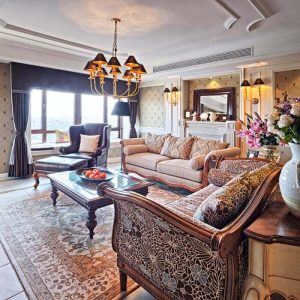
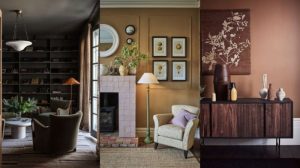
Transforming a small space into an elegant haven requires thoughtful planning and a keen eye for detail. This guide explores the art of maximizing both style and functionality in compact living areas. We’ll delve into space-saving furniture, strategic lighting techniques, and the power of carefully chosen accent pieces to create a sophisticated atmosphere, regardless of square footage. Discover how to seamlessly blend different decor styles, incorporating elements of minimalism, Scandinavian design, or modern aesthetics to achieve a truly unique and personalized space.
From clever storage solutions and multifunctional furniture to the strategic use of mirrors and lighting, we’ll uncover the secrets to creating an illusion of spaciousness and enhancing the overall elegance. We’ll also explore how to extend your living space by creatively decorating a balcony, turning it into an elegant extension of your interior design.
Defining “Elegant Decor for Small Spaces”
Elegant decor in a small space is about creating a sophisticated and visually appealing environment without feeling cramped or cluttered. It’s a delicate balance of maximizing space, utilizing light effectively, and choosing design elements that enhance the room’s size and character rather than detract from it. Functionality is key; every piece should serve a purpose, contributing to both beauty and practicality.Elegant small-space design prioritizes a sense of calm and refined simplicity.
It avoids overwhelming the space with too many items or overly bold patterns. Instead, it focuses on carefully curated pieces that create a cohesive and luxurious atmosphere. The goal is to make the small space feel larger and more inviting than its square footage might suggest.
Color Palettes for Elegant Small Spaces
The color choices significantly impact the perception of space. Light and airy palettes, such as soft neutrals (off-white, beige, light gray), pastels (powder blue, blush pink, lavender), or monochromatic schemes (variations of a single color) are ideal for creating a sense of spaciousness and serenity. These palettes provide a clean backdrop that allows carefully chosen accent pieces to stand out.
Darker colors can be used sparingly as accents on smaller items, such as throw pillows or artwork, to add depth and visual interest without overwhelming the room. For example, a room painted in a soft gray could incorporate navy blue accents for a sophisticated touch.
Materials and Textures in Elegant Small-Space Design
The choice of materials and textures contributes significantly to the overall elegance. High-quality materials, even in smaller quantities, elevate the look of a room. Think luxurious fabrics like velvet, linen, or silk for upholstery and curtains. Natural materials like wood, stone, and rattan add warmth and texture without appearing heavy. Metallic accents, such as brushed gold or polished nickel, can add a touch of glamour.
A mix of textures, such as a plush velvet sofa paired with a smooth marble coffee table, adds visual interest and depth. Avoid overly busy patterns or textures that might visually shrink the space.
Maximizing Space and Light in Elegant Small-Space Design
Maximizing both space and light is crucial for creating an elegant small space. Clever storage solutions, such as built-in shelving, ottomans with storage, and vertical shelving units, help keep the space organized and clutter-free. Mirrors strategically placed can create the illusion of more space by reflecting light and visually expanding the room. Adequate lighting is essential; a combination of ambient, task, and accent lighting creates a warm and inviting atmosphere.
Natural light should be maximized by keeping windows unobstructed and using sheer curtains to allow light to filter through while maintaining privacy. Consider light-colored flooring to reflect light and make the space appear larger. For example, a small living room with white walls and light wood floors, complemented by strategically placed mirrors, will feel considerably more spacious than a similarly sized room with dark walls and heavy furniture.
Space-Saving Furniture and Storage Solutions
Creating an elegant atmosphere in a small space requires careful consideration of furniture and storage. The key is to maximize functionality while maintaining a sophisticated aesthetic. Selecting pieces that are both visually appealing and space-efficient is crucial for achieving a balanced and stylish interior. This involves a strategic approach to furniture selection and the incorporation of clever storage solutions.
Space-Saving Furniture for Small Spaces
Choosing the right furniture is paramount in small spaces. The following table showcases furniture pieces designed for both functionality and elegance:
| Furniture Piece | Description | Space-Saving Features | Elegant Considerations |
|---|---|---|---|
| Sofa Bed | A sofa that converts into a bed. | Doubles as seating and sleeping space. | Choose a sofa bed with sleek lines and high-quality upholstery for a sophisticated look. Consider neutral colors that complement other elements in the room. |
| Nesting Tables | A set of tables that fit inside each other. | Can be easily stored away when not needed, freeing up floor space. | Opt for tables made from elegant materials such as glass or polished wood, with simple, refined designs. |
| Ottoman with Storage | An ottoman with a built-in compartment for storage. | Provides extra seating and hidden storage for blankets, books, or other items. | Choose an ottoman with a luxurious fabric or leather covering, and consider a tufted design for added elegance. |
| Wall-Mounted Shelves | Shelves attached to the wall. | Maximize vertical space and keep items off the floor. | Choose shelves made from high-quality materials like wood or metal, with a clean and simple design. Consider adding decorative elements like books or plants to the shelves. |
Built-in Storage Solution for Enhanced Elegance
A built-in storage solution, such as a custom-designed wardrobe or shelving unit, can significantly enhance the elegance of a small room. Imagine a floor-to-ceiling unit crafted from rich walnut wood with a matte finish. The doors could be sleek, minimalist designs with integrated, brushed-nickel handles. Internally, the unit could feature adjustable shelves, drawers with soft-close mechanisms, and a dedicated section for shoes.
Subtle LED lighting integrated into the shelves would add a touch of modern sophistication and highlight stored items. The unit would be seamlessly integrated into the wall, creating a cohesive and refined look, maximizing storage while minimizing visual clutter.
Multifunctional Furniture in Small Spaces
Multifunctional furniture offers significant advantages in small spaces, primarily by combining the functions of multiple pieces into one. This reduces clutter and maximizes space utilization. For example, a sofa bed provides both seating and sleeping space, eliminating the need for a separate bed. However, a disadvantage is that multifunctional furniture may compromise on individual functionality compared to dedicated pieces.
A sofa bed, while convenient, may not be as comfortable as a dedicated sofa or bed. Careful consideration of the trade-offs is crucial. Another example is a coffee table with drawers, offering both a surface and storage, but the storage space might be limited compared to a dedicated chest of drawers.
Accent Pieces and Decor for Small Spaces
Choosing the right accent pieces is crucial for elevating the elegance of a small space. Overwhelming a small room with too many items can easily make it feel cramped, so careful selection is key. The following suggestions focus on pieces that maximize visual impact while minimizing physical footprint.
Five Elegant Accent Pieces for Small Spaces
The impact of a few well-chosen accent pieces in a small room far surpasses that of numerous smaller, less impactful items. Consider these options for maximizing visual interest and creating a sense of sophisticated style.
- A statement mirror: A large, ornately framed mirror, strategically placed, can dramatically expand the perceived size of a room while reflecting light to brighten the space. Consider an antique-style mirror with a gilded frame for a touch of classic elegance, or a modern, geometric-shaped mirror with a sleek, minimalist frame for a contemporary feel. Placement should be on a wall opposite a window to maximize light reflection.
- A sculptural lamp: A unique lamp, rather than a standard table lamp, adds a three-dimensional element to the room. Look for a lamp with an interesting base, perhaps made of marble, ceramic, or metal, with a shade in a complementary color or texture. Position it on a side table or console, allowing the sculpture to be admired from various angles.
- A small, high-quality piece of art: Instead of numerous smaller prints, opt for one striking piece of art that commands attention. This could be a painting, a photograph, or even a tapestry. The art should complement the room’s color palette and overall style. Hang it at eye level, ensuring it’s properly lit to showcase its details.
- An elegant tray: A decorative tray, perhaps made of silver, brass, or lacquered wood, can be used to organize small items on a coffee table or side table, preventing clutter while adding a touch of sophistication. Choose a tray with an interesting design or texture, and use it to display a few carefully selected objects, such as candles, a small plant, or a book.
- A luxurious throw blanket: A plush throw blanket, draped artfully over a sofa or armchair, adds a touch of warmth and texture to the room. Choose a high-quality fabric like cashmere, velvet, or silk in a rich color or interesting pattern. The blanket’s texture and color can subtly enhance the overall elegance of the space.
Mood Board: Incorporating Metallic Accents
This mood board envisions a small living room incorporating elegant gold metallic accents. The walls are painted a soft, neutral gray, providing a calming backdrop. A large, gold-framed mirror hangs above a console table, visually expanding the space. The console table itself is a sleek, dark wood piece, contrasting beautifully with the gold mirror. On the console, a gold-toned decorative bowl holds a few carefully chosen items: a small, white succulent, a stack of elegantly bound books, and a gold-colored candle.
The sofa is upholstered in a luxurious, deep teal velvet, a color that complements both the gold and gray. Gold-legged side chairs flank the sofa, adding another layer of metallic sophistication. Finally, a single, large gold-leafed artwork hangs above the sofa, drawing the eye upward and adding a focal point to the room. The overall effect is one of understated luxury and sophisticated simplicity.
Mirrors versus Artwork: Creating the Illusion of Space
Mirrors and artwork both serve to enhance the elegance of a small room, but they achieve this in slightly different ways. Mirrors directly increase the perceived size of a room by reflecting light and creating a sense of depth. Artwork, on the other hand, adds visual interest and personality, drawing the eye and creating a focal point. While a strategically placed mirror can make a room feel larger, a well-chosen piece of art can add a sense of sophistication and style that a mirror alone cannot.
Ideally, a combination of both – a large mirror to maximize space and a few carefully selected pieces of artwork to add personality – creates the most elegant and spacious feel.
Lighting and its Impact on Elegant Decor
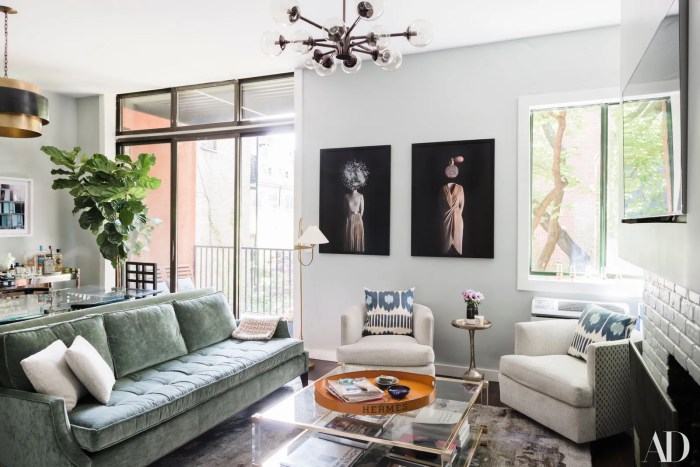
Lighting plays a crucial role in shaping the atmosphere of any space, but its importance is amplified in smaller rooms where the impact of light on perception is even more pronounced. Careful consideration of lighting design can dramatically enhance the elegance of a small space, transforming it from cramped to sophisticated. The right lighting scheme can visually expand the room, highlight architectural details, and create a warm and inviting ambiance.Lighting is not a single entity; rather, it’s a carefully orchestrated combination of different lighting types working in harmony.
Ambient, task, and accent lighting each serve a distinct purpose, and their skillful integration is key to achieving an elegant effect. Ambient lighting provides overall illumination, task lighting focuses light on specific areas for activities, and accent lighting highlights particular features or artwork, adding depth and visual interest.
Ambient Lighting for Small Living Rooms
Ambient lighting sets the overall mood and brightness of a room. For an elegant small living room, consider a combination of sources to avoid harsh, single-source illumination. A recessed lighting system with dimmable LED downlights provides even, soft illumination across the ceiling, preventing dark corners. These should be positioned strategically to avoid creating glare on reflective surfaces. Supplementing this with a statement chandelier, perhaps a minimalist design in brushed nickel or a crystal design depending on the overall style, adds a touch of sophistication and a focal point to the room.
The chandelier’s intensity should be adjustable to allow for mood setting.
Task Lighting for Small Living Rooms
Task lighting addresses functional needs, providing focused illumination for reading, working, or other activities. In a small living room, floor lamps are a space-saving option. A slender, arched floor lamp with a linen shade placed beside a comfortable armchair creates a cozy reading nook. The lamp should have a flexible arm for adjustable light direction. For a desk or work area, a sleek table lamp with a clean, geometric base and a soft white shade would be both functional and aesthetically pleasing.
Ensure the light color temperature is suitable for the task; warmer tones are generally preferred for relaxation.
Accent Lighting for Small Living Rooms
Accent lighting is used to highlight specific features or artwork, adding depth and visual interest to the room. Picture lights, small, unobtrusive lights positioned above artwork, draw attention to cherished pieces and add a layer of gallery-style elegance. In a small space, strategically placed LED strip lights within shelving units can beautifully illuminate books or decorative objects. These lights should be subtle, enhancing the display rather than overwhelming it.
Consider using a warm white light temperature to create a welcoming glow.
Maximizing Natural Light in Small Spaces
Natural light is a powerful tool for enhancing the elegance and spaciousness of a small room. Maximizing natural light intake is crucial. Light-colored walls and furnishings reflect light, making the space feel larger and brighter. Sheer curtains or blinds allow natural light to filter in while maintaining privacy. Mirrors strategically placed opposite windows can effectively double the amount of natural light in a room, creating a sense of depth and openness.
Removing bulky curtains or heavy window treatments can significantly improve the amount of light entering the room. Positioning furniture to avoid blocking windows is also essential to maximizing natural light’s effect.
Balcony Decor as an Extension of Interior Design
Extending the elegance of your interior design to your balcony seamlessly creates a cohesive and inviting living space. A well-designed balcony can offer a tranquil retreat or a stylish extension of your home’s aesthetic, enhancing both functionality and beauty. Careful consideration of furniture, plants, lighting, and other decorative elements is crucial to achieving this harmonious blend.A thoughtfully planned balcony decor scheme complements the interior design, creating a fluid transition between indoor and outdoor spaces.
This approach avoids jarring visual discontinuities and fosters a sense of spaciousness. The overall style should reflect the interior’s aesthetic, whether it’s minimalist, traditional, or modern.
Balcony Furniture Selection and Arrangement
Choosing furniture for a small balcony requires careful consideration of both style and functionality. Opt for pieces that are both aesthetically pleasing and space-saving. A small bistro set with wrought iron chairs and a glass-topped table, for instance, offers elegance and practicality. Alternatively, a single, comfortable armchair with a small side table can create a cozy reading nook.
Consider using foldable furniture for maximum flexibility, allowing you to easily rearrange the space or store it away when not in use. The arrangement should prioritize ease of movement and a clear flow of space. Avoid overcrowding the balcony with furniture; instead, focus on creating a functional and visually appealing layout.
Plant Selection and Placement for Balcony Gardens
The strategic use of plants can significantly enhance the beauty and ambiance of a balcony. Vertical gardening techniques, such as wall-mounted planters or hanging baskets, maximize space utilization while adding a touch of greenery. Choose plants that thrive in the available sunlight and weather conditions. Consider a mix of textures and colors, perhaps incorporating trailing plants like ivy or cascading petunias alongside upright plants like lavender or rosemary.
The choice of pots and planters should also complement the overall aesthetic; terracotta pots provide a rustic charm, while sleek, modern planters offer a contemporary feel. Proper plant care is essential to maintain their health and vibrancy, contributing to the overall elegance of the balcony space.
Lighting Design for Elegant Ambiance
Lighting plays a crucial role in creating a welcoming and elegant balcony atmosphere. String lights, lanterns, or strategically placed spotlights can transform the space into a magical retreat. Warm-toned lighting enhances the cozy ambiance, while strategically placed uplights can highlight architectural details or accentuate the beauty of plants. Consider incorporating solar-powered lighting options for sustainability and convenience. Dimmers can further enhance the control and flexibility of the lighting, allowing you to adjust the ambiance according to your preferences and the time of day.
Remember to ensure adequate safety measures are in place when using electrical lighting outdoors.
Weatherproofing and Maintenance for Balcony Decor
To ensure the longevity and elegance of your balcony decor, weatherproofing is paramount. Choose outdoor-rated furniture and fabrics that can withstand the elements. Regular cleaning and maintenance are also crucial. This includes regularly cleaning furniture, plants, and other decorative elements to prevent the accumulation of dirt and debris. Protecting furniture from harsh weather conditions, such as covering it during storms or periods of intense sun exposure, will extend its lifespan.
Regularly inspect plants for pests and diseases and address any issues promptly. By proactively addressing maintenance, you can ensure that your balcony retains its elegant appeal for years to come. For example, using UV-resistant paint on metal furniture can prevent rust and fading, maintaining the elegant look for a longer time. Similarly, using weather-resistant cushions will prevent mold and mildew, ensuring they remain comfortable and attractive.
Exploring Different Decor Styles for Small Spaces
Creating an elegant and functional small space requires careful consideration of the decor style. The right aesthetic can maximize the feeling of spaciousness and enhance the overall ambiance. Several styles lend themselves particularly well to smaller areas, offering a balance of style and practicality.
Three popular decor styles—minimalist, Scandinavian, and modern—offer distinct approaches to achieving elegance in compact living spaces. Each emphasizes different aspects of design, yet all share a commitment to clean lines and functionality, crucial for maximizing space and minimizing clutter.
Comparison of Minimalist, Scandinavian, and Modern Decor Styles for Small Spaces
Minimalist, Scandinavian, and modern styles, while distinct, share common ground in their suitability for small spaces. Minimalism prioritizes functionality and simplicity, eliminating unnecessary items. Scandinavian design emphasizes natural light, natural materials, and a sense of calm. Modern design focuses on clean lines, geometric shapes, and a sophisticated palette. However, their approaches differ in the specific elements they highlight.
Minimalism, for instance, might feature a single statement piece of furniture against a largely neutral backdrop, while Scandinavian style might incorporate several functional pieces crafted from natural wood and textiles. Modern design, on the other hand, might use bold colors in a geometric pattern on a single wall as a focal point. The key is to choose a style that aligns with your personal taste and enhances the functionality of the space.
Characteristics of Cozy, Elegant, and Functional Decor Styles
The characteristics of a successful small space design are multifaceted, encompassing coziness, elegance, and functionality. These elements aren’t mutually exclusive; rather, they complement each other to create a harmonious and inviting environment.
Understanding these defining traits allows for a more intentional and effective design process. By prioritizing these qualities, you can create a space that is both aesthetically pleasing and practical for daily living.
- Cozy: Soft textures (e.g., plush rugs, throws), warm lighting (e.g., lamps, candles), inviting color palettes (e.g., earth tones, muted pastels), comfortable seating.
- Elegant: Clean lines, high-quality materials (e.g., natural wood, marble), sophisticated color palettes (e.g., neutrals with pops of jewel tones), thoughtful placement of accent pieces.
- Functional: Maximized storage solutions (e.g., built-in shelves, multi-purpose furniture), efficient space planning (e.g., open floor plan), ergonomic furniture, decluttered surfaces.
Seamless Integration of Different Decor Styles in a Small Space
Integrating different decor styles within a single small space requires a thoughtful and cohesive approach. It’s about creating a balanced aesthetic that avoids clashing elements while celebrating the unique strengths of each style. For example, a minimalist foundation, characterized by clean lines and neutral colors, can be enhanced with Scandinavian accents like a sheepskin rug and a wooden coffee table, creating a sense of warmth and texture.
A modern touch, such as a geometric patterned throw pillow, can add a visual pop of color and interest without overwhelming the space. The key is to choose elements that complement each other, creating a unified and harmonious atmosphere. This approach allows for a personalized aesthetic that reflects individual preferences while maintaining the efficiency and elegance essential for small spaces.
Maintaining Elegance in a Functional Small Space
Maintaining elegance in a small space requires a strategic approach that prioritizes functionality without compromising style. A well-organized and thoughtfully decorated small space can feel spacious and luxurious, while a cluttered one will feel cramped and overwhelming, regardless of its aesthetic elements. The key lies in careful planning and execution, focusing on maximizing space and minimizing visual noise.
Decluttering and Organizing a Small Space
Effective decluttering is the foundation of a functional and elegant small space. A step-by-step approach ensures a thorough and efficient process. First, completely empty the space, removing everything from furniture to decorative items. This allows for a fresh perspective and a clear assessment of what truly needs to be kept. Next, categorize items into three groups: keep, donate/sell, and discard.
Be ruthless in this process; if an item hasn’t been used in a year, it likely isn’t essential. For the “keep” category, carefully consider storage solutions. Vertical storage maximizes space; utilize wall shelves, tall cabinets, and stackable containers. Finally, put everything back in its designated place, ensuring each item has a home. This organized approach prevents future clutter accumulation.
Choosing Durable and Easy-to-Clean Materials
Selecting durable and easy-to-clean materials is crucial for maintaining both the elegance and functionality of a small space. High-quality materials will withstand daily use and resist wear and tear, ensuring the longevity of your decor. Easy-to-clean materials minimize maintenance and prevent the buildup of dust and dirt, maintaining a clean and polished look. Consider fabrics like microfiber or leather for upholstery, which are both durable and easy to wipe clean.
For flooring, hardwood or tile are excellent choices, offering both durability and ease of cleaning. Similarly, surfaces like glass or lacquered wood are easy to maintain and contribute to an elegant aesthetic. Avoid materials that are prone to staining or require extensive cleaning.
Essential Items for Elegant and Functional Small Space Decoration
A curated selection of essential items is key to achieving both elegance and functionality. Overcrowding a small space will negate any attempt at creating an elegant environment. The following checklist helps ensure a balanced approach:
- Multifunctional Furniture: A sofa bed, a coffee table with storage, or a storage ottoman maximize space and functionality.
- Strategic Lighting: Layered lighting (ambient, task, and accent) creates a warm and inviting atmosphere while highlighting key features.
- Mirrors: Strategically placed mirrors create the illusion of more space and enhance the light in the room.
- Minimalist Decor: Choose a few high-quality accent pieces rather than numerous small items to avoid visual clutter.
- Quality Textiles: A luxurious throw blanket or a well-chosen rug can add warmth and texture without overwhelming the space.
- Vertical Storage Solutions: Wall shelves, tall cabinets, and vertical organizers maximize vertical space, keeping items organized and out of sight.
Ultimately, elegant decor for small spaces is about creating a harmonious balance between functionality and aesthetics. By thoughtfully selecting furniture, strategically utilizing light, and incorporating carefully chosen accent pieces, you can transform a small room into a sophisticated and inviting sanctuary. Remember, it’s not about the size of the space, but the impact of the design. Embrace the challenge of compact living and unlock the potential for a truly elegant and functional home.
Popular Questions
How can I make a small space feel more luxurious?
Incorporate high-quality materials like velvet, linen, or leather in small doses. Use metallic accents sparingly for a touch of glamour. Invest in statement lighting fixtures to elevate the ambiance.
What colors are best for small spaces?
Light and neutral colors generally make spaces feel larger, but don’t be afraid to incorporate a bold accent color on a single wall or through accessories.
How do I deal with limited storage in a small space?
Utilize vertical space with tall shelving units, under-bed storage, and ottomans with hidden compartments. Declutter regularly to maintain a sense of openness.
Can I mix different decor styles in a small space?
Absolutely! A cohesive color palette and consistent material choices can help tie together diverse styles for a unique and personalized look.