Transforming your living space doesn’t require a hefty budget or professional expertise. DIY home decor projects offer a rewarding avenue for personal expression and cost-effective home improvement. From simple accent pieces to more ambitious renovations, the possibilities are vast and cater to all skill levels. This guide explores a range of projects, providing step-by-step instructions and inspiration to help you create a home that truly reflects your style.
Whether you’re looking to add a touch of cozy charm, elegant sophistication, or practical functionality, this exploration of DIY home decor will equip you with the knowledge and confidence to embark on your next home improvement adventure. We’ll cover everything from choosing the right materials and techniques to adapting projects to suit different room styles and personal aesthetics. Get ready to unleash your creativity and personalize your home!
Introduction to DIY Home Decor Projects
Transforming your living space doesn’t require a hefty budget or professional assistance. DIY home decor projects offer a rewarding and creative outlet for personalizing your home, reflecting your unique style, and adding a touch of individuality to your surroundings. The satisfaction of creating something beautiful and functional with your own hands is unparalleled.DIY home decor offers a multitude of benefits, extending beyond mere aesthetics.
Perhaps the most significant advantage is the considerable cost savings. By creating your own decor, you bypass the often-inflated prices of commercially produced items. This allows you to achieve a high-end look without the high-end price tag. Furthermore, DIY projects enable unparalleled personalization. You can tailor your decor to perfectly match your tastes, preferences, and the specific needs of your space, resulting in a truly unique and customized environment.
This level of personalization is impossible to achieve with mass-produced items.
Types of DIY Home Decor Projects
The realm of DIY home decor encompasses a vast array of possibilities, catering to diverse skill levels and interests. From simple, quick projects to more complex undertakings, there’s a DIY project to suit everyone. The projects range in complexity and required materials, offering flexibility for both beginners and experienced crafters.
Simple DIY Projects
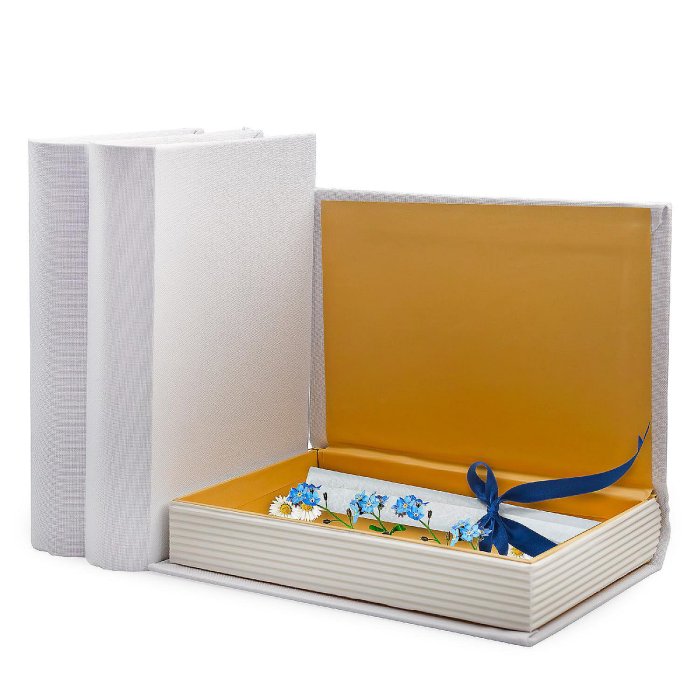
Simple projects are ideal for beginners and those looking for quick and easy ways to refresh their homes. These projects often require minimal tools and materials and can be completed in a short amount of time. Examples include creating a gallery wall using thrifted frames and family photos, painting existing furniture with a fresh coat of paint to revitalize its appearance, or making simple fabric-covered storage boxes from cardboard.
These small changes can have a big impact on the overall look and feel of a room.
Intermediate DIY Projects
Intermediate projects require a bit more skill and time investment but still remain accessible to those with some DIY experience. These might include constructing a floating shelf using reclaimed wood, creating custom throw pillows by sewing together different fabrics, or building a simple headboard from repurposed pallets. These projects allow for more creative expression and customization while still remaining manageable for those with moderate DIY skills.
Advanced DIY Projects
Advanced projects are more complex and demand a higher level of skill and experience. These could involve building custom cabinetry, creating intricate mosaic tile designs, or undertaking more ambitious carpentry projects such as constructing a built-in bookshelf or a complete room makeover. These projects often require specialized tools and a greater understanding of construction techniques. While more challenging, the results are often stunning and incredibly rewarding.
Popular DIY Home Decor Projects
Embarking on DIY home decor projects can significantly enhance your living space while offering a rewarding creative outlet. The following projects are popular choices due to their accessibility and impact, requiring minimal tools and experience. They are adaptable to various styles, allowing for personalization and seamless integration into your existing home aesthetic.
Five Popular and Easily Achievable DIY Home Decor Projects
Below is a table detailing five popular DIY projects, including the necessary materials, step-by-step instructions, and estimated completion time. Remember that these are estimates, and the actual time may vary based on individual skill and project complexity.
| Project Name | Materials | Steps | Estimated Time |
|---|---|---|---|
| Mason Jar Pendant Lights | Mason jars (various sizes), LED string lights, wire, pliers, paint (optional), stencils (optional) | 1. Clean and prepare mason jars. 2. Paint or stencil jars if desired. 3. Carefully run the wire through the jar lids. 4. Securely attach the LED string lights to the wire. 5. Hang jars from the ceiling using appropriate hooks and wire. | 1-2 hours |
| DIY Throw Pillows | Fabric (various colors and patterns), sewing machine or needle and thread, pillow inserts, scissors, measuring tape, pins | 1. Measure and cut fabric according to pillow insert dimensions, adding seam allowance. 2. Pin fabric pieces together. 3. Sew the fabric pieces together, leaving an opening for inserting the pillow. 4. Turn the fabric right side out. 5. Insert the pillow insert. 6. Sew the opening closed. | 2-3 hours |
| Painted Flower Pots | Terracotta pots (various sizes), acrylic paints, paintbrushes, sealant (optional), stencils (optional) | 1. Clean the terracotta pots thoroughly. 2. Apply a base coat of paint (optional). 3. Use stencils or freehand painting to create your design. 4. Allow paint to dry completely. 5. Apply a sealant to protect the paint (optional). | 1-2 hours |
| Gallery Wall | Frames (various sizes and styles), pictures or prints, wall hooks or nails, level, measuring tape | 1. Arrange frames on the floor to create a pleasing composition. 2. Measure and mark the wall where the frames will be hung. 3. Carefully hang the frames using wall hooks or nails, ensuring they are level. | 1-3 hours (depending on the number of frames) |
| Repurposed Pallet Shelves | Wooden pallet (ensure it’s treated for indoor use), sandpaper, wood stain or paint, screws, drill, brackets or supports | 1. Disassemble the pallet carefully, removing any loose or damaged wood. 2. Sand the wood to smooth any rough edges. 3. Stain or paint the wood. 4. Attach brackets or supports to the wall. 5. Secure the pallet shelves to the brackets. | 3-4 hours |
Adapting Projects to Different Home Styles
The beauty of DIY projects lies in their adaptability. For example, mason jar pendant lights can be customized to fit various styles. Using rustic-looking jars and twine creates a farmhouse aesthetic, while sleek, metallic jars and modern LED lights suit a contemporary style. Similarly, throw pillows can be tailored to match any décor by selecting fabrics with coordinating patterns and textures.
A minimalist style might benefit from solid-colored fabrics, while a bohemian style could incorporate vibrant patterns and textures. Adapting the color palettes and materials used in each project is key to successful integration within your home’s existing style.
DIY Home Decor Projects for Specific Rooms
Transforming your home into a haven of comfort and style is achievable through creative DIY projects tailored to each room’s unique function and atmosphere. By focusing on the specific needs and aesthetic of each space, you can personalize your home and create a truly unique environment. The following sections explore project ideas for various rooms, offering practical suggestions and inspiration.
Living Room DIY Projects for a Cozy Atmosphere
Creating a welcoming and cozy living room involves thoughtful design choices that promote relaxation and social interaction. The key is to balance functionality with aesthetic appeal, using DIY projects to enhance both aspects.
A simple yet impactful project is crafting throw pillows. Using various fabrics, textures, and patterns, you can create a personalized set that complements your existing décor. Imagine plush velvet pillows in jewel tones paired with textured knit cushions in neutral shades, creating a luxurious and inviting feel. Another project involves constructing a large, chunky knit throw blanket. This adds warmth and visual interest, particularly during colder months.
The natural texture of the yarn contributes to the overall cozy ambience. Finally, building a simple floating shelf offers additional display space for books, plants, or decorative items, adding personality and visual appeal while maximizing space. The shelf’s design can be tailored to your style, from rustic wood to sleek, minimalist styles.
Bedroom DIY Projects Emphasizing Comfort and Personalization
The bedroom is a sanctuary, a space for rest and rejuvenation. DIY projects in this room should prioritize comfort and personal expression, reflecting the occupant’s unique style and preferences.
A headboard makeover is a transformative project. An old headboard can be revitalized with a fresh coat of paint, new fabric upholstery, or even decorative elements like mirrors or beading. This simple change dramatically impacts the room’s overall aesthetic. Creating a custom bedside table from reclaimed wood adds rustic charm and functionality. The process allows for personalization in size and design, catering to individual needs and style.
Finally, crafting a personalized wall hanging, such as a macrame piece or a gallery wall of framed prints, adds a personal touch and visual interest. The design should reflect the owner’s tastes, creating a unique focal point within the room.
Kitchen DIY Projects Highlighting Functionality and Style
The kitchen is the heart of the home, a space that requires both functionality and aesthetic appeal. DIY projects in this area should improve efficiency while enhancing the overall design.
Revamping cabinet hardware is a cost-effective way to update the kitchen’s look. Replacing old, outdated knobs and pulls with modern, stylish alternatives instantly elevates the space. Consider sleek metal pulls for a contemporary feel or ornate ceramic knobs for a more traditional aesthetic. Creating a custom spice rack maximizes storage space and adds a touch of organization. This project allows for creativity in design, from rustic wooden shelves to sleek metal organizers.
Finally, painting the backsplash is a relatively simple yet effective way to transform the kitchen’s look. A bold color can add a vibrant pop, while a subtle shade can create a calming and sophisticated atmosphere. Consider using a durable, water-resistant paint designed for kitchen environments.
Bathroom DIY Projects Considering Water Resistance and Aesthetics
Bathroom DIY projects must prioritize water resistance to ensure longevity and safety. However, aesthetic appeal is equally important, creating a relaxing and spa-like atmosphere.
Creating a floating shelf for toiletries is a functional and stylish addition to any bathroom. Ensure to use waterproof materials and sealants to prevent damage from moisture. This project allows for customization in size and design, optimizing space and enhancing the room’s aesthetic. Updating the shower curtain is a quick and easy way to refresh the bathroom’s look.
Choose a waterproof fabric in a pattern or color that complements the existing décor. This simple change can significantly impact the overall feel of the space. Finally, adding a decorative mirror is a simple yet effective way to enhance both functionality and style. A uniquely framed mirror can become a focal point, adding a touch of elegance and personality to the room.
Consider using waterproof sealant around the mirror frame to protect it from moisture.
Balcony Decor Accent Pieces
Transforming a balcony from a neglected space into a charming outdoor haven is achievable with carefully chosen accent pieces. These additions not only enhance the aesthetic appeal but also create a more functional and inviting atmosphere. The key is to select items that complement your existing balcony design and reflect your personal style. Consider the size and layout of your balcony when choosing decor to avoid overcrowding.
Below are five DIY balcony decor accent pieces, each detailed with material requirements and construction guidance.
DIY Balcony Decor Accent Piece Ideas
Creating unique and personalized balcony decor is surprisingly simple and affordable. The following list provides detailed instructions and material requirements for five distinct accent pieces.
- Vertical Herb Garden:
- Materials: Wooden pallets (disassembled), potting soil, herbs of your choice (basil, mint, rosemary are excellent choices), small plant pots (or repurposed containers), screws, paint (optional).
- Instructions: Disassemble the pallet and clean the wood. Paint the wood if desired. Attach small plant pots or repurposed containers to the pallet wood using screws. Fill the containers with potting soil and plant your herbs. Hang the vertical garden on a balcony wall or railing.
- Repurposed Tin Can Planters:
- Materials: Empty tin cans (cleaned and thoroughly rinsed), acrylic paint, paintbrushes, sealant, potting soil, small plants (succulents or trailing plants work well).
- Instructions: Clean and dry the tin cans. Paint the cans with your chosen colors and designs. Once dry, apply a sealant to protect the paint and prevent rust. Add drainage holes to the bottom of each can (if not already present). Fill with potting soil and plant your chosen flowers or herbs.
- String Light Lanterns:
- Materials: Glass jars (various sizes), battery-operated string lights, twine or ribbon, decorative elements (shells, beads, etc.).
- Instructions: Clean the glass jars. Place the string lights inside each jar. Wrap twine or ribbon around the neck of each jar, securing it with a knot. Add decorative elements to personalize the lanterns. Hang the lanterns from the balcony ceiling or railing.
- Pallet Wood Coasters:
- Materials: Small pieces of pallet wood (smooth and sanded), wood stain or paint, sealant, felt pads.
- Instructions: Cut the pallet wood into square or circular shapes. Sand the edges smooth. Apply wood stain or paint to the coasters. Once dry, apply a sealant for protection. Attach felt pads to the bottom of each coaster to prevent scratching.
- Upcycled Furniture:
- Materials: An old chair, small table, or stool (in good condition), sandpaper, paint or stain, protective sealant.
- Instructions: Clean and sand the furniture piece to remove any loose paint or imperfections. Apply paint or stain to give the furniture a fresh look. Once dry, apply a protective sealant. Place the upcycled furniture piece on your balcony to provide seating or a surface for plants or drinks.
Incorporating Lighting into Balcony Decor
Lighting plays a crucial role in creating ambiance and extending the usability of a balcony into the evening hours. Strategic placement of different lighting types can dramatically transform the space.
String lights, as mentioned above, provide a soft, warm glow. Consider solar-powered path lights to illuminate walkways and steps for safety and visual appeal. For a more dramatic effect, uplighting can highlight architectural features or plants. Remember to choose lighting that complements your overall balcony design and provides adequate illumination without being overly bright.
Cozy Decor DIY Projects
Creating a cozy atmosphere in your home involves thoughtful consideration of textures, colors, and the overall ambiance. These DIY projects offer various ways to infuse warmth and comfort into your living spaces, catering to different skill levels. Each project emphasizes the role of texture and color in achieving a cozy feel.
Beginner: DIY Knitted Throw Blanket
This project is perfect for beginners and offers a significant impact on coziness. The act of knitting itself is inherently calming, and the finished product adds both visual and tactile warmth to any room. Choose chunky yarn in soft, muted colors like cream, beige, or a gentle grey for maximum coziness. The thick texture of the chunky yarn provides a comforting visual and physical experience.
A simple garter stitch pattern is easy to learn and results in a beautifully textured blanket. The color palette should be selected to complement existing furniture and wall colors, enhancing the overall harmony of the space. For instance, a cream-colored throw blanket would pair well with a beige sofa and wooden furniture, creating a unified, relaxing atmosphere.
Intermediate: Macrame Wall Hanging
Macrame wall hangings add a unique textural element to a room, creating a sense of relaxed sophistication. This intermediate project requires some basic knotting skills, but the results are well worth the effort. Natural fibers like cotton or jute in earthy tones like browns, creams, or muted greens contribute to a cozy, natural feel. The intricate knotting creates a visually interesting texture, adding depth and dimension to the wall.
The color choices should align with the overall color scheme of the room. A wall hanging in natural tones would complement a space with wooden furniture and neutral-colored walls, while a wall hanging with pops of color could add a touch of vibrancy to a more neutral space. The varying thicknesses of the cords and the interplay of light and shadow through the knots further enhance the cozy ambiance.
Intermediate: DIY Tufted Headboard
Transforming a plain headboard into a tufted masterpiece significantly elevates the coziness of a bedroom. This project requires some upholstery skills, but the result is a stunning and comfortable focal point. Choose a fabric with a plush texture, such as velvet or corduroy, in a rich color like deep teal, burgundy, or charcoal grey. The tufted design adds visual interest and texture, creating a sense of luxurious comfort.
The color should complement the existing bedding and room décor, creating a cohesive and restful environment. A deep teal headboard would look particularly inviting paired with neutral-colored bedding and soft lighting.
Advanced: Custom-Built Bookshelf with Built-in Lighting
This advanced project involves carpentry skills and electrical wiring. A custom-built bookshelf allows for personalized storage and display, adding a touch of sophistication and warmth. The use of warm-toned wood, such as cherry or walnut, contributes to a cozy atmosphere. Incorporating built-in LED lighting behind the shelves creates a soft, ambient glow that highlights books and decorative items, adding to the cozy ambiance.
The warm light from the LEDs contrasts beautifully with the dark wood, creating a dramatic yet inviting effect. This project requires precision and attention to detail, but the final product is a stunning statement piece that elevates the coziness of any room.
Advanced: Faux Fireplace Mantel
Creating a faux fireplace mantel is a challenging yet rewarding project that adds a dramatic focal point to a living room and enhances the sense of warmth and coziness. This project requires advanced woodworking and finishing skills. The use of reclaimed wood or a wood stain with a warm tone creates a rustic, cozy feel. Adding a decorative mantelpiece with candles or a small electric fireplace further enhances the cozy ambiance.
The texture of the wood and the warm glow of the fireplace create a welcoming and inviting atmosphere. The color of the wood should complement the existing furniture and wall colors, creating a cohesive and comfortable space. A dark wood mantel would contrast beautifully with lighter-colored walls, creating a visually appealing and cozy focal point.
Elegant Decor DIY Projects
Transforming ordinary items into elegant décor pieces adds a unique touch to any home. Repurposing and upcycling not only saves money but also contributes to a more sustainable lifestyle, aligning with current eco-conscious design trends. The following projects demonstrate how simple materials can be elevated to create sophisticated and stylish accents.
Elegant DIY Projects Using Repurposed Materials
These three projects showcase the potential of repurposed materials to create elegant décor. Each project offers a distinct aesthetic and can be adapted to suit various interior design styles.
- Project 1: Wine Bottle Votive Holders: Empty wine bottles, often discarded, can be transformed into beautiful votive holders. Clean and dry the bottles thoroughly. Fill the bottom with sand or small pebbles for stability. Place a tea light or small votive candle inside. The soft glow of the candlelight filtering through the glass creates a warm and inviting ambiance.
This project suits minimalist, rustic, and even modern styles, depending on the bottle’s color and shape. The subtle elegance lies in the simplicity and the unexpected use of recycled materials.
- Project 2: Fabric Scrap Wall Hanging: Gather leftover fabric scraps in coordinating colors and textures. Cut the fabric into various shapes and sizes. Arrange them on a piece of burlap or a sturdy fabric backing, overlapping them artfully. Secure the fabric pieces with fabric glue or by hand-stitching them. This creates a unique and textured wall hanging that adds a touch of bohemian elegance to a room.
The project’s versatility allows it to complement a variety of styles, from bohemian and eclectic to more traditional settings with the right color palette and fabric choices. The beauty lies in the unexpected combination of textures and colors.
- Project 3: Repurposed Book Page Flowers: Old books destined for recycling can be given a new life as decorative flowers. Cut out various shapes from the book pages, such as petals, leaves, and centers. Roll and shape the paper to create three-dimensional flower forms. Glue the pieces together and attach them to stems made from wire or twigs. Arrange the finished flowers in a vase for a unique and subtly elegant centerpiece or use them to adorn a lampshade or mirror frame.
The antique aesthetic of the book pages lends itself to vintage, shabby chic, and even modern styles with a touch of artistic flair. The delicate nature of the paper flowers provides a contrast of fragility and beauty.
Creating an Elegant Centerpiece Using Natural Elements
Natural elements offer a sophisticated and sustainable approach to centerpiece design. The key is to select elements that complement each other in terms of color, texture, and form.
To create a striking centerpiece, start by selecting a shallow, wide bowl or platter as your base. Arrange a layer of moss or other natural filler material to create a visually appealing foundation. Next, incorporate elements such as branches, pinecones, dried flowers, or seasonal fruits (such as oranges or pomegranates). Vary the heights and textures of the elements to create visual interest.
Consider adding candles for a touch of warmth and ambiance. The overall aesthetic should be balanced and harmonious, showcasing the natural beauty of the materials.
Functional Decor DIY Projects
Transforming your living space doesn’t always require purely aesthetic projects. Many DIY decor ideas blend form and function seamlessly, enhancing both the look and usability of your home. These functional pieces not only add personality but also solve practical problems, making your home more efficient and enjoyable.
Five Functional DIY Decor Projects
The following projects demonstrate how creativity can address everyday needs while simultaneously enhancing your home’s style. These examples range in complexity, offering options for various skill levels.
- DIY Floating Shelves: These are incredibly versatile. They offer extra storage space in any room, from books and plants in the living room to toiletries in the bathroom or spices in the kitchen. Aesthetically, floating shelves can be customized with various wood types, stains, and finishes to match your existing decor. A simple, minimalist design can create a clean, modern look, while a more ornate style can add a touch of rustic charm.
Compared to store-bought options, DIY shelves offer greater customization and often cost less, allowing for unique designs and sizes tailored to your specific needs and space.
- Repurposed Jar Organizers: Mason jars, glass jars, or even tin cans can be transformed into attractive and practical organizers. These can hold utensils in the kitchen, craft supplies in a workspace, or toiletries in the bathroom. Decorative touches like paint, ribbon, or labels add personality and match your existing aesthetic. The functionality lies in their ability to neatly store items, keeping counters and shelves clutter-free.
DIY jar organizers are significantly cheaper than store-bought organizers and offer a unique, personalized touch, making them a cost-effective and stylish solution.
- Upcycled Pallet Coffee Table: Old wooden pallets can be transformed into a unique and sturdy coffee table. After sanding and treating the wood, you can add casters for easy mobility and potentially stain or paint it to suit your style. This project offers substantial functionality as a coffee table, providing a surface for drinks and remotes. The aesthetic is rustic and industrial, adding a unique charm to a living room.
Compared to buying a new coffee table, using a pallet is significantly more affordable and environmentally friendly, reducing waste and promoting sustainability.
- DIY Headboard from Reclaimed Wood: A headboard adds both style and comfort to a bedroom. Reclaimed wood offers a rustic and unique look, while allowing for customization in size and design. The functionality is clear: it provides support and comfort while sleeping. Aesthetically, a reclaimed wood headboard can add a touch of vintage charm or a modern industrial feel depending on the finishing touches.
Creating your own headboard can be more affordable than purchasing a pre-made one and allows for a unique, personalized design that complements your bedroom’s overall style.
- Fabric-Covered Storage Ottomans: These combine seating and storage, perfect for a living room or bedroom. You can use sturdy cardboard boxes as the base, covered with fabric and foam padding. The functionality is dual: extra seating and hidden storage for blankets, toys, or other items. Aesthetically, you can customize the fabric and button detailing to match your existing decor, creating a cohesive and stylish look.
DIY ottomans are generally more affordable than store-bought options and allow for greater control over size, shape, and fabric choices, ensuring a perfect fit for your space and style.
Advanced DIY Techniques and Materials
Taking your DIY home decor projects to the next level involves mastering advanced techniques and carefully selecting appropriate materials. This section will explore more sophisticated painting methods, the art of stenciling and decoupage, and provide guidance on choosing durable and suitable materials for various projects. Proper surface preparation is also crucial for achieving professional-looking results and ensuring longevity.
Advanced Painting Techniques
Beyond basic brushstrokes, advanced painting techniques can dramatically elevate your DIY projects. Dry brushing, for instance, creates a textured, aged look ideal for rustic furniture or accent walls. This technique involves using a relatively dry brush with a small amount of paint to create a subtle, uneven application. Conversely, wet-on-wet blending allows for smooth color transitions and a more professional finish.
This method involves applying wet paint onto previously applied wet paint, allowing for soft blending of colors. Consider using a variety of brushes—from fine-tipped detail brushes to wider ones for larger areas—to achieve the desired effect. Experimentation with different paint types, such as chalk paint, milk paint, or acrylics, will further expand your creative possibilities. For instance, chalk paint offers a matte finish and excellent adhesion, while acrylics provide vibrant color and durability.
Stenciling and Decoupage
Stenciling involves applying paint through a cut-out design to create a repeating pattern or image. This technique requires precision and patience, but the results can be stunning. Choosing the right stencil material, such as reusable mylar or less durable paper stencils, depends on the project’s scale and intended use. To ensure clean lines, use a stencil brush with stiff bristles and apply paint in thin, even layers, lifting the stencil gently after each application.
Decoupage, on the other hand, involves adhering decorative paper or fabric to a surface, then sealing it with several layers of varnish or sealant for protection and a glossy finish. This method is perfect for updating old furniture, creating unique artwork, or adding decorative accents to various surfaces. Consider using decoupage medium specifically designed for this purpose, as it ensures proper adhesion and prevents the paper from wrinkling or bubbling.
Material Selection and Surface Preparation
The success of any DIY project hinges on choosing the right materials and adequately preparing the surface. For painting projects, consider the type of paint best suited to the surface (wood, metal, plaster, etc.) and the desired finish (matte, gloss, satin). Similarly, when selecting materials for other projects, such as crafting a decorative shelf, choose wood that is appropriately treated for indoor use and strong enough to support the intended weight.
Always check product specifications for durability, water resistance, and maintenance requirements. Before starting any project, proper surface preparation is paramount. This involves cleaning the surface thoroughly to remove dirt, grease, and loose particles. For painted surfaces, sanding may be necessary to create a smooth surface and improve paint adhesion. Applying a primer before painting will further enhance adhesion and create a uniform base for the top coat.
For wood projects, sanding down rough edges and filling any gaps or holes with wood filler are crucial steps before painting or staining. These preliminary steps ensure a professional finish and the longevity of your DIY project.
Illustrating DIY Projects
Illustrating DIY projects effectively involves showcasing the visual appeal of the finished product. A detailed description, focusing on texture, color, and overall aesthetic, is crucial for inspiring others to undertake similar projects. The following examples demonstrate this approach.
Macrame Wall Hanging
A DIY macrame wall hanging offers a unique blend of texture and visual interest. The intricate knotting creates a layered effect, with varying thicknesses and depths adding to its three-dimensionality. The texture can range from a soft, fluffy appearance using chunky cords to a more refined, delicate look with thinner threads. Color choices significantly impact the overall aesthetic. A natural, earthy palette of creams, browns, and beige creates a bohemian feel, while vibrant jewel tones add a more modern and bold statement.
The finished piece might incorporate geometric patterns or free-flowing designs, further enhancing its visual appeal. The overall aesthetic is often described as relaxed, handcrafted, and artistic, perfectly suited for adding a touch of warmth and personality to a room.
Painted Terracotta Pot
A painted terracotta pot provides a simple yet effective way to add a pop of color and personality to any space. The paint technique itself can drastically alter the final look. A simple solid color provides a clean, minimalist aesthetic. More complex techniques, such as ombre, stenciling, or freehand painting, can create intricate designs and add depth. Color choices are limitless, allowing for customization to match existing decor or create a bold contrast.
A bright, cheerful color like sunny yellow can add a sense of warmth, while a calming blue or green can evoke a sense of tranquility. The overall design can range from geometric patterns and floral motifs to abstract designs and personalized messages, reflecting individual tastes and styles. The raw, earthy texture of the terracotta provides a pleasing contrast to the smoothness of the paint, creating visual interest.
Repurposed Wooden Pallet Coffee Table
A repurposed wooden pallet coffee table showcases a rustic, industrial aesthetic. The shape is typically rectangular, reflecting the original form of the pallet, although modifications might be made to round off corners or add decorative elements. The size varies depending on the number of pallets used, but generally offers a substantial and sturdy surface. The finish significantly impacts the overall look.
A natural, untreated wood finish highlights the pallet’s rustic character, showcasing the wood grain and natural imperfections. Alternatively, a stained finish can add depth and richness, enhancing the wood’s natural beauty. A painted finish can create a more modern and colorful look, allowing for personalization and customization. The overall visual appeal lies in its blend of raw, reclaimed materials with a functional design, offering a unique and eco-friendly furniture piece.
Embarking on DIY home decor projects is more than just crafting; it’s about creating a space that resonates with your personality and enhances your well-being. By following the guidance provided, you can confidently tackle projects of varying complexity, transforming your home into a haven of comfort, style, and functionality. Remember, the most rewarding aspect of DIY is the satisfaction of creating something beautiful and unique with your own two hands.
So, gather your materials, let your creativity flow, and enjoy the journey of transforming your house into a home.
FAQ Compilation
What tools are essential for most DIY home decor projects?
Basic tools like a measuring tape, hammer, screwdriver, pliers, and a utility knife are often sufficient. More specialized tools may be needed depending on the specific project.
Where can I find affordable materials for DIY projects?
Thrift stores, flea markets, and online marketplaces are great sources for affordable and repurposable materials. Check your local hardware stores for sales and discounts as well.
How do I know if a DIY project is right for my skill level?
Start with simpler projects to build confidence and gradually work your way up to more complex ones. Read instructions carefully and don’t hesitate to seek online tutorials for guidance.
What if I make a mistake during a DIY project?
Don’t worry! Mistakes happen. Sometimes, a “mistake” can lead to a unique and unexpected result. If necessary, you can always start over or try a different approach.


