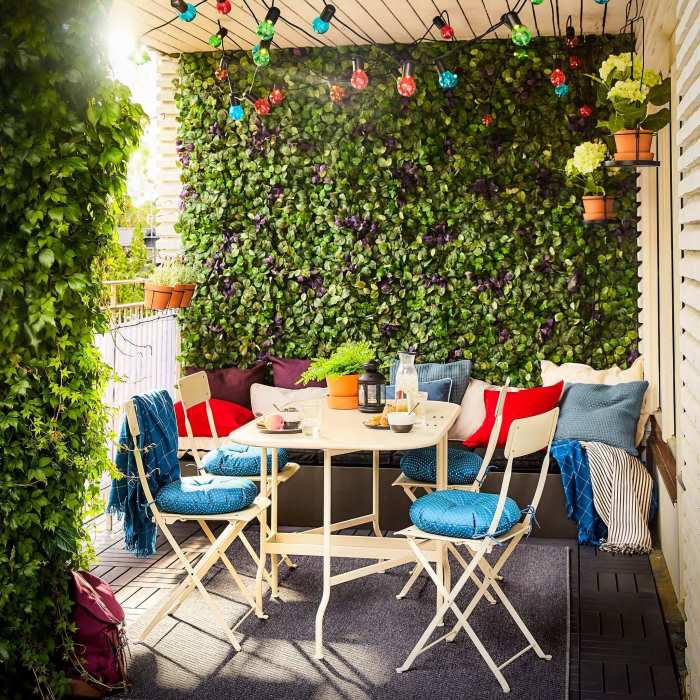
Transforming a small balcony into a vibrant and inviting garden is achievable with careful planning and design. This guide explores various balcony garden decor styles, from cozy retreats to elegant escapes and functional havens. We’ll delve into the selection of plants, materials, accent pieces, and lighting solutions that contribute to creating a unique and personalized outdoor space, regardless of your balcony’s size or orientation.
We’ll examine different design principles, offering practical advice on space optimization, plant care, and the incorporation of functional elements. Discover how to choose the perfect color palettes, materials, and furniture to match your desired aesthetic, creating a balcony garden that reflects your personal style and enhances your enjoyment of outdoor living.
Defining Balcony Garden Decor Styles
Balcony gardens, though limited in space, offer incredible opportunities for creative expression and personal style. Choosing the right decor style can significantly impact the overall look and feel of your outdoor haven, transforming it from a simple functional space into a vibrant and inviting retreat. The following explores five distinct balcony garden decor styles, each offering a unique aesthetic and practical considerations.
Five Balcony Garden Decor Styles
Balcony garden decor styles can be broadly categorized based on their aesthetic, material choices, and the overall atmosphere they create. Understanding these styles allows for a more intentional and personalized design process.
| Style | Color Palette | Materials | Plant Choices & Suitability |
|---|---|---|---|
| Mediterranean | Warm terracotta, sunny yellows, deep blues, whites | Terracotta pots, wrought iron furniture, stone accents | Lavender, rosemary, olive trees, bougainvillea. Suitable for sunny balconies with good drainage. |
| Modern Minimalist | Neutral tones (whites, grays, blacks), accented with a single bold color | Sleek planters, concrete or metal furniture, geometric shapes | Succulents, cacti, bamboo, air plants. Adaptable to various light conditions, but careful selection is crucial for smaller spaces. |
| Rustic Farmhouse | Earthy tones (browns, greens, creams), muted pastels | Wooden planters, reclaimed wood furniture, galvanized metal accents | Herbs, wildflowers, climbing vines, tomatoes. Suitable for balconies with ample sunlight and space for vertical growth. |
| Tropical Paradise | Vibrant greens, bright pinks, oranges, yellows | Wicker furniture, bamboo accents, brightly colored planters | Orchids, ferns, hibiscus, bromeliads. Requires ample sunlight and humidity; best suited for larger balconies. |
| Zen Garden | Greens, browns, natural stone colors | Stone or ceramic planters, natural wood, simple furniture | Bamboo, bonsai trees, moss, ferns. Requires careful consideration of light and watering needs; suitable for various balcony sizes. |
Mood Board Descriptions
Each style evokes a distinct atmosphere. Visualizing these through mood boards helps solidify the desired aesthetic.
Mediterranean Mood Board: The image depicts a sun-drenched balcony with terracotta pots overflowing with lavender and rosemary. Wrought iron furniture sits amidst a backdrop of a clear blue sky. The overall feeling is one of warmth, relaxation, and a classic, timeless elegance.
Modern Minimalist Mood Board: This mood board showcases a sleek, contemporary balcony with geometrically shaped planters containing succulents and cacti. Clean lines and a neutral color palette dominate, with a single pop of vibrant color from a bold-colored cushion. The feeling is one of calm, sophistication, and uncluttered simplicity.
Rustic Farmhouse Mood Board: The image features a balcony decorated with wooden planters filled with herbs and wildflowers. Reclaimed wood furniture adds a touch of rustic charm. The overall atmosphere is cozy, inviting, and reminiscent of a countryside retreat.
Tropical Paradise Mood Board: This mood board displays a lush balcony brimming with vibrant tropical plants like orchids and hibiscus. Brightly colored planters and wicker furniture complete the scene. The feeling is one of exuberance, energy, and a vibrant escape to a tropical oasis.
Zen Garden Mood Board: The image showcases a serene balcony with carefully arranged bonsai trees, moss, and other greenery in simple stone planters. Natural wood accents and a calm color palette create a peaceful and meditative atmosphere. The feeling is one of tranquility, balance, and mindful serenity.
Balcony Garden Decor Accent Pieces
Adding accent pieces to your balcony garden elevates its aesthetic appeal, transforming a simple green space into a personalized outdoor haven. These carefully chosen elements contribute significantly to the overall design, adding texture, color, and visual interest. The right accent pieces can enhance the existing theme or even introduce a completely new focal point.
Material Impact on Balcony Garden Design
The choice of material for accent pieces significantly influences the overall style and feel of your balcony garden. Metal accents, such as wrought iron or powder-coated steel, offer a sleek, modern aesthetic, while weathered wood creates a rustic charm. Ceramic pieces, including pots and decorative figurines, introduce a touch of elegance and can add pops of vibrant color. The durability and maintenance requirements of each material should also be considered, aligning with the overall practicality of your balcony garden design.
For instance, metal requires less maintenance than wood, which might need occasional sealing or staining to protect it from the elements.
Five Unique Accent Pieces for Balcony Gardens
Selecting the right accent pieces is crucial for creating a visually appealing and functional balcony garden. The following examples demonstrate the diversity and impact of well-chosen décor.
- Ornate Metal Bird Feeder: A small, intricately designed metal bird feeder (approximately 12 inches tall) can add a touch of elegance and attract local birds, bringing life and movement to the space. Placement suggestion: Hang it from a sturdy branch or hook near flowering plants to encourage bird activity.
- Rustic Wooden Planter Box: A rectangular wooden planter box (approximately 24 inches long, 12 inches wide, and 12 inches high), made from reclaimed wood, provides a rustic touch. Placement suggestion: Place it on the balcony railing or floor, adding height and visual interest to the garden.
- Ceramic Water Feature: A small ceramic fountain (approximately 10 inches in diameter) adds a calming element and a soothing sound to the balcony garden. Placement suggestion: Position it on a stable surface near the seating area, where the sound can be easily enjoyed.
- Wrought Iron Wall-Mounted Lantern: A wrought iron lantern (approximately 15 inches tall) can enhance the ambiance, especially during evening hours. Placement suggestion: Mount it on the balcony wall near the entrance or a seating area to provide soft, ambient lighting.
- Hand-Painted Ceramic Pots: A set of three hand-painted ceramic pots (varying sizes, approximately 6, 8, and 10 inches in diameter) introduces a splash of color and personality to the garden. Placement suggestion: Arrange them on a tiered stand or individually on the railing, creating a visually engaging display of plants.
Step-by-Step Guide to Incorporating Accent Pieces
Effective incorporation of accent pieces requires careful planning and consideration of several factors.
- Assess your space: Measure your balcony and identify available areas for placement of accent pieces. Consider the size and shape of each item to ensure it fits harmoniously within the existing layout.
- Define your style: Choose accent pieces that complement the overall style of your balcony garden. A modern balcony garden would benefit from sleek metal accents, while a rustic garden would be enhanced by wooden elements.
- Consider lighting: Place light-reflecting accents strategically to enhance the ambiance, especially during evenings. Lanterns or strategically placed mirrors can add depth and visual interest.
- Optimize space: Utilize vertical space by hanging planters or bird feeders. Tiered stands can help maximize space utilization for potted plants and other decorative items.
- Balance and proportion: Arrange the accent pieces to create a visually balanced composition. Avoid overcrowding the space, allowing each piece to stand out individually.
Cozy Balcony Garden Design
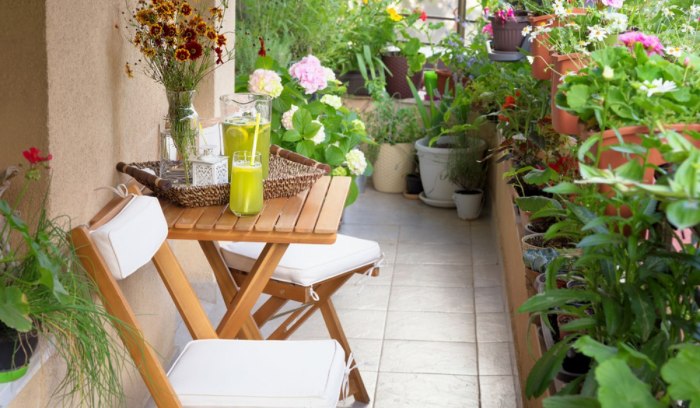
Creating a cozy balcony garden involves more than just planting flowers; it’s about crafting a personal sanctuary that evokes feelings of warmth, comfort, and tranquility. The design should prioritize intimacy and relaxation, transforming a small outdoor space into a haven for rest and rejuvenation. Careful selection of plants, furniture, and lighting are key to achieving this atmosphere.
Design Principles for a Cozy Balcony Garden
A cozy balcony garden prioritizes comfort and intimacy. This is achieved through thoughtful use of space, color palettes, and textural elements. Warm, inviting colors such as soft yellows, creams, and muted greens create a welcoming atmosphere. Natural materials like wood and wicker add texture and a sense of rustic charm. Strategically placed plants soften hard lines and add visual interest, while comfortable seating invites relaxation.
Soft, ambient lighting enhances the cozy ambiance, especially in the evening. Consider the overall feeling you wish to create; is it romantic, rustic, or modernly minimalist? This will guide your choices.
Cozy Balcony Garden Layouts
Three distinct layouts can achieve a cozy balcony garden aesthetic, each catering to different preferences and space constraints.
- Layout 1: The Romantic Retreat: This layout features a wrought-iron bistro set with cushioned seating, draped with sheer fabrics for a touch of elegance. Climbing roses or fragrant jasmine trained along the railing add a romantic touch. A small, ornate table holds a candle lantern and a vase of fragrant lavender. String lights create a soft, warm glow in the evening.
The color palette is predominantly soft pinks, whites, and greens.
- Layout 2: The Rustic Haven: This layout uses natural materials extensively. A wooden bench with plush cushions sits against the wall, flanked by large potted herbs like rosemary and thyme. A rustic wooden planter box overflowing with trailing succulents adds visual interest. Warm-toned fairy lights strung across the ceiling create a magical ambiance. The color palette focuses on earthy browns, greens, and creams.
- Layout 3: The Modern Minimalist Oasis: This layout emphasizes clean lines and simple elegance. A sleek, modern bench made of concrete or metal provides seating. Potted plants are chosen for their architectural forms and textural contrasts – think sculptural succulents or upright grasses. A single, modern pendant light provides focused illumination, while subtle uplighting highlights the plants. The color palette features neutral tones with pops of vibrant color from strategically placed plants.
Cozy Balcony Garden Scene Design
Imagine a small balcony bathed in the warm glow of the setting sun. A simple wooden bench, painted a soft sage green, sits against the wall, draped with a chunky knit throw in cream. Two large terracotta pots filled with overflowing trailing petunias in shades of purple and white flank the bench. A smaller pot of fragrant lemon verbena sits on a small side table made of reclaimed wood.
A single, antique-style lantern hangs from the railing, casting a soft, amber light. The overall effect is one of peaceful serenity and quiet intimacy, a perfect space for relaxation and contemplation. The plants provide a soft, fragrant counterpoint to the warm light and the comfortable seating.
Elegant Balcony Garden Design
Creating an elegant balcony garden involves a careful selection of plants, colors, and materials to cultivate a sophisticated and refined atmosphere. The design should reflect a sense of calm and understated luxury, prioritizing quality over quantity.
An elegant balcony garden prioritizes a cohesive aesthetic. This is achieved through a thoughtful choice of plants, a restrained color palette, and the use of high-quality materials. The overall effect should be one of understated elegance and refined simplicity, rather than overly busy or flamboyant.
Plant Selection for an Elegant Balcony Garden
The selection of plants plays a crucial role in establishing the elegant ambiance. Consider incorporating plants known for their refined foliage, delicate blooms, and graceful forms. Avoid overly bright or intensely colored flowers; instead, opt for subtle shades and textures. Examples include varieties of lavender for their calming fragrance and delicate purple hues, ferns for their lush greenery and textural interest, and trailing plants like ivy or creeping fig to add vertical interest.
Ornamental grasses, with their swaying movement, can also contribute to a sense of tranquility. Maintaining a well-groomed and neatly pruned appearance is essential to uphold the elegant aesthetic.
Color Schemes for an Elegant Balcony Garden
Elegant balcony gardens often employ muted and sophisticated color palettes. Think calming neutrals like soft whites, creams, greys, and subtle pastels. Accents of deeper jewel tones, such as deep blues, greens, or purples, can be strategically incorporated to add depth and visual interest without overwhelming the overall scheme. The color selection should complement the chosen plants and materials, creating a harmonious and refined look.
Avoid jarring color combinations or excessively bright hues.
Material Choices for an Elegant Balcony Garden
The choice of materials significantly impacts the overall elegance of the balcony garden. High-quality materials, such as wrought iron, teak, or polished concrete, contribute to a sense of sophistication. For planters, consider materials like ceramic, terracotta, or stone. These materials, while potentially more expensive than plastic alternatives, add a level of refinement and durability that enhances the overall aesthetic.
The textures and colors of the materials should complement the chosen plants and color scheme.
Elegant Furniture and Accessory Choices
The furniture and accessories selected should reflect the overall elegant design. Avoid bulky or overly casual pieces.
| Item | Description | Material | Estimated Cost |
|---|---|---|---|
| Wrought Iron Bistro Set | A classic two-seater set with intricate detailing. | Wrought iron with weather-resistant finish | $500 – $1000 |
| Teak Planter Boxes | Rectangular planters with clean lines. | Teak wood | $100 – $300 (per box) |
| Ceramic Planters | Various sizes and shapes in neutral tones. | Glazed ceramic | $20 – $80 (per planter) |
| String Lights | Warm-white LED string lights for ambient lighting. | Plastic with LED bulbs | $30 – $50 |
Design Plan for an Elegant Balcony Garden
This design plan incorporates vertical gardening and sophisticated lighting to maximize space and enhance the elegant ambiance. The design utilizes a combination of wall-mounted planters, hanging baskets, and strategically placed floor planters to create a layered and visually interesting display. Warm-white LED string lights are woven through the plants, casting a soft, ambient glow. A small, elegant bistro set provides a comfortable seating area.
The color palette focuses on muted greens, creams, and soft greys, complemented by accents of deep blue in the ceramic planters. The overall effect is a serene and sophisticated space that maximizes the limited area of the balcony.
Functional Balcony Garden Design
A functional balcony garden prioritizes practicality and ease of use, maximizing space and minimizing maintenance while still delivering aesthetic appeal. Careful planning and the selection of appropriate elements are key to creating a thriving and enjoyable outdoor space that’s both beautiful and efficient.
Key Functional Elements for Balcony Gardens
Incorporating specific elements enhances the practicality and usability of a balcony garden. These elements contribute to a more efficient and enjoyable gardening experience.
- Adequate Sunlight: The location of your balcony directly impacts plant growth. South-facing balconies generally receive the most sunlight, ideal for sun-loving plants. East- or west-facing balconies offer a balance of sun and shade, suitable for a wider variety of plants. North-facing balconies receive the least sunlight and require shade-tolerant plants or supplemental lighting.
- Efficient Watering System: A well-designed watering system prevents overwatering or underwatering. Self-watering planters, drip irrigation systems, or even strategically placed watering cans can greatly simplify maintenance and ensure consistent moisture levels. Consider the use of water-retaining soil amendments to reduce watering frequency.
- Vertical Space Optimization: Balconies often have limited floor space. Utilizing vertical space through wall-mounted planters, hanging baskets, and trellises maximizes growing area and adds visual interest. Climbing plants like tomatoes or cucumbers can thrive in these vertical systems.
- Weather Protection: Balconies are exposed to the elements. Providing protection from harsh weather conditions is crucial. This can involve using weather-resistant planters, windbreaks, or strategically positioning plants to shield them from strong winds or excessive rain. A retractable awning can also provide valuable shade and protection.
- Easy Access and Maintenance: Designing for ease of access simplifies tasks like watering, weeding, and harvesting. Choose planters that are easily accessible, and consider the height and placement of plants to prevent strain. Regular pruning and deadheading should be easily manageable.
Storage Solutions and Water Management
Efficient storage and water management are crucial for a functional balcony garden. Careful consideration of these elements streamlines maintenance and optimizes space.Storage solutions should accommodate gardening tools, fertilizers, and extra potting soil. Built-in shelving units, wall-mounted organizers, or even repurposed containers can be utilized. Water management involves selecting appropriate planters with drainage holes to prevent root rot, and implementing a watering system that delivers water efficiently and prevents runoff.
Consider using a rain barrel to collect rainwater for irrigation, reducing water consumption.
Tools and Materials for a Functional Balcony Garden
The necessary tools and materials will vary depending on the scale and complexity of your balcony garden, but a basic set will ensure successful planting and maintenance.
- Planters: Choose planters appropriate for the size and type of plants you’re growing, considering drainage and material durability.
- Potting Soil: High-quality potting soil provides essential nutrients for plant growth. Select a soil mix suitable for the specific plants you’ve chosen.
- Watering Can or Hose: A watering can or hose with a spray nozzle allows for precise watering. Consider a self-watering system for convenience.
- Gardening Gloves: Protect your hands while working with soil and plants.
- Hand Trowel and Cultivator: These tools are essential for planting, weeding, and soil cultivation.
- Pruning Shears: Keep plants healthy and well-shaped by regularly pruning.
- Fertilizers: Provide essential nutrients to support plant growth. Choose fertilizers specifically formulated for the types of plants you are growing.
Balcony Decor
Balcony gardens offer a unique opportunity to create an outdoor oasis, regardless of space constraints. The careful selection and arrangement of accent pieces, lighting, and overall design significantly impact the final ambiance and functionality of the space. This section will explore how different design approaches – cozy, elegant, and functional – utilize accent pieces and lighting to achieve distinct atmospheres.
Accent Piece Comparison in Cozy, Elegant, and Functional Balcony Gardens
The choice of accent pieces directly reflects the desired aesthetic. Cozy designs prioritize comfort and warmth, often employing plush cushions, throws, and textured materials like wicker or rattan. Elegant designs favor refined materials such as wrought iron, polished stone, and sophisticated planters. Functional designs emphasize practicality, using space-saving furniture, vertical gardening systems, and weather-resistant materials. While a cozy balcony might feature a string of fairy lights and a soft rug, an elegant balcony could incorporate a stylish water feature and ornate planters, and a functional balcony might use foldable chairs and a compact herb garden.
Lighting Techniques to Enhance Balcony Ambiance
Lighting plays a crucial role in setting the mood. Cozy designs benefit from warm, diffused lighting such as string lights or lanterns, creating a soft and inviting atmosphere. Elegant designs often incorporate strategically placed spotlights to highlight architectural features or plants, achieving a sophisticated and dramatic effect. Functional designs prioritize task lighting, such as LED strip lights under shelving or motion-sensor lights for safety and practicality.
Cozy Balcony Garden Design
A cozy balcony garden prioritizes relaxation and comfort.
- Color Palette: Warm earth tones, muted greens, and creams.
- Furniture: Comfortable wicker chairs with plush cushions, a small side table.
- Plants: Trailing ivy, flowering geraniums, and fragrant herbs like lavender.
- Accent Pieces: Woven rug, string lights, a soft throw blanket, terracotta pots.
- Lighting: Warm-toned string lights draped across the railing, a small table lamp.
Elegant Balcony Garden Design
An elegant balcony garden exudes sophistication and refinement.
- Color Palette: Monochromatic scheme, using shades of white, grey, or a single jewel tone.
- Furniture: Sleek metal chairs, a small glass-top table, perhaps a decorative fountain.
- Plants: Ornamental grasses, topiary plants, and flowering plants in uniform containers.
- Accent Pieces: Polished stone planters, wrought iron accents, a small sculpture.
- Lighting: Spotlights to highlight plants and architectural features, subtle uplighting.
Functional Balcony Garden Design
A functional balcony garden maximizes space and practicality.
- Color Palette: Neutral and light colors to reflect light and create a sense of spaciousness.
- Furniture: Foldable chairs or a small bench, vertical shelving units.
- Plants: Edible plants like tomatoes, peppers, and herbs, maximizing space with vertical gardening.
- Accent Pieces: Practical storage containers, a small herb drying rack, weather-resistant planters.
- Lighting: LED strip lights under shelving for task lighting, motion-sensor lights for safety.
Designing your balcony garden should be a fun and rewarding experience. By considering the principles of style, functionality, and personal preference, you can create a stunning and personalized outdoor space. Remember to start with a clear vision, select appropriate plants and materials, and don’t be afraid to experiment to achieve your ideal balcony oasis. The key is to create a space that is both beautiful and functional, reflecting your unique style and enhancing your enjoyment of the outdoors.
Question Bank
What is the best time of year to start a balcony garden?
The best time depends on your climate and the plants you choose. Generally, spring or early summer is ideal for most plants, allowing them to establish themselves before colder weather.
How much sunlight do balcony plants need?
This varies greatly depending on the plant. Research the specific needs of your chosen plants before planting. South-facing balconies generally receive the most sun.
What are some low-maintenance balcony plants?
Succulents, herbs, and certain types of ferns are known for being relatively low-maintenance options.
How can I protect my balcony plants from the elements?
Consider using weather-resistant materials for planters and furniture, and provide shelter from strong winds or excessive rain if necessary.


