
Transforming your living space into a haven of both style and functionality doesn’t require sacrificing one for the other. This exploration delves into the art of practical yet stylish decor, demonstrating how to seamlessly blend aesthetic appeal with everyday practicality. We’ll uncover innovative storage solutions, explore the role of color and texture, and guide you through selecting furniture that serves both form and function.
Prepare to discover how to create a home that is both beautiful and effortlessly livable.
From maximizing small spaces in balcony designs to creating cozy reading nooks and elegant dining rooms, we will provide actionable strategies and inspiring examples. Whether you’re a seasoned design enthusiast or just starting to explore interior design, this guide offers practical tips and creative ideas to help you achieve your ideal living space – one that reflects your personal style while meeting the demands of everyday life.
Defining “Practical Yet Stylish Decor”
Practical yet stylish decor represents a harmonious blend of functionality and aesthetic appeal. It prioritizes both the ease of use and the visual attractiveness of a space, rejecting the notion that practicality must compromise on style, or vice versa. This approach ensures a home that is both comfortable to live in and visually pleasing.This style is characterized by a thoughtful selection of furniture and accessories that serve a purpose while enhancing the overall design.
Practical aspects include efficient storage solutions, durable materials, and easy-to-maintain surfaces. Aesthetic elements encompass a cohesive color palette, interesting textures, and the strategic use of lighting to create ambiance. The overall effect is a space that feels both lived-in and sophisticated.
Examples of Practical Yet Stylish Rooms
The following examples illustrate how practical and stylish elements can be combined to create inviting and functional spaces.
Example 1: A Modern Living Room
Imagine a living room with a neutral color palette of warm grays and creamy whites. The furniture includes a comfortable, modular sofa in a durable fabric, allowing for flexible seating arrangements. A large, built-in shelving unit provides ample storage for books, media, and decorative objects, maintaining a clean and uncluttered look. Natural light floods the room, complemented by strategically placed floor lamps and pendant lights that create a warm and inviting ambiance.
A large, textured rug anchors the space and adds warmth underfoot. Accessories, such as carefully chosen throw pillows and a stylish coffee table book, add pops of color and visual interest without overwhelming the space.
Example 2: A Functional Kitchen
A practical yet stylish kitchen features sleek, minimalist cabinetry in a light-colored wood or matte white finish. Open shelving displays carefully curated dishware and cookbooks, adding visual interest while keeping frequently used items easily accessible. Stainless steel appliances maintain a clean, modern aesthetic, while granite or quartz countertops offer both durability and a sophisticated look. Good task lighting is essential, with under-cabinet lighting illuminating workspaces and a statement pendant light illuminating the center island.
A mix of textures, such as the smooth countertops and the warm wood of the cabinetry, adds visual interest.
Example 3: A Serene Bedroom
A practical and stylish bedroom prioritizes restful sleep and a calming atmosphere. The color palette is dominated by soft blues and greens, creating a sense of tranquility. The bed features a comfortable mattress and supportive bedding, ensuring restful sleep. Built-in wardrobes provide ample storage, keeping the room clutter-free. Soft, natural light filters through sheer curtains, complemented by bedside lamps for reading.
A plush rug adds warmth and texture to the floor. A few carefully selected accessories, such as a stylish bedside table lamp and a piece of artwork, add personality without overwhelming the space.
Practical Storage Solutions that Enhance Style
Integrating storage solutions into your home decor doesn’t mean sacrificing style for practicality. In fact, clever storage can significantly elevate the aesthetic appeal of any space. By thoughtfully choosing and strategically placing storage units, you can create a functional and visually pleasing environment. This section explores innovative storage solutions that seamlessly blend practicality and stylish design.
Innovative Storage Solutions
Several innovative storage solutions effectively combine practicality and style. Consider these five options for maximizing space while enhancing your home’s aesthetic:
- Ottoman with Hidden Storage: Imagine a plush, stylish ottoman that also serves as a spacious storage container. This piece could be upholstered in a luxurious fabric to match your existing décor, concealing a roomy interior perfect for blankets, pillows, or games. The visual appeal is that of a comfortable seating option, while the practicality lies in its hidden storage capacity.
The visual details could include tufted upholstery, elegant legs, or a subtle button detailing, depending on your preferred style.
- Modular Shelving Units: Customizable modular shelving units offer unparalleled flexibility. These units can be arranged and rearranged to fit any space and style. Imagine sleek, white cubes that can be stacked vertically or horizontally, creating a modern and minimalist look. Alternatively, you could choose wooden shelves with varied sizes and depths for a more rustic or eclectic aesthetic. The practicality comes from the adaptability, while the style is determined by the materials and configuration.
- Built-in Bench Seating with Storage: A built-in bench with storage underneath is a space-saving marvel, particularly in entryways or hallways. The bench provides seating while the storage space conceals shoes, coats, or other items. Imagine a bench crafted from reclaimed wood with a slightly distressed finish, providing a rustic charm. Alternatively, a sleek, upholstered bench in a bold color could add a pop of personality to the room.
The visual appeal is the added seating, while the practicality comes from its hidden storage.
- Ladder Shelves: Leaning ladder shelves offer a unique and visually interesting way to display books, plants, or decorative items. These shelves can be made from various materials, from rustic wood to sleek metal, allowing for stylistic customization. The practicality is in the vertical storage space they provide, and the style lies in their unconventional design, adding a touch of bohemian or industrial flair depending on the materials and finish.
- Decorative Baskets and Bins: Woven baskets or stylish storage bins are a simple yet effective way to add both practicality and aesthetic appeal. These can be used to organize items in closets, on shelves, or even as decorative accents. Imagine a set of intricately woven baskets in neutral tones, adding a touch of natural texture to a room. Alternatively, colorful, patterned bins could inject vibrancy and personality.
The visual appeal is their textural and decorative quality, while the practicality is their organizational function.
Built-in versus Freestanding Storage
Built-in storage and freestanding units each offer distinct advantages in achieving both practicality and style. Built-in units are custom-designed to perfectly fit a space, maximizing storage capacity and creating a seamless, integrated look. However, they are typically more expensive and less flexible to rearrange. Freestanding units offer greater flexibility and portability, allowing for easier rearrangement and adaptation to changing needs.
They also often come in a wider variety of styles and materials, providing greater design choices. The choice depends on individual needs, budget, and design preferences. Both options can achieve both practicality and style, but through different approaches.
Storage Solution Comparison
| Storage Solution | Practicality (1-5) | Aesthetic Appeal (1-5) | Example Style |
|---|---|---|---|
| Ottoman with Hidden Storage | 4 | 4 | Mid-century modern, traditional |
| Modular Shelving Units | 5 | 4 | Minimalist, contemporary, eclectic |
| Built-in Bench Seating | 4 | 3 | Rustic, farmhouse, modern |
| Ladder Shelves | 3 | 5 | Bohemian, industrial, farmhouse |
| Decorative Baskets/Bins | 3 | 4 | Bohemian, coastal, minimalist |
The Role of Color and Texture in Practical Stylish Decor
Color and texture are fundamental elements in creating a home environment that is both aesthetically pleasing and functionally efficient. The strategic use of color palettes and texture choices can dramatically impact the mood, feel, and practicality of a space, influencing everything from how light reflects to how easily a room can be cleaned. A well-considered approach ensures that style doesn’t compromise functionality, and vice versa.Color palettes significantly impact the perceived size and ambiance of a room.
Light, neutral colors tend to make spaces feel larger and airier, while darker shades can create a more intimate and cozy atmosphere. Texture, on the other hand, adds depth and visual interest, influencing the tactile experience of a room and contributing to its overall comfort and functionality. The interplay between color and texture is key to achieving a balanced and stylish interior.
Color and Texture Combinations for Different Room Types
Effective color and texture pairings enhance both the visual appeal and practicality of a room. In living rooms, a neutral base color like warm gray, paired with textured elements such as a chunky knit throw blanket and a woven rug, creates a relaxed and inviting atmosphere. The neutral backdrop allows for pops of color in accent pieces, such as cushions or artwork, without overwhelming the space.
In bedrooms, calming palettes of soft blues and greens, combined with the smooth texture of linen bedding and the subtle texture of a wool rug, promote relaxation and tranquility. The smooth textures contribute to a sense of calm, while the muted colors encourage restful sleep. Kitchens benefit from durable and easy-to-clean materials. A palette of creamy whites and light grays, combined with the smooth, wipeable surfaces of quartz countertops and the textured warmth of wooden cabinetry, creates a clean and inviting space that is also practical for everyday use.
The smooth surfaces facilitate easy cleaning, while the combination of colors and textures creates a sense of warmth and sophistication.
Five Color Palettes for Practical Yet Stylish Decor
Choosing the right color palette is crucial for establishing a cohesive and stylish interior. Here are five versatile palettes suitable for practical yet stylish decor, demonstrating their adaptability across various home areas:
- Warm Neutrals: Creamy whites, beige, taupe, and light browns. This palette creates a calm and inviting atmosphere in living rooms and bedrooms, while its practicality extends to kitchens and hallways due to its ability to hide dirt and maintain a sense of spaciousness. Imagine a living room with beige walls, a cream-colored sofa, and brown wooden furniture. The warmth of the palette makes the space feel cozy and welcoming.
- Cool Neutrals: Gray, silver, and white. This sophisticated palette works well in modern and minimalist spaces. The cool tones create a sense of calm and order, making it suitable for bedrooms and bathrooms. A bathroom with gray tiles, white fixtures, and silver accents would exemplify this palette’s clean and stylish aesthetic.
- Earthy Tones: Greens, browns, and beige. This palette brings the outdoors in, creating a grounding and natural feel. It’s perfect for living rooms and dining areas, creating a relaxed and welcoming environment. A dining room with green walls, brown wooden furniture, and beige linens would showcase the earthy charm of this palette.
- Coastal Blues and Whites: Shades of blue, white, and beige. This airy palette is ideal for creating a breezy, relaxed atmosphere, particularly suited to bedrooms and bathrooms located near the coast or for those who desire a coastal feel. A bedroom with light blue walls, white bedding, and beige accents creates a calm and refreshing space.
- Monochromatic Schemes: Variations of a single color. This palette can be both sophisticated and practical, creating a sense of unity and calm. Different shades and textures of a single color, such as various shades of gray in a living room, create visual interest while maintaining a cohesive look.
Incorporating Accent Pieces for Style and Functionality
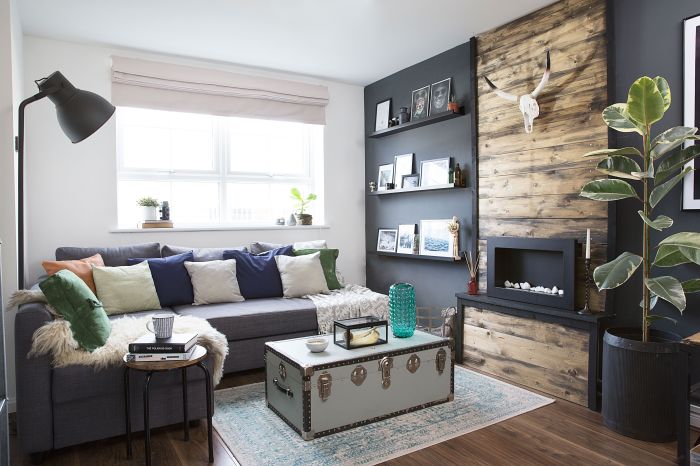
Accent pieces are the unsung heroes of interior design, possessing the power to transform a space from bland to breathtaking while simultaneously enhancing its practicality. They offer a unique opportunity to inject personality and functionality into a room, elevating both its aesthetic appeal and overall usability. By carefully selecting and strategically placing accent pieces, you can create a visually engaging environment that’s also comfortable and well-organized.Accent pieces, when chosen thoughtfully, seamlessly blend style and functionality.
They serve as the finishing touches, adding depth and character to a room’s overall design. Furthermore, these items can often serve practical purposes, improving storage, organization, or even enhancing the room’s ambiance. For example, a stylish storage ottoman provides extra seating while concealing clutter, a beautifully patterned rug defines a space and adds warmth underfoot, and strategically placed lighting not only illuminates the room but also creates a specific mood.
The key lies in selecting pieces that complement the existing décor while also fulfilling a practical need.
Accent Piece Selection for a Functional and Stylish Bedroom
A bedroom, often a sanctuary of relaxation and personal expression, benefits greatly from the strategic use of accent pieces. Consider a mood board featuring a calming, yet sophisticated bedroom design: The walls are painted a soft, muted grey, creating a serene backdrop. A plush, wool rug in a subtle geometric pattern, with shades of cream, grey, and a touch of dusty rose, anchors the space and adds warmth underfoot.
The texture of the rug is luxurious and inviting, contrasting beautifully with the smoother surfaces of the furniture. The bed is dressed in crisp white linen sheets, layered with a textured throw blanket in a deeper grey, echoing the wall color but adding visual interest through its texture. Two oversized throw pillows, one in a creamy off-white with delicate embroidery, and the other in a deep rose velvet, add pops of color and comfort.
A bedside table features a stylish table lamp with a linen shade, emitting a warm, inviting glow. The lamp’s soft light is both functional and enhances the room’s cozy ambiance. This combination of colors and textures creates a calming and stylish atmosphere, while each accent piece serves a practical purpose, enhancing the overall functionality and comfort of the bedroom.
Balcony Decor
Transforming a small balcony into a stylish and functional outdoor haven requires careful planning and creative solutions. Maximizing space while maintaining an aesthetically pleasing design is key to achieving a truly enjoyable outdoor retreat. This section will explore practical yet stylish balcony decor ideas, focusing on space-saving techniques and the creation of a cozy and inviting atmosphere.
Creative Balcony Decor Ideas
Five creative ideas can significantly enhance a small balcony’s appeal and functionality. These ideas emphasize both style and practicality, ensuring the space is both beautiful and usable.
- Foldable Furniture: Employing foldable chairs, a small foldable table, or even a wall-mounted fold-down table allows for flexible space management. When not in use, these pieces can be easily stored away, maximizing usable area. Imagine a set of sleek, powder-coated steel folding chairs tucked neatly against the wall, ready to be deployed for al fresco dining or relaxing with a book.
- Vertical Gardening: Vertical gardens are a space-saving marvel. Wall-mounted planters, hanging baskets, and vertical trellises allow for abundant greenery without sacrificing floor space. A vibrant wall of herbs, climbing flowers, or even a small vertical vegetable garden adds life and color while maximizing space.
- Multifunctional Furniture: Select furniture that serves multiple purposes. A storage bench with built-in compartments can provide seating and storage for cushions, tools, or other items. A chest doubling as a coffee table offers extra storage for books or magazines, keeping the space clutter-free.
- Mirrors to Enhance Space: Strategically placed mirrors can create the illusion of more space and enhance the light in a small balcony. A large mirror reflecting greenery or a cityscape can visually expand the area, making it feel more open and airy. A full-length mirror leaning against the wall can also serve a practical purpose.
- Outdoor Lighting: Appropriate lighting transforms the balcony’s ambiance. String lights, solar-powered lanterns, or even a stylish wall-mounted sconce create a warm and inviting atmosphere, perfect for evening relaxation. Consider warm-toned lighting to create a cozy feel.
Space-Saving Techniques for Balcony Decor
Utilizing space-saving techniques is crucial for small balconies. Vertical gardening, as previously mentioned, is a prime example. Other effective methods include using slimline furniture, opting for lightweight materials, and employing clever storage solutions such as wall-mounted shelves or under-seat storage. Careful consideration of the balcony’s dimensions and the available space is essential for selecting the appropriate furniture and decor.
Designing a Cozy Balcony Seating Area
Creating a cozy seating area involves careful selection of furniture and accessories. For a small balcony, a compact bistro set with two chairs and a small round table is ideal. The furniture should be weather-resistant and easy to maintain. Consider wrought iron or powder-coated aluminum for durability and style. Add comfortable cushions in weather-resistant fabrics for added comfort and a pop of color.
A small, weatherproof rug defines the seating area and adds warmth. Finally, a small side table can hold drinks, books, or plants, completing the cozy and functional seating arrangement. The overall aesthetic should be clean, simple, and inviting. For instance, a white bistro set with navy blue cushions and a patterned rug would create a fresh, Mediterranean feel.
Accent Pieces: Adding Personality and Function
Accent pieces are the unsung heroes of interior design, capable of transforming a space from bland to breathtaking. They offer a unique opportunity to inject personality and functionality into a room, elevating the overall aesthetic while serving practical purposes. Choosing the right accent pieces requires careful consideration of existing décor, desired ambiance, and, of course, practicality.
Accent Piece Selection and Design Scheme Harmony
Selecting accent pieces that complement the overall design scheme is crucial for a cohesive look. Consider the existing color palette, style (e.g., minimalist, bohemian, traditional), and materials used in the room. For instance, a minimalist space might benefit from a sleek, geometrically-shaped vase, while a bohemian room might embrace a handcrafted woven basket. The key is to ensure that the accent pieces enhance, rather than clash with, the existing décor.
The material of the accent pieces should also align with the overall feel – a rustic wooden tray might not suit a modern glass-and-steel kitchen, for example.
Five Accent Pieces for a Stylish and Functional Living Room
A well-curated selection of accent pieces can significantly enhance the style and functionality of a living room. The following examples demonstrate how carefully chosen items can serve both aesthetic and practical roles.
- A large, woven storage basket: This offers ample storage for blankets, throws, or magazines, keeping the living room tidy while adding a textural element to the space. Imagine a generously sized, seagrass basket positioned near a comfortable seating area, effortlessly blending practicality with a natural, bohemian aesthetic.
- A stylish coffee table tray: This serves as a convenient surface for drinks, remotes, and other essentials, preventing clutter while adding a touch of elegance. Picture a sleek, metallic tray with geometric patterns resting atop a simple coffee table, adding a sophisticated touch without overwhelming the space.
- A statement floor lamp: This provides both ambient lighting and a visually striking focal point. A tall, arched lamp with a linen shade, for instance, could create a warm and inviting atmosphere while adding architectural interest to a corner.
- Decorative throw pillows: These add comfort and visual interest to a sofa or armchair. Consider a mix of textures and patterns – a velvet cushion in a jewel tone paired with a linen cushion in a neutral color – to create depth and visual appeal.
- A sculptural plant stand: This elevates potted plants, adding visual height and interest while keeping plants organized and off the floor. A simple, yet elegant, metal stand with clean lines would complement a modern living room, while a rustic wooden stand would suit a more traditional space.
Cozy Decor
Creating a cozy and inviting home doesn’t require sacrificing practicality. A well-designed space can be both aesthetically pleasing and highly functional, offering comfort and efficiency in equal measure. The key lies in thoughtful selection of furniture, textiles, and lighting, all working together to create a warm and welcoming atmosphere.
Strategies for Creating a Cozy Atmosphere
Several key strategies contribute to a cozy yet practical living space. Prioritizing comfort and warmth without compromising functionality is achievable through careful planning and the strategic use of design elements. These strategies are not mutually exclusive; rather, they work synergistically to enhance the overall ambiance.
- Incorporate Soft Textures: Think plush rugs, soft throws, and luxurious cushions. These elements not only add visual warmth but also provide physical comfort, making the space more inviting and relaxing. A large, fluffy rug underfoot, for instance, instantly elevates the feeling of comfort in a room.
- Layer Lighting: Avoid relying solely on overhead lighting. Instead, incorporate a mix of ambient, task, and accent lighting. This layered approach creates a warmer, more intimate atmosphere, while also ensuring adequate illumination for various activities.
- Embrace Warm Color Palettes: Warm colors like creams, browns, and muted yellows create a sense of comfort and security. These colors can be used on walls, furniture, and textiles to build a cohesive and inviting atmosphere. Consider using a warm, neutral base color on the walls and then adding pops of color with accessories.
- Introduce Natural Elements: Incorporating natural materials like wood, stone, and plants brings a sense of the outdoors in, fostering a calming and relaxing environment. Wooden furniture, for example, adds a natural warmth and texture, while potted plants purify the air and add a touch of life.
- Declutter and Organize: A cluttered space feels cramped and chaotic, hindering the creation of a cozy atmosphere. Maintaining a clean and organized environment is crucial for achieving a sense of calm and relaxation. Practical storage solutions, as discussed previously, play a vital role in this aspect.
The Role of Lighting, Textiles, and Furniture in Cozy Decor
Lighting, textiles, and furniture are fundamental elements in achieving a cozy and functional space. Their interplay significantly impacts the overall atmosphere and the practicality of the room.Lighting sets the mood. Warm, soft lighting, achieved through lamps, candles, and dimmable overhead fixtures, creates a relaxing ambiance. Textiles, such as rugs, curtains, and throws, add texture and warmth, visually softening hard surfaces and enhancing comfort.
Furniture should be chosen for both its aesthetic appeal and its functionality. Comfortable seating, such as armchairs and sofas, are essential for creating a relaxing space, while strategically placed storage solutions maintain order and functionality.
Cozy Reading Nook Design
This reading nook utilizes a comfortable armchair, a floor lamp with a warm-toned shade, and a plush throw blanket.
- Furniture: A deep-seated armchair with a supportive back and soft cushioning provides comfort for extended reading sessions. Its practical benefit lies in its ergonomic design promoting relaxation and reducing strain.
- Lighting: A floor lamp with a flexible arm and a warm-toned shade allows for adjustable lighting, directing light onto the reading material while avoiding harsh glare. This adjustable feature ensures optimal lighting for reading without affecting the overall ambiance.
- Textiles: A plush throw blanket in a soft, neutral color adds warmth and texture, enhancing the comfort of the armchair. Its practical benefit is its ability to provide extra warmth during cooler months.
Elegant Decor
Elegant decor doesn’t necessitate extravagance; it’s about creating a sophisticated atmosphere that is both visually appealing and functional. This involves careful consideration of materials, color palettes, and the strategic placement of furniture and accessories. Practicality is key; an elegant space should be comfortable and easy to maintain.Achieving elegance and practicality simultaneously is about making intentional choices. It’s about prioritizing quality over quantity, selecting pieces that serve multiple purposes, and understanding how the elements within a room interact.
This approach creates a space that is both beautiful and functional, resisting the temptation of fleeting trends in favor of timeless design.
Methods for Creating Elegant and Practical Spaces
Five key strategies contribute to the creation of an elegant yet practical living environment. These methods focus on thoughtful planning and the selection of durable, stylish elements that enhance both aesthetics and functionality.
- Strategic Minimalism: Curating a collection of high-quality, versatile pieces rather than accumulating numerous items. This reduces clutter and enhances the sense of space and sophistication.
- High-Quality Materials: Investing in furniture and accessories made from durable, elegant materials such as natural wood, high-quality fabrics, and polished metals. These materials age gracefully and contribute to a feeling of luxury.
- Neutral Color Palette with Strategic Accents: A foundation of neutral colors (such as creams, grays, or beiges) provides a sense of calm and sophistication. Strategic pops of color in accent pieces add personality and visual interest without overwhelming the space.
- Thoughtful Lighting Design: Incorporating a layered lighting scheme with ambient, task, and accent lighting. This creates a warm and inviting atmosphere while providing adequate illumination for various activities.
- Multi-functional Furniture: Choosing furniture that serves multiple purposes, such as ottomans with storage or a sofa bed, maximizes space and functionality without compromising style.
The Role of High-Quality Materials and Minimalist Design
High-quality materials are fundamental to achieving both elegance and practicality. Natural wood furniture, for example, not only looks sophisticated but also tends to be more durable than cheaper alternatives, lasting for years with proper care. Similarly, investing in well-made, durable fabrics for upholstery and curtains contributes to the longevity and elegance of the space. Minimalist design, characterized by clean lines and a lack of clutter, complements high-quality materials by allowing each piece to shine and contribute to the overall aesthetic.
This approach avoids visual overwhelm and promotes a sense of calm and sophistication.
An Elegant and Practical Dining Room
Imagine a dining room bathed in soft, natural light. The centerpiece is a large, solid wood dining table, perhaps made of walnut or oak, with a smooth, polished finish. Six elegantly designed chairs, upholstered in a neutral-toned linen fabric, surround the table. A statement chandelier, crafted from wrought iron and featuring delicate glass pendants, hangs above, casting a warm, inviting glow.
Subtle artwork adorns the walls, complemented by a large mirror that reflects light and expands the perceived space. A simple, yet elegant sideboard provides storage for linens and serving dishes. The overall effect is one of understated luxury and quiet sophistication, a space that is both beautiful and functional, perfect for hosting gatherings or enjoying quiet meals.
Functional Decor
Functional decor seamlessly blends practicality with aesthetic appeal, creating spaces that are both beautiful and efficient. It prioritizes utility without sacrificing style, resulting in homes that are both pleasing to the eye and conducive to comfortable living. The key is to select items that serve a purpose while also enhancing the overall design.
Integrating functional decor elements effectively involves thoughtful consideration of the room’s style and purpose. A minimalist living room, for example, would benefit from sleek, multi-purpose furniture, while a bohemian-style bedroom might incorporate handcrafted storage solutions with unique textures and patterns. The aim is always to maintain a cohesive look while maximizing the functionality of the space.
Examples of Functional Decor Enhancing Practicality and Aesthetic Appeal
The following examples demonstrate how functional decor can elevate both the practicality and beauty of a living space. Careful selection ensures that form and function work together harmoniously.
- Modular shelving units: These offer customizable storage solutions, adapting to varying needs and aesthetic preferences. Imagine a sleek white modular shelving unit in a modern living room, showcasing books and decorative objects while providing ample storage. Conversely, a rustic wooden modular shelving unit could enhance a farmhouse-style kitchen, holding pantry items and displaying cookbooks.
- Ottoman with storage: This piece serves as both extra seating and a concealed storage space for blankets, pillows, or games. A plush velvet ottoman in a jewel tone would add a touch of elegance to a traditional living room, while a woven ottoman could complement a casual, coastal-style space.
- Multi-functional coffee tables: Some coffee tables incorporate drawers, shelves, or lift-top mechanisms for additional storage or workspace. A glass-topped coffee table with a hidden storage compartment could add a touch of sophistication to a contemporary living room, while a wooden coffee table with drawers would be suitable for a more traditional setting.
- Decorative storage baskets: These offer a stylish way to store items while adding visual interest to a room. Woven baskets in natural tones can add warmth to a minimalist bedroom, holding extra linens and clothing, while colorful patterned baskets can brighten a child’s playroom.
- Mirrors with integrated shelves: These combine the functional aspect of storage with the aesthetic benefits of a mirror, enhancing the sense of space and light. A large, ornate mirror with built-in shelves could add a touch of glamour to a hallway, while a simple, framed mirror with small shelves would be suitable for a bathroom.
Integrating Functional Decor into Different Room Styles
Successfully integrating functional decor depends on aligning the style of the functional pieces with the overall aesthetic of the room. Consistency in materials, colors, and design elements is key to a cohesive look.
Functional Decor Items for a Home Office
A home office demands both functionality and style. The following items illustrate how to achieve both, enhancing productivity and creating a visually appealing workspace.
- A desk organizer with built-in compartments: This keeps stationery and essential items organized while adding a touch of sophistication to the desk. A sleek, minimalist organizer in brushed metal would complement a modern office, while a wooden organizer with intricate carvings could enhance a more traditional setting.
- A filing cabinet with stylish handles and finishes: Provides storage for important documents while adding a design element to the room. A sleek white filing cabinet with chrome handles would suit a modern office, whereas a vintage-style wooden filing cabinet with brass handles could add character to a more eclectic space.
- A bookshelf with integrated lighting: Provides storage for books and other items while also improving visibility and adding an ambient glow to the space. A modern bookshelf with integrated LED lights could create a sleek and contemporary look, whereas a traditional wooden bookshelf with built-in lamps would add a touch of warmth and sophistication.
- A comfortable ergonomic chair with stylish upholstery: Provides support and comfort during long work sessions while also enhancing the aesthetic of the office. A modern ergonomic chair with a mesh back and sleek design would complement a contemporary office, whereas a classic leather office chair would add a touch of sophistication and elegance.
- A stylish lamp with adjustable brightness: Provides task lighting while enhancing the ambiance of the workspace. A minimalist desk lamp with a flexible arm and adjustable brightness would suit a modern office, whereas a traditional table lamp with a fabric shade could add a touch of warmth and personality.
Ultimately, achieving a practical yet stylish home is about finding the perfect balance between functionality and aesthetics. By thoughtfully considering storage solutions, furniture selection, color palettes, and accent pieces, you can create a space that is both beautiful and highly functional. Remember, the key lies in prioritizing your needs and preferences while embracing creative solutions that enhance both the visual appeal and the practical usability of your living space.
This journey towards a stylish and functional home is a rewarding one, allowing you to create a truly personalized and comfortable environment.
FAQ Overview
What are some budget-friendly ways to achieve a stylish look?
Thrift stores, flea markets, and online marketplaces offer affordable furniture and decor. Repurposing existing items and using DIY techniques can also significantly reduce costs.
How do I incorporate personal style into practical decor?
Choose colors, textures, and accessories that reflect your personality. Incorporate meaningful items like family photos or travel souvenirs to personalize the space while maintaining functionality.
How can I make a small space feel larger?
Use light, bright colors, strategically placed mirrors, and multi-functional furniture to create the illusion of more space. Minimize clutter and keep the design simple and uncluttered.
What is the best way to choose a color palette for a practical yet stylish space?
Consider the natural light in the room and the overall mood you want to create. Neutral base colors with pops of accent color are versatile and practical.


