
Transforming your living space from merely habitable to truly inviting requires a keen eye for both aesthetics and practicality. This guide explores the art of decorating with functional pieces, demonstrating how to seamlessly blend form and function to create a stylish and comfortable home. We’ll delve into various design styles, room-specific applications, and essential tips for achieving a cohesive and efficient design, proving that beautiful spaces don’t have to compromise on usability.
From minimalist chic to cozy farmhouse charm, we’ll uncover how to select and strategically place functional items that not only serve a purpose but also elevate the overall design. Learn how to repurpose vintage finds, incorporate smart storage solutions, and utilize lighting and textiles to create a space that reflects your unique personality and lifestyle while maximizing efficiency and comfort.
Defining Functional Decor
Functional decor seamlessly blends aesthetics with practicality. It’s about choosing items that not only look good but also serve a purpose, enhancing both the visual appeal and the usability of a space. This approach avoids clutter and creates a more efficient and enjoyable living environment. The key is to carefully select pieces that complement your personal style while addressing your everyday needs.
Functional decorative pieces are items that serve a practical function while also enhancing the visual appeal of a room. They are more than just pretty objects; they are actively involved in the functionality of a space. For instance, a beautifully designed storage ottoman provides seating while also concealing clutter. Similarly, a stylish bookshelf not only displays books but also organizes them effectively.
The line between purely decorative and functional items can be blurry, but the core difference lies in their active contribution to the space’s practical use.
Examples of Functional Decorative Pieces
The selection of functional decor varies significantly depending on the room’s purpose and the homeowner’s lifestyle. Here are some examples:
- Living Room: A stylish storage coffee table with drawers or shelves provides a place for remotes, magazines, and other items, keeping the space tidy. A comfortable, aesthetically pleasing armchair offers seating and contributes to the room’s overall design. A beautiful area rug defines the seating area while adding warmth and texture.
- Bedroom: A decorative chest of drawers provides storage for clothing and accessories, improving organization. A stylish bedside table holds a lamp, books, and other personal items within easy reach. A visually appealing headboard adds character to the bed while also providing support.
- Kitchen: Decorative canisters store dry goods, keeping countertops clean and organized. A stylish utensil holder keeps cooking tools readily accessible. A visually appealing cutting board serves its practical purpose while enhancing the kitchen’s design.
- Bathroom: A decorative storage basket holds toiletries and towels, improving organization and adding a touch of style. A beautiful soap dish keeps the soap from getting soggy. A stylish mirror not only reflects light but also enhances the overall aesthetic of the bathroom.
Comparison of Functional and Purely Decorative Items
The following table contrasts functional and purely decorative items, highlighting their respective advantages and disadvantages:
| Room | Functional Item | Decorative Item | Comparison |
|---|---|---|---|
| Living Room | Storage ottoman | Ornamental sculpture | Ottoman offers seating and storage; sculpture is purely aesthetic. Ottoman is more practical but might not suit all styles. |
| Bedroom | Bedside table with drawers | Framed artwork | Table offers storage and a surface for items; artwork enhances the aesthetic. Table is practical but may take up more space. |
| Kitchen | Canister set for storing dry goods | Decorative plates on the wall | Canisters keep food organized and fresh; plates are purely aesthetic. Canisters are practical but may need to match the kitchen’s style. |
| Bathroom | Vanity with storage | Ornate soap dispenser | Vanity offers storage and a surface for toiletries; dispenser is purely aesthetic. Vanity is highly practical but requires more space. |
Considering Lifestyle and Needs When Choosing Functional Decor
The selection of functional decor should always align with the individual’s lifestyle and needs. A busy family might prioritize storage solutions and durable materials, whereas a minimalist might prefer sleek, multi-functional pieces. Consider how the space is used, the frequency of use, and the overall desired aesthetic. For instance, a family with young children might choose soft, durable rugs over delicate ones, prioritizing practicality over pure aesthetics.
Conversely, a single person living in a small apartment might opt for space-saving furniture that also serves multiple purposes. The ideal functional decor strikes a balance between form and function, tailored to the specific requirements and preferences of the inhabitant.
Functional Decor Styles
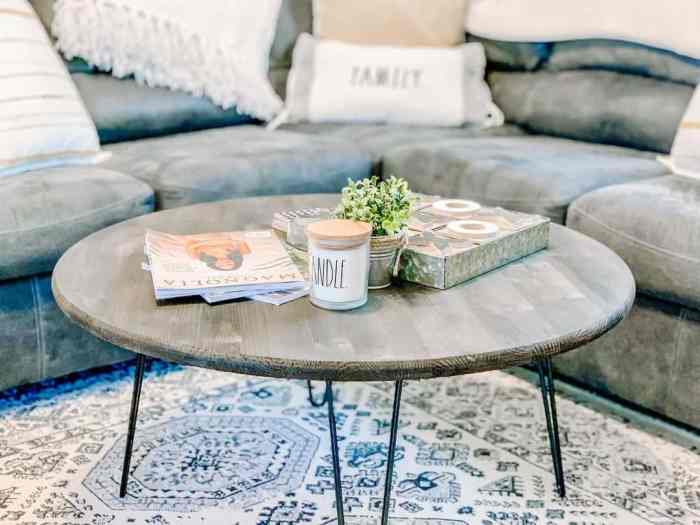
Functional decor transcends mere aesthetics; it’s about creating spaces that are both beautiful and practical. The style you choose significantly impacts how effectively functional pieces are integrated into your home’s design. Different styles prioritize functionality in unique ways, influencing the selection and arrangement of furniture and decorative elements.
Minimalist Design and Functional Pieces
Minimalist design thrives on simplicity and functionality. Every item serves a purpose, eliminating clutter and maximizing space. Furniture is typically sleek and multi-functional, such as a storage ottoman that doubles as seating or a bed with built-in drawers. Decorative elements are minimal, often focusing on natural textures and neutral colors. The emphasis is on clean lines and uncluttered surfaces, creating a sense of calm and spaciousness.
For instance, a simple, well-designed bookshelf not only displays books but also acts as a room divider, demonstrating the effective use of a single piece to serve multiple purposes within a minimalist aesthetic.
Using Vintage and Repurposed Items as Functional Decor
Vintage and repurposed items offer a unique blend of character and practicality. An old wooden crate can be transformed into a stylish coffee table, adding rustic charm while providing a functional surface. Similarly, antique suitcases can be stacked to create a unique side table or a quirky storage solution. Repurposing items not only adds personality to a space but also promotes sustainability by giving old objects new life.
A vintage ladder, for example, can become a striking towel rack in a bathroom or a unique display shelf in a living room, demonstrating the creative potential of repurposing.
Functionality Across Interior Design Styles
The integration of functionality varies across different interior design styles. Consider these examples:
- Bohemian: Bohemian style embraces eclecticism and layered textures. Functionality is incorporated through versatile pieces like ottomans that offer extra seating and storage, or woven baskets that serve as both storage and decorative accents. The focus is on creating a cozy and lived-in feel, where items are both beautiful and useful.
- Farmhouse: Farmhouse style prioritizes rustic charm and practicality. Functionality is key, with pieces like sturdy wooden tables, comfortable armchairs, and open shelving providing both beauty and utility. Items are often chosen for their durability and ability to withstand daily use.
- Modern: Modern design emphasizes clean lines, minimalist aesthetics, and functionality. Multi-purpose furniture is common, such as sofa beds or coffee tables with hidden storage. The emphasis is on creating a streamlined and efficient living space.
- Industrial: Industrial style uses raw materials and exposed elements to create a functional and edgy aesthetic. Metal shelving units, repurposed factory carts, and vintage lighting fixtures are common, all of which serve both a decorative and functional purpose.
- Traditional: Traditional design prioritizes elegance and timeless appeal. Functionality is integrated through classic, well-made furniture pieces that are designed to last and serve their intended purpose. Storage solutions are often built-in or cleverly concealed, maintaining a sense of order and sophistication.
Functional Decor by Room
Integrating functionality into your home’s design elevates its practicality and aesthetic appeal. By strategically placing items that serve both decorative and utilitarian purposes, you create spaces that are not only visually pleasing but also efficient and comfortable. This section will explore how to achieve this functional design approach in various rooms of your home.
Living Room Layout with Functional Pieces
A well-designed living room seamlessly blends style and practicality. Consider a modular sofa with built-in storage underneath, allowing for discreet storage of blankets, pillows, or games. Positioned against a wall, this piece anchors the seating arrangement while maximizing space. Complement this with a coffee table featuring drawers or a lift-top mechanism, providing additional storage for remotes, magazines, or even board games.
Finally, a floor lamp with adjustable height and directional light serves as both a functional light source and a stylish design element. Its placement beside the sofa provides task lighting for reading and enhances the room’s ambiance. This combination of storage-integrated seating, a multi-functional coffee table, and a versatile lamp creates a living room that is both aesthetically pleasing and highly functional.
Functional Bedroom Pieces Emphasizing Storage and Comfort
Careful selection of furniture and accessories is key to a functional and comfortable bedroom. The following items prioritize storage and comfort:
- A bed frame with built-in drawers: This maximizes under-bed storage, ideal for seasonal clothing, bedding, or extra linens. Imagine a sleek, modern platform bed with deep drawers on smooth-gliding runners.
- A chest of drawers with ample storage space: Choose a chest with varied drawer sizes to accommodate different items, from folded clothes to smaller accessories. A tallboy style chest can offer significant storage capacity within a smaller footprint.
- A bedside table with drawers and a shelf: This provides convenient storage for books, glasses, a phone, and other personal items while keeping your bedside area organized. Consider a bedside table with a small drawer for jewellery and a larger drawer for books.
- A comfortable armchair with a built-in side pocket or small shelf: This creates a relaxing reading nook while offering a space to keep a book or a drink within easy reach. A padded armchair in a neutral colour with a small shelf on the side would provide both comfort and practicality.
- A full-length mirror with storage behind it: This not only serves a practical purpose but also helps to make the room feel larger. Consider a sleek, framed mirror with a shallow storage compartment on the back.
Functional and Stylish Kitchen Design
The kitchen is a space where functionality and aesthetics intertwine. Appliances and storage solutions can be incorporated as decorative elements, creating a visually appealing and efficient workspace. For instance, open shelving can display attractive cookware and serve as a practical storage solution, replacing bulky cabinets and enhancing the kitchen’s visual appeal. A stylish spice rack can be mounted on the wall, both a decorative feature and a readily accessible storage solution for spices.
Consider using colourful canisters for storing dry goods, transforming everyday necessities into attractive design elements. Furthermore, incorporating built-in appliances, like a coffee maker or microwave, into cabinetry streamlines the countertop, creating a cleaner look while maintaining functionality. This strategic placement of appliances and storage maximizes space and showcases your kitchen’s design elements.
Balcony Decor Accent Pieces
Transforming a small balcony into a stylish and functional outdoor space requires careful consideration of both aesthetics and practicality. Choosing the right accent pieces can significantly impact the overall feel and usability of this often-underutilized area. Weather resistance and space-saving design are paramount when selecting items for this unique environment.
The following list details functional accent pieces suitable for balcony decoration, keeping in mind the challenges of limited space and exposure to the elements.
- Weather-resistant storage boxes: These offer practical storage for cushions, tools, or other items, while also serving as stylish seating or side tables. Choose materials like resin wicker or powder-coated metal for durability.
- Foldable chairs or stools: Space-saving and easily stored when not in use, these provide comfortable seating without cluttering the balcony. Look for lightweight aluminum or brightly colored plastic options.
- Small, weatherproof side table: A compact table provides a surface for drinks, plants, or decorative items. Consider materials like teak wood or powder-coated steel for longevity.
- Vertical planters or wall-mounted shelves: Maximize vertical space by using wall-mounted planters or shelves to display plants or decorative items. This keeps the floor space free and adds visual interest.
- Outdoor cushions and throws: Add comfort and style with weather-resistant cushions and throws in vibrant colors or patterns. Choose fabrics specifically designed for outdoor use to withstand moisture and UV rays.
Lighting and Plants as Functional and Decorative Elements
Strategic placement of lighting and plants can significantly enhance both the functionality and aesthetic appeal of a balcony. Well-chosen lighting provides ambiance and safety, while plants introduce life and vibrancy to the space.
Outdoor lighting options include solar-powered string lights for a whimsical feel, or wall-mounted LED spotlights for focused illumination. Plants, carefully selected for their size and light requirements, can be incorporated into vertical gardens, hanging planters, or placed on shelves and tables. Consider drought-tolerant varieties to minimize maintenance. For instance, succulents thrive in sunny locations and require minimal watering, making them ideal for balconies.
Herbs like rosemary or basil add a touch of fragrance and can be easily harvested for cooking.
Outdoor Furniture as Functional and Visually Appealing Additions
Selecting the right outdoor furniture is crucial for creating a comfortable and visually appealing balcony space. The furniture should be both functional and stylish, complementing the overall design of the balcony and providing adequate seating and surface area.
For instance, a small bistro set with two chairs and a table is perfect for smaller balconies, offering a space for relaxing and enjoying a morning coffee. Larger balconies can accommodate more substantial furniture, such as a comfortable sofa or lounge chairs with a coffee table. Choosing weather-resistant materials such as wrought iron, teak wood, or resin wicker is essential for ensuring the longevity of the furniture.
Adding colorful cushions and throws can further enhance the comfort and visual appeal, creating a cozy and inviting atmosphere.
Cozy Decor with Functionality
Creating a cozy and inviting home doesn’t necessitate sacrificing functionality. In fact, the two can beautifully complement each other, resulting in a space that is both aesthetically pleasing and practical. By carefully selecting furniture and textiles, you can achieve a warm and welcoming atmosphere without compromising on efficiency.Textiles such as blankets and rugs play a significant role in establishing a cozy ambiance while serving practical purposes.
Blankets offer warmth and comfort, transforming a sofa or armchair into a snug haven. Their textures and colors can also add visual interest and depth to a room. Similarly, rugs define spaces, add warmth underfoot, and can significantly impact the overall aesthetic of a room, from a subtle, grounding element to a bold statement piece. They also help to dampen sound and add insulation, contributing to a more comfortable environment.
Functional Furniture for Cozy Spaces
Comfortable seating is paramount in creating a cozy atmosphere. Armchairs with plush cushions and supportive backs invite relaxation and provide a focal point for the room. Ottomans, besides offering additional seating, can also serve as footrests, coffee tables, or extra storage solutions, maximizing space and functionality. A well-placed chaise lounge can create a luxurious and inviting space for reading or simply unwinding.
These pieces not only contribute to a cozy feeling but also offer practical solutions for everyday living.
Design of a Cozy Reading Nook with Functional Storage and Lighting
This reading nook design prioritizes comfort, functionality, and a calming atmosphere. Imagine a corner space featuring a comfortable armchair upholstered in a soft, neutral fabric like a warm grey wool. Beside the armchair, a small, round ottoman provides a place to rest feet or additional seating for a guest. Built-in shelving above the armchair provides ample storage for books, creating an aesthetically pleasing display.
The shelves are designed with a mixture of open and closed storage – open shelves for frequently accessed books and decorative items, and closed cabinets for less frequently used items. A floor lamp with a flexible neck and a warm-toned bulb provides adjustable lighting, allowing for customized illumination for reading. A soft, textured rug in a complementary color anchors the space and adds warmth underfoot.
The walls are painted in a calming shade of soft blue, enhancing the sense of tranquility. A small side table next to the armchair holds a small lamp and a place for a beverage. The overall effect is a cozy, functional, and inviting space designed specifically for relaxation and reading.
By thoughtfully integrating functional decor, you can craft a home that is both visually stunning and incredibly livable. Remember, the key lies in understanding your lifestyle needs, selecting pieces that serve multiple purposes, and strategically placing them to enhance both aesthetics and functionality. Embrace the opportunity to personalize your space, creating a haven that is as beautiful as it is practical – a testament to the power of design that truly works for you.
Detailed FAQs
How do I determine what constitutes a “functional” decorative piece?
A functional decorative piece serves both a practical purpose and enhances the aesthetic appeal of a room. Think of items that are both beautiful and useful, such as a stylish storage ottoman or a decorative bowl that also holds keys.
What if my style is eclectic? Can I still use functional decor?
Absolutely! Functional decor complements any style. The key is to choose pieces that align with your overall aesthetic while fulfilling a specific need. Mix and match textures, colors, and materials to create a cohesive and personalized look.
Where can I find affordable functional decor?
Thrift stores, flea markets, and online marketplaces are excellent resources for finding unique and affordable functional pieces. Repurposing existing items is another cost-effective way to add character and functionality to your space.


