Transforming your house into a home involves more than just aesthetics; it’s about creating a space that’s both beautiful and functional. This exploration delves into the world of best functional furniture for home decor, examining how thoughtfully chosen pieces can enhance both the style and practicality of your living spaces. We’ll explore various furniture categories, materials, and design styles, offering insights into maximizing comfort, storage, and overall living experience.
From choosing durable and aesthetically pleasing materials to understanding ergonomic principles, we’ll cover everything you need to know to select furniture that not only looks great but also supports your lifestyle. We will also provide guidance on incorporating functional furniture into various design schemes, from minimalist to bohemian, and offer specific recommendations for different rooms, including balconies and bedrooms. The goal is to help you create a home that is both stylish and supremely comfortable.
Defining “Best Functional Furniture”
Choosing the best functional furniture for your home involves a careful consideration of several key factors. It’s not simply about aesthetics, although that plays a significant role; rather, it’s about striking a balance between style, durability, practicality, and ergonomic design to create a space that is both beautiful and comfortable to live in. The “best” furniture will seamlessly integrate into your lifestyle, enhancing your daily routines and contributing to your overall well-being.Functionality in furniture extends beyond simply fulfilling its intended purpose.
It encompasses ease of use, efficient storage solutions, and adaptability to changing needs. Durable materials and construction ensure longevity, reducing the need for frequent replacements and minimizing environmental impact. Aesthetically pleasing designs complement your existing décor, contributing to a harmonious and visually appealing living space.
Material Considerations for Functional Furniture
The choice of material significantly impacts the durability, aesthetics, and practicality of your furniture. Different materials offer distinct advantages and disadvantages, making it crucial to understand their properties before making a purchase.
| Material | Pros | Cons | Suitable For |
|---|---|---|---|
| Wood | Durable, aesthetically pleasing, natural warmth, can be refinished | Can be expensive, susceptible to scratches and water damage, requires maintenance | Tables, chairs, cabinets, shelving |
| Metal | Strong, durable, resistant to damage, modern aesthetic | Can be cold to the touch, prone to rust or corrosion, potentially noisy | Beds, desks, shelving units, outdoor furniture |
| Plastic | Lightweight, inexpensive, easy to clean, comes in various colors and styles | Not as durable as wood or metal, can be easily damaged, may not be aesthetically pleasing to all | Chairs, storage containers, outdoor furniture |
| Upholstered Fabrics (e.g., Leather, Fabric) | Comfortable, aesthetically versatile, adds warmth and texture | Requires regular cleaning and maintenance, can be susceptible to stains and wear, some materials are less durable than others | Sofas, armchairs, ottomans |
Ergonomics and User Comfort
Ergonomic design in furniture is paramount for promoting user comfort and well-being. Properly designed furniture supports the natural curves of the body, reducing strain and discomfort during prolonged use. For instance, an ergonomically designed chair provides adequate lumbar support, adjustable height, and proper armrest positioning to prevent back pain and fatigue. A well-designed desk allows for comfortable posture and prevents neck and shoulder strain.
Investing in ergonomic furniture can significantly improve productivity and reduce the risk of developing musculoskeletal disorders. Consider the specific tasks performed in each area of your home when selecting furniture and prioritize ergonomic features accordingly. For example, a kitchen island with a comfortable height will minimize back strain during food preparation, while an ergonomically designed office chair will enhance focus and comfort during long work sessions.
Functional Furniture Categories for Home Decor
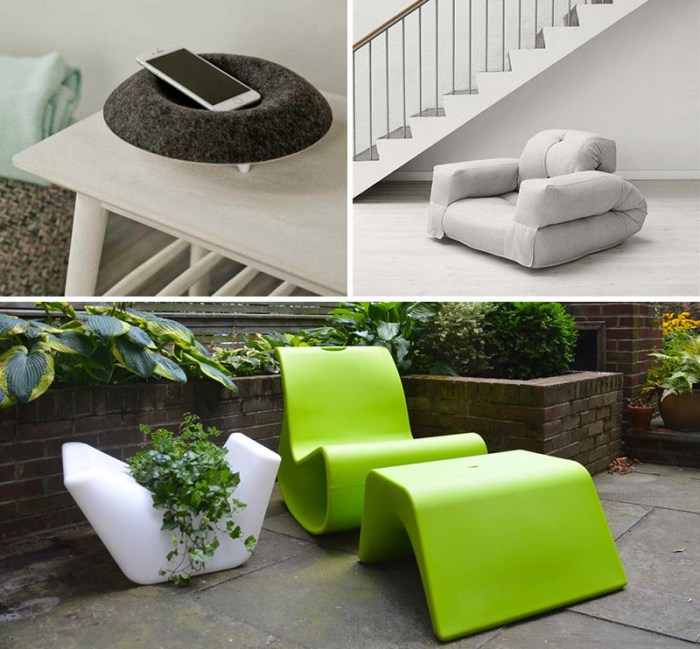
Selecting the right furniture significantly impacts a home’s functionality and aesthetic appeal. Choosing pieces that serve multiple purposes and integrate seamlessly into the existing décor is key to creating a comfortable and stylish living space. This section explores functional furniture categories for various rooms, highlighting examples of versatile pieces that enhance both form and function.
Functional furniture plays a crucial role in optimizing space and improving the overall usability of a home. Different rooms have specific needs, requiring furniture designed to meet those demands efficiently and elegantly. Consideration should be given to the size of the room, its intended use, and the overall style of the home.
Functional Furniture for the Living Room
The living room is the heart of the home, a space for relaxation, socializing, and entertainment. Functional furniture in this room should be comfortable, stylish, and adaptable to various activities. A modular sofa, for example, allows for flexible seating arrangements to accommodate different group sizes. A coffee table with built-in storage can conceal remotes, magazines, and other items, keeping the space tidy.
A media console with ample storage for electronics and entertainment accessories contributes to a clutter-free environment while providing a dedicated place for technological components.
Functional Furniture for the Bedroom
The bedroom is a sanctuary of rest and relaxation. Prioritizing functionality here ensures a calming and organized space. A bed with built-in drawers provides valuable storage for bedding, clothes, or other personal items. A nightstand with multiple drawers and a shelf allows for easy access to books, glasses, and other bedside essentials. A wardrobe with internal organizers maximizes clothing storage and simplifies the process of getting dressed.
A chest of drawers with a mirror offers both storage and a convenient place for preparing for the day.
Functional Furniture for the Dining Room
The dining room is designed for shared meals and gatherings. Furniture choices should reflect this social function while maintaining practicality. A dining table with a leaf extension provides flexibility for both intimate dinners and larger gatherings. A buffet or sideboard offers ample storage for tableware, linens, and other dining essentials, keeping the space organized and aesthetically pleasing.
A bench with storage underneath can provide extra seating and hidden storage for seldom-used items.
Functional Furniture for the Home Office
The home office requires furniture that supports productivity and organization. A desk with built-in drawers and a cable management system keeps work materials organized and the workspace tidy. A bookshelf with adjustable shelves allows for efficient storage of books, files, and other office supplies. An ergonomic chair provides comfort and support during long work sessions, improving posture and preventing fatigue.
A filing cabinet with locking drawers ensures the security of important documents.
Multi-Purpose Furniture Items
Choosing furniture that serves multiple functions is a space-saving strategy that enhances both functionality and aesthetic appeal.
The following items illustrate the potential for combining form and function in home decor:
- Ottoman with Storage: Provides extra seating and concealed storage for blankets, pillows, or other items.
- Sofa Bed: Serves as both a comfortable sofa and a bed for guests, ideal for smaller living spaces.
- Storage Bench: Offers seating and storage space for shoes, coats, or other items in an entryway or bedroom.
- Murphy Bed: A wall-mounted bed that folds away when not in use, maximizing space in small apartments or studios.
- Coffee Table with Lift-Top: Functions as a coffee table and a dining table, adaptable to different needs.
Innovative Storage Solutions in Functional Furniture
Storage solutions are integral to functional furniture design. Clever integration of storage maximizes space and contributes to a tidy home environment.
Examples of innovative storage designs include:
- Hidden Compartments: Furniture pieces with concealed storage areas, such as ottomans with lift-up lids or beds with drawers underneath.
- Modular Shelving: Customizable shelving units that adapt to changing storage needs and fit various spaces.
- Built-in Storage: Furniture designed with integrated storage solutions, such as wardrobes with internal organizers or desks with drawers.
- Vertical Storage: Utilizing vertical space with tall bookcases or shelving units to maximize storage capacity.
- Under-bed Storage: Utilizing the space under the bed with drawers or storage containers on wheels.
Styling Functional Furniture for Different Decor Styles
The beauty of functional furniture lies in its adaptability. A well-chosen piece can seamlessly integrate into a variety of interior design styles, enhancing both aesthetics and practicality. Understanding how to style functional furniture allows for the creation of cohesive and efficient living spaces, regardless of the chosen aesthetic.
Functional Furniture in Minimalist Decor
Minimalist design emphasizes clean lines, simplicity, and a decluttered space. Functional furniture in this style should be understated, multi-purpose, and visually uncluttered. Think sleek, low-profile sofas with built-in storage, simple wooden coffee tables with hidden compartments, and nesting side tables that can be easily tucked away when not in use. Avoid ornate details or excessive embellishments. The focus should be on the inherent functionality of the piece and its contribution to the overall sense of calm and order.
Functional Furniture in Bohemian Decor
Bohemian style embraces eclecticism, layering textures, and a sense of global influence. Functional furniture in this context can be more expressive and personalized. Think woven storage baskets, repurposed vintage chests, and multi-functional ottomans that double as seating and storage. Introduce natural materials like rattan, jute, and wood to complement the earthy tones and textures typical of the style.
A key element is the layering of textiles and patterns, which can be incorporated through throws, cushions, and rugs placed strategically around functional furniture pieces.
Functional Furniture in Modern Decor
Modern design favors clean lines, geometric shapes, and a focus on functionality. Functional furniture in a modern setting typically features streamlined silhouettes, neutral color palettes, and high-quality materials. Consider modular sofas that can be reconfigured to suit different needs, sleek storage units with integrated shelving, and minimalist desks with built-in cable management. The emphasis is on practicality and efficiency, with a focus on creating a space that is both stylish and easy to maintain.
Functional Furniture in Traditional Decor
Traditional design emphasizes classic elegance, rich materials, and ornate details. Functional furniture within this style should maintain a sense of sophistication and timelessness. Think comfortable armchairs upholstered in luxurious fabrics, sturdy wooden bookshelves with intricate carvings, and elegant storage chests with antique-inspired hardware. While functionality is still important, the aesthetic focus is on creating a sense of warmth, comfort, and timeless appeal.
Incorporating pieces with a history or family heirloom quality can further enhance the traditional feel.
Minimalist Living Room Design Incorporating Functional Furniture
Imagine a living room with a light grey, low-profile sofa featuring built-in storage underneath the cushions. A simple, rectangular coffee table made of light oak wood sits in front, with a hidden compartment for remotes and magazines. Two nesting side tables, also made of oak, are tucked away next to the sofa, easily accessible yet unobtrusive. A large, floor-to-ceiling bookshelf in a neutral tone holds books and decorative items, while also serving as a room divider.
The walls are painted a soft white, and the floor is covered in a light grey rug. The overall effect is a clean, calming, and functional space that maximizes both style and practicality.
Functional Furniture in Small vs. Large Spaces
In small spaces, maximizing functionality is paramount. Choose furniture pieces that serve multiple purposes, such as a sofa bed or a coffee table with built-in storage. Opt for furniture with a smaller footprint and avoid bulky or oversized pieces. Mirrors can also create an illusion of space. In large spaces, you have more flexibility to incorporate larger pieces and create distinct zones.
Consider incorporating statement pieces that are both functional and visually striking. The scale of the furniture should be proportionate to the size of the room, avoiding a sense of emptiness or overcrowding.
Balcony Decor Accent Pieces
Transforming a balcony from an underutilized space into a stylish and functional outdoor haven requires careful consideration of accent pieces. These additions not only enhance the aesthetic appeal but also contribute to the overall usability and comfort of the area. The right choices can create a relaxing retreat or a vibrant social space, depending on your personal preferences.Selecting the perfect balcony furniture involves a balance between form and function.
The pieces you choose should complement the existing architecture and decor while providing practical solutions for storage, seating, and ambiance. Careful planning, taking into account factors such as space, sunlight, and weather conditions, is crucial for creating a truly enjoyable outdoor space.
Five Accent Pieces Enhancing Balcony Functionality and Aesthetics
Five carefully selected accent pieces can significantly elevate a balcony’s functionality and visual appeal. These pieces should be chosen based on the available space, the desired ambiance, and the overall style of the home’s interior design.
- Folding Chairs: Space-saving and versatile, folding chairs provide comfortable seating when needed and can be easily stored away when not in use. Consider lightweight aluminum or weather-resistant wicker options for optimal durability.
- Small Table: A compact table, ideally with a height that complements the chosen chairs, offers a surface for drinks, books, or plants. Choose a material that is both durable and easy to clean.
- Planters and Hanging Baskets: Greenery softens the space and adds a touch of nature. Select planters and hanging baskets in materials suitable for outdoor use and choose plants that thrive in the amount of sunlight your balcony receives.
- Outdoor Rug: An outdoor rug defines the space and adds warmth and texture. Opt for a rug made from weather-resistant materials like polypropylene or recycled plastic. This will help protect the floor and add a layer of comfort.
- Privacy Screen: If privacy is a concern, a retractable or freestanding privacy screen can create a more secluded and intimate atmosphere. Consider materials like bamboo or woven fabric for a natural look.
Suitable Materials for Outdoor Balcony Furniture
Choosing the right materials is crucial for ensuring the longevity and aesthetic appeal of your balcony furniture. The materials should be selected to withstand the elements, including sun exposure, rain, and temperature fluctuations.
- Aluminum: Lightweight, durable, and rust-resistant, aluminum is an excellent choice for balcony furniture. It’s also relatively easy to maintain.
- Wicker (Synthetic Resin): Synthetic wicker offers the look of traditional wicker but with enhanced weather resistance and durability. It’s also typically less expensive than natural wicker.
- Powder-Coated Steel: Steel furniture with a powder-coated finish is highly durable and resistant to rust and corrosion. The powder coating provides a protective layer against the elements.
- Teak Wood: Naturally weather-resistant and durable, teak wood is a luxurious option, but it comes with a higher price tag. Regular oiling is recommended to maintain its appearance.
- Polypropylene: This plastic resin is extremely durable, weather-resistant, and lightweight, making it a budget-friendly choice for outdoor furniture.
Design Considerations Based on Space and Sunlight
The design of your balcony furniture should be carefully considered based on the available space and the amount of sunlight the balcony receives. These factors will greatly influence the comfort and usability of the space.For small balconies, prioritize space-saving furniture like folding chairs and a small, slim table. If the balcony receives a lot of direct sunlight, choose materials that are fade-resistant and can withstand the heat.
Conversely, if the balcony is mostly shaded, you have more freedom in material selection. Consider using lighter colours to reflect sunlight and prevent overheating. For balconies with limited sunlight, consider incorporating artificial lighting to create a warm and inviting atmosphere in the evening.
Cozy Decor with Functional Furniture
Creating a cozy and inviting home involves thoughtfully selecting furniture that not only serves a practical purpose but also contributes to a warm and welcoming atmosphere. The right pieces can transform a space from merely functional to genuinely comfortable and aesthetically pleasing. This section explores how functional furniture can be integral to achieving a cozy aesthetic.Functional furniture pieces play a crucial role in establishing a cozy living space.
By prioritizing comfort and thoughtful design, you can create a haven of relaxation and warmth. The key is to select items that are both practical and aesthetically pleasing, enhancing both functionality and the overall ambiance.
Cozy Bedroom Design Incorporating Functional Furniture
A cozy bedroom design prioritizes relaxation and comfort. A carefully chosen bed, for instance, forms the centerpiece. Imagine a plush upholstered bed frame in a deep, warm color like charcoal grey or a rich navy blue, providing a luxurious feel. Beside the bed, a nightstand with drawers offers storage for books, glasses, and other essentials, keeping the space clutter-free and serene.
A comfortable armchair or a chaise lounge in a soft, textured fabric adds a touch of elegance and provides a spot for reading or relaxing before sleep. A well-designed chest of drawers, perhaps with a built-in mirror, provides ample storage for clothing and accessories, contributing to an organized and calm environment. Subtle lighting, such as a bedside lamp with a soft, warm glow, further enhances the cozy atmosphere.
The overall effect is a space that is both stylish and intensely relaxing.
The Role of Textiles and Textures in Enhancing Cozy Ambiance
Textiles and textures are key elements in creating a cozy atmosphere with functional furniture. Think about the plush velvet of an armchair, the soft knit throw draped over a sofa, or the warm, inviting feel of a sheepskin rug placed by the bed. These tactile elements add depth and visual interest, enhancing the sense of comfort and warmth.
A wooden coffee table with a chunky knit throw adds rustic charm and warmth. Similarly, a linen-covered ottoman provides both extra seating and a textural element that complements other cozy furnishings. The careful selection of fabrics and textures in furniture upholstery and accessories is crucial for creating a truly inviting and comfortable space. Natural materials such as wool, linen, and cotton contribute significantly to the cozy aesthetic, offering both visual appeal and a tactile experience that enhances relaxation.
Elegant Decor with Functional Furniture
Elegant functional furniture seamlessly blends sophistication with practicality, transforming formal living spaces into havens of refined comfort. The key lies in selecting pieces that not only perform their intended function but also contribute to an overall atmosphere of understated luxury. This involves careful consideration of materials, design, and the overall aesthetic harmony within the room.Elegant functional furniture pieces for formal living spaces often prioritize clean lines, refined silhouettes, and high-quality materials.
A sophisticated aesthetic is achieved through meticulous craftsmanship and the strategic use of luxurious fabrics and finishes. The furniture should enhance, not overwhelm, the space.
Examples of Elegant Functional Furniture
Several furniture pieces epitomize elegance and functionality in a formal setting. A handcrafted mahogany dining table with intricate detailing, for instance, provides a central focal point while accommodating guests comfortably. Similarly, a plush velvet chaise lounge with subtly curved lines offers a luxurious seating option, perfect for relaxing after a long day. A sleek, lacquered credenza with ample storage space not only provides practical functionality but also acts as a visually striking element, enhancing the overall ambiance.
Finally, a statement armchair upholstered in high-quality leather adds a touch of timeless sophistication. These pieces demonstrate how functionality and elegance can coexist harmoniously.
Dining Room Design Featuring Elegant Functional Furniture
Imagine a dining room bathed in soft, natural light. The centerpiece is a large, oval-shaped dining table crafted from polished walnut. Its rich, dark wood grain is accentuated by delicate inlay work around the edges. Eight exquisitely carved chairs, upholstered in a luxurious cream-colored linen, surround the table. A crystal chandelier hangs above, casting a warm glow on the scene.
A sleek, mirrored sideboard, positioned against one wall, provides ample storage for tableware and linens. Its reflective surface subtly expands the room’s perceived size and adds a touch of glamour. The overall effect is one of refined elegance and understated luxury, a space where both functionality and aesthetic appeal are seamlessly integrated.
High-Quality Materials and Finishes in Elegant Functional Furniture
The use of high-quality materials is paramount in creating elegant functional furniture. Solid wood, such as mahogany, walnut, or cherry, offers durability and timeless appeal. These woods are often hand-finished to showcase their natural beauty. Luxurious fabrics like velvet, silk, or high-grade leather add a touch of opulence and comfort to upholstered pieces. Metal accents, such as brushed nickel or polished brass, provide subtle highlights and a sense of sophistication.
The finishes themselves are crucial; a flawless lacquer finish on a wood piece, for example, enhances its sheen and protects it from damage. The careful selection and application of these materials and finishes are key to achieving a truly elegant and enduring piece of furniture.
Functional Decor Principles
Functional decor prioritizes both aesthetic appeal and practical usability. It’s about creating a space that looks beautiful and works efficiently for your lifestyle. This approach avoids clutter and maximizes the potential of your living space, resulting in a home that is both stylish and comfortable.The core of functional decor lies in the harmonious balance between form and function. It’s not about sacrificing style for practicality, nor vice-versa, but rather finding creative solutions that integrate both seamlessly.
Every piece of furniture should serve a purpose while contributing to the overall design scheme. Careful consideration of the room’s flow and intended use is paramount. For example, a cramped entryway needs space-saving solutions, while a spacious living room can accommodate larger, statement pieces.
Space Planning and Furniture Placement
Effective space planning is crucial for functional decor. Before purchasing any furniture, carefully measure your space and plan the layout. Consider traffic flow – ensuring easy movement around the room – and the placement of furniture in relation to natural light and focal points. For instance, arranging seating around a fireplace creates a natural gathering area, maximizing both comfort and visual appeal.
Similarly, strategically placing a bookshelf near a window allows for natural light to illuminate the books, enhancing both functionality and aesthetics.
Choosing Multi-Functional Furniture
Incorporating multi-functional furniture is a key element of functional decor. This involves selecting pieces that serve multiple purposes, maximizing space and minimizing clutter. A sofa bed, for example, serves as both seating and a sleeping area, ideal for guest rooms or small apartments. Similarly, ottomans with storage provide extra seating while concealing blankets or other items. Coffee tables with drawers offer storage for remotes and magazines, keeping the surface clear and uncluttered.
Incorporating Storage Solutions
Effective storage is vital for maintaining a functional and visually appealing space. Built-in shelving, storage ottomans, and cabinets not only keep belongings organized but also contribute to the overall design. Open shelving can display decorative items, while closed cabinets keep clutter hidden. The choice of storage solutions should complement the existing decor style, ensuring a cohesive and harmonious look.
For instance, sleek, minimalist shelving would suit a modern aesthetic, while ornate, antique cabinets would enhance a traditional setting.
Maintaining a Balanced Aesthetic
Functional decor doesn’t mean sacrificing style. By carefully selecting pieces that are both practical and visually appealing, you can create a space that is both functional and aesthetically pleasing. The key is to choose furniture and accessories that complement each other and enhance the overall design scheme. Consider factors like color, texture, and material when selecting furniture, ensuring a cohesive and harmonious look.
A well-balanced space will feel both inviting and efficient.
Ultimately, the best functional furniture for home decor is about finding a balance between form and function. By carefully considering your lifestyle, design preferences, and the specific needs of each room, you can curate a space that reflects your personality and enhances your daily life. Remember, functional furniture doesn’t mean sacrificing style; instead, it’s about creating a harmonious blend of beauty and practicality that makes your home a true sanctuary.
FAQ
What is the best way to clean different furniture materials?
Cleaning methods vary depending on the material. Wood furniture often benefits from gentle dusting and occasional polishing. Metal furniture can usually be wiped down with a damp cloth. Plastic furniture is generally easy to clean with mild soap and water. Always check manufacturer’s recommendations for specific cleaning instructions.
How do I choose furniture that fits my small space?
Opt for multi-functional pieces like sofa beds or ottomans with storage. Choose furniture with a smaller footprint and lighter colors to make the space feel larger. Consider using vertical space with tall bookcases or shelving units.
Where can I find affordable yet stylish functional furniture?
Explore both online and brick-and-mortar retailers. Look for sales and discounts, consider buying used or refurbished furniture in good condition, and explore budget-friendly brands known for quality designs.
How do I ensure my furniture is durable and long-lasting?
Invest in high-quality materials and construction. Look for furniture with solid wood frames, durable fabrics, and sturdy joints. Proper care and maintenance, as mentioned above, also extend the lifespan of your furniture.