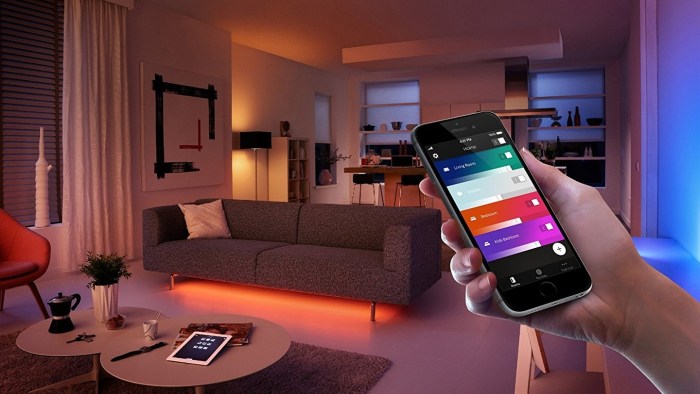
Smart home decor gadgets are rapidly transforming how we design and experience our living spaces. No longer mere technological novelties, these devices offer seamless integration of functionality and aesthetics, enhancing comfort, convenience, and even energy efficiency. From subtly shifting lighting moods to automating climate control, smart gadgets are redefining the possibilities of interior design, catering to diverse styles and preferences.
This exploration delves into the world of smart home decor, examining their functionalities, impact on interior design trends, user experience, cost considerations, and energy efficiency. We’ll explore diverse applications across various rooms, showcasing how these gadgets can enhance the ambiance and functionality of your home, whether you’re aiming for a cozy retreat, an elegant dining space, or a highly functional kitchen.
Defining “Smart Home Decor Gadgets”
Smart home decor gadgets seamlessly blend aesthetics with technology, enhancing both the look and functionality of your living space. These devices go beyond simple automation; they offer personalized control, improved energy efficiency, and enhanced security, all while complementing your interior design. They represent a convergence of form and function, transforming ordinary home décor into interactive and responsive elements.Smart home decor gadgets are characterized by their ability to connect to a network, typically Wi-Fi, allowing for remote control and integration with other smart home devices.
Their differentiating features include sleek designs, intuitive interfaces, and the capacity to learn user preferences over time, adapting to individual needs and routines. This level of personalization sets them apart from traditional home décor items.
Categories of Smart Home Decor Gadgets
Smart home decor gadgets span a wide range of functionalities and applications, falling broadly into several categories. Understanding these categories helps in selecting the right devices to meet specific needs and preferences. Each category offers unique benefits, enhancing different aspects of the home environment.
| Lighting | Climate Control | Security | Entertainment |
|---|---|---|---|
| Smart Bulbs (Philips Hue, LIFX) | Smart Thermostats (Nest, Ecobee) | Smart Locks (August, Schlage) | Smart Speakers (Amazon Echo, Google Home) |
| Smart Light Strips (Philips Hue, Govee) | Smart Fans (Hunter, Haiku) | Smart Security Cameras (Arlo, Ring) | Smart TVs (Samsung, LG) |
| Smart Table Lamps (IKEA TRÅDFRI) | Smart Blinds (Lutron Serena, Somfy) | Smart Smoke Detectors (Nest Protect, First Alert) | Smart Soundbars (Bose, Sonos) |
| Smart Dimmers (Lutron Caséta) | Smart Air Purifiers (Coway, Blueair) | Smart Doorbell (Ring, Nest) | Smart Projectors (XGIMI, Anker Nebula) |
| Smart Ceiling Lights (Lutron) | Smart Humidifiers (Levoit, Honeywell) | Smart Motion Sensors (Aqara, Xiaomi) | Smart Streaming Devices (Roku, Apple TV) |
Smart Home Decor Gadgets and Their Impact on Interior Design
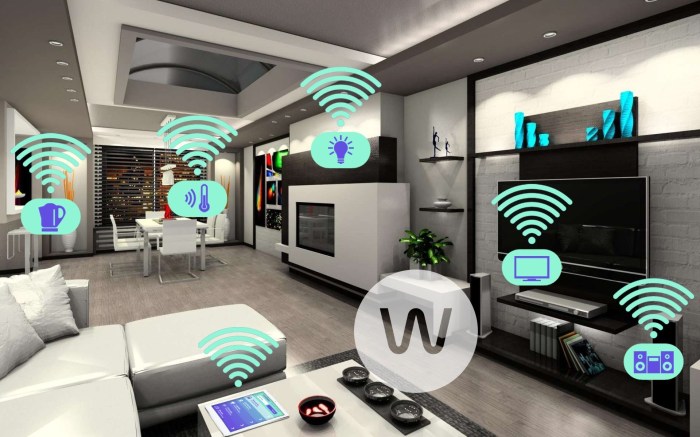
Smart home decor gadgets are rapidly transforming the landscape of interior design, moving beyond mere functionality to become integral components of aesthetic expression. Their influence extends from subtle enhancements to complete design overhauls, reflecting a growing trend towards technology integration within the home environment. This integration not only offers convenience but also presents exciting opportunities for personalized and dynamic spaces.Smart home decor gadgets are significantly influencing interior design trends by enabling greater personalization and control over ambiance.
The ability to adjust lighting, temperature, and even music with voice commands or a smartphone app allows for a level of customization previously unattainable. This empowers homeowners to curate spaces that precisely reflect their individual tastes and lifestyles, leading to more unique and expressive interiors.
Aesthetic Appeal of Traditional versus Smart Home Decor
Traditional decor often prioritizes timeless elegance and handcrafted elements, emphasizing natural materials and classic styles. The aesthetic leans towards a sense of permanence and understated sophistication. Smart home decor, conversely, embraces a blend of technology and design, often incorporating sleek, minimalist aesthetics with integrated technology. While traditional styles might appear warmer and more “lived-in,” smart home decor can project a modern, clean, and futuristic feel.
The key difference lies in the visible integration of technology; traditional decor largely hides technology, while smart home decor often showcases it as a design element. The appeal of each style depends entirely on personal preference and the desired atmosphere.
Enhancing Various Design Styles with Smart Home Gadgets
The versatility of smart home gadgets allows them to seamlessly integrate into a wide range of design styles. Careful selection and placement are key to ensuring the technology complements, rather than clashes with, the overall aesthetic.
- Minimalist: Smart lighting systems with adjustable color temperature and dimmers can create a serene and calming atmosphere, perfectly complementing the clean lines and uncluttered spaces characteristic of minimalist design. A smart thermostat maintaining a consistent temperature further enhances the sense of tranquility and control.
- Bohemian: Smart speakers offering curated playlists can infuse a bohemian space with a vibrant and eclectic ambiance. Smart lighting can subtly accentuate textured fabrics and globally-inspired décor, enhancing the room’s layered and richly textured feel. Color-changing bulbs can add a playful and dynamic element, reflecting the bohemian spirit.
- Modern: Smart home displays integrated into sleek, minimalist furniture pieces can serve as both functional and aesthetically pleasing focal points. Automated blinds that adjust to optimize natural light seamlessly integrate into the modern emphasis on clean lines and efficiency. Smart thermostats with minimalist designs maintain a consistent, comfortable temperature without detracting from the overall modern aesthetic.
- Rustic: Smart lighting systems with warm, amber tones can enhance the cozy and inviting atmosphere of a rustic space. Smart speakers discreetly integrated into shelving units can provide background music without compromising the natural, uncluttered feel of the design. These additions can add convenience and comfort without sacrificing the rustic charm.
Functionality and User Experience of Smart Home Decor Gadgets
Smart home decor gadgets offer a blend of convenience and aesthetic appeal, transforming how we interact with our living spaces. Their functionality extends beyond simple on/off switches, encompassing features designed for seamless integration and intuitive user experiences. This section delves into the specifics of these functionalities and examines how user interface design impacts overall user satisfaction.The range of functionalities offered by smart home decor gadgets is quite broad.
Many devices provide basic control features like dimming lights, adjusting color temperature, or setting timers for automated operation. More advanced functionalities include scene setting (pre-programmed lighting and appliance configurations for different moods or activities), integration with other smart home systems (allowing for coordinated control of multiple devices), and even voice control via virtual assistants like Alexa or Google Assistant.
Some smart lamps can mimic natural sunlight patterns throughout the day, while smart speakers can play music and provide weather updates. The ease of use varies greatly depending on the brand and specific device, but generally, well-designed gadgets prioritize simplicity and intuitive control mechanisms.
Smart Home Gadget User Interfaces
User interfaces (UIs) for smart home decor gadgets vary considerably. Some rely on simple physical buttons or touch controls on the device itself. Others primarily utilize mobile applications, offering a more comprehensive range of control options and customization possibilities. Effective UIs typically feature clear icons, intuitive navigation, and real-time feedback. For instance, a well-designed app might display a visual representation of the connected lights, allowing users to adjust individual bulbs or groups with drag-and-drop functionality.
Voice control interfaces, while offering a hands-free alternative, often require precise phrasing and can be prone to misinterpretations. The effectiveness of each UI type depends heavily on factors like user familiarity with technology, the complexity of the device’s functionalities, and the overall design quality of the interface. Poorly designed apps can lead to frustration and a less enjoyable user experience.
Comparison of Smart Home Gadget Brands
The user experience across different smart home gadget brands can differ significantly. Below is a comparison of three popular brands, focusing on key user experience features.
| Feature | Brand A (e.g., Philips Hue) | Brand B (e.g., LIFX) | Brand C (e.g., IKEA Trådfri) |
|---|---|---|---|
| App Interface | Intuitive, visually appealing, offers extensive customization options. | Clean and minimalist, but lacks some advanced features found in competitors. | User-friendly, straightforward, ideal for beginners. |
| Voice Control Responsiveness | Highly responsive and accurate with both Alexa and Google Assistant. | Generally responsive, but occasional misinterpretations may occur. | Good responsiveness, but limited voice command functionality compared to competitors. |
| Ease of Setup | Relatively easy setup process, with clear instructions and helpful app guidance. | Setup can be slightly more challenging, requiring some technical knowledge. | Very easy setup, particularly with the inclusion of a dedicated gateway. |
Smart Home Decor Gadgets
Smart home decor gadgets offer a blend of aesthetics and functionality, transforming living spaces into interactive and personalized environments. However, the integration of such technology into homes hinges significantly on their price and accessibility to a broad consumer base. Understanding the cost factors and market reach is crucial for both manufacturers and potential buyers.
Smart Home Decor Gadget Pricing and Accessibility
The price range of smart home decor gadgets varies considerably depending on several key factors. These factors directly impact the affordability and accessibility of these products across different socioeconomic groups. Generally, simpler devices like smart bulbs tend to be more affordable, while sophisticated systems involving multiple integrated devices and advanced features command higher prices.
Factors Influencing the Cost of Smart Home Decor Gadgets
Several factors contribute to the overall cost of smart home decor gadgets. Manufacturing costs, including the components (sensors, processors, LEDs, etc.), assembly, and quality control, form a significant portion. Research and development expenses for innovative features and designs also add to the price. Branding and marketing play a role, with established brands often commanding premium prices. The level of integration with other smart home ecosystems and the complexity of the device’s functionality also impact its cost.
Finally, distribution and retail markups contribute to the final price consumers pay.
Price Range of Smart Home Decor Gadgets by Function and Brand
The following table provides a general overview of the price range for different smart home decor gadgets, categorized by function and brand. Note that prices can fluctuate based on sales, retailer, and specific model features.
| Category | Brand | Price Range (USD) |
|---|---|---|
| Smart Bulbs | Philips Hue | $15 – $50 |
| Smart Bulbs | LifX | $20 – $60 |
| Smart Speakers | Amazon Echo | $50 – $200 |
| Smart Speakers | Google Home | $50 – $300 |
| Smart Plugs | TP-Link Kasa | $10 – $30 |
| Smart Plugs | Wemo | $20 – $40 |
| Smart Displays | Amazon Echo Show | $80 – $250 |
| Smart Displays | Google Nest Hub | $70 – $200 |
| Smart Blinds/Shades | Lutron Serena | $100 – $500+ (per unit) |
| Smart Thermostats | Nest Learning Thermostat | $200 – $300 |
| Smart Locks | August Smart Lock | $150 – $300 |
Smart Home Decor Gadgets and Energy Efficiency
Smart home decor gadgets offer a compelling blend of aesthetics and functionality, but their impact extends beyond enhancing interior design. Many of these devices incorporate energy-saving features that contribute to reduced energy consumption and lower utility bills, making them a practical choice for environmentally conscious homeowners. This section will explore the energy efficiency aspects of these gadgets, comparing them to traditional alternatives and highlighting potential cost savings.Smart home decor gadgets often boast several energy-saving features.
For instance, smart LED bulbs can be programmed to automatically switch off when a room is unoccupied, or they can dim based on ambient light levels, significantly reducing energy waste. Smart power strips allow users to monitor and control the power consumption of individual devices, ensuring that electronics are not drawing power when not in use. Similarly, smart thermostats learn user preferences and adjust heating and cooling accordingly, optimizing energy use throughout the day.
These features collectively contribute to a significant reduction in overall energy consumption.
Energy Consumption Comparison
Comparing the energy consumption of smart home decor gadgets with their traditional counterparts reveals a clear advantage for the smart options. Traditional incandescent light bulbs, for example, generate significant heat alongside light, wasting a large portion of their energy. Smart LED bulbs, on the other hand, are significantly more efficient, converting a much higher percentage of energy into light.
Similarly, smart thermostats utilize advanced algorithms to optimize heating and cooling cycles, leading to less energy wasted compared to older, less responsive models. While initial investment in smart devices might be higher, the long-term savings in energy costs can quickly offset this initial expense.
Potential Cost Savings
The potential cost savings associated with using energy-efficient smart home decor gadgets can be substantial, varying depending on factors such as energy prices, household size, and usage patterns. Consider a household that replaces five traditional incandescent bulbs (60W each) with smart LED bulbs (10W each). The reduction in power consumption would be 250W (5 x 50W), resulting in significant savings over time.
If these bulbs are used for an average of 4 hours per day, the annual energy savings could be approximately 365 kWh (250W x 4 hours/day x 365 days/year). With an average electricity price of $0.15 per kWh, this translates to an annual savings of $54.75. This is just one example; the cumulative savings from multiple energy-efficient smart home decor gadgets can be considerably higher.
Furthermore, some utility companies offer rebates and incentives for installing energy-efficient smart home devices, further reducing the upfront cost and enhancing the overall cost-effectiveness.
Balcony Decor Accent Pieces
Transforming a balcony into a stylish and functional extension of your home is easily achievable with the right blend of decor and smart technology. Smart home gadgets can enhance both the aesthetics and practicality of your outdoor space, creating a relaxing and enjoyable environment. This section explores three distinct balcony decor schemes incorporating smart home technology, along with descriptions of unique accent pieces to elevate your outdoor oasis.
Balcony Decor Scheme: Modern Minimalism
This scheme prioritizes clean lines, neutral colors, and functional design. The overall aesthetic is sophisticated and calming. Smart integration focuses on subtle enhancements rather than overt displays of technology.A smart watering system for potted plants ensures optimal hydration without manual intervention. This system, discreetly hidden within the planter boxes, utilizes sensors to monitor soil moisture and automatically adjusts watering schedules based on environmental conditions.
A smart LED strip light, integrated into the railing, provides adjustable mood lighting, creating a warm and inviting atmosphere at night. Finally, a smart weather station provides real-time weather updates, allowing you to prepare for changing conditions and protect your plants accordingly. The ambiance is one of understated elegance and tranquility, emphasizing the natural beauty of the plants and the clean lines of the furniture.
Balcony Decor Scheme: Bohemian Rhapsody
This scheme embraces vibrant colors, textured fabrics, and eclectic elements. Smart technology is used to enhance the overall atmosphere and convenience.A smart speaker, disguised as a stylish planter, provides background music and weather updates, seamlessly blending technology with the bohemian aesthetic. String lights, controlled by a smart plug, add a whimsical touch, allowing you to adjust the brightness and color to match your mood.
A smart fan, concealed within a decorative bamboo enclosure, provides gentle breezes on warmer days, creating a comfortable outdoor space. The overall ambiance is lively and inviting, a space that encourages relaxation and socializing.
Balcony Decor Scheme: Rustic Charm
This scheme celebrates natural materials and a cozy, inviting atmosphere. Smart technology is subtly integrated to enhance functionality without compromising the rustic aesthetic.A smart security camera, disguised as a rustic birdhouse, provides discreet surveillance and peace of mind. This allows you to monitor your balcony even when you are not present, adding a layer of security without detracting from the overall charm.
Smart solar-powered lights, integrated into decorative lanterns, provide ambient lighting at night without the need for electrical wiring, preserving the rustic feel. A smart irrigation system, utilizing a water barrel and a timer, ensures efficient watering of plants while maintaining the rustic charm. The overall ambiance is warm, inviting, and secure.
Unique Balcony Accent Pieces
The selection of accent pieces significantly contributes to the overall look and feel of a balcony.
1. Woven Hanging Chair: This piece, crafted from durable, weather-resistant wicker or rattan, offers a comfortable and stylish seating option. Its natural texture complements various decor schemes, adding a touch of bohemian or rustic charm depending on the chosen style and color. The functionality is simple relaxation and enjoying the view.
2. Metal Planter with Integrated Lighting: This planter, made from powder-coated steel or aluminum, combines practicality with aesthetic appeal. The integrated LED lighting, controlled by a timer or smart home system, highlights the plants at night, creating a captivating focal point. The material ensures durability and weather resistance, making it suitable for outdoor use.
3. Modular Outdoor Sofa Set: This set, crafted from weather-resistant materials like teak wood or aluminum, offers flexibility and adaptability. The modular design allows for customization based on available space and personal preference, creating a comfortable and stylish seating area. The functionality is simple relaxation and entertaining.
Cozy Decor with Smart Home Gadgets
Transforming a living room into a haven of comfort and relaxation is easily achievable with the strategic integration of smart home technology. These gadgets not only enhance the aesthetic appeal but also contribute to a more personalized and responsive environment tailored to individual preferences. The seamless blend of technology and design creates a space that is both visually appealing and functionally superior.Smart home gadgets offer a multitude of ways to cultivate a cozy atmosphere.
The ability to customize lighting, soundscapes, and even scents allows for a level of control and personalization previously unimaginable. This level of control fosters a sense of calm and well-being, making the living room a true sanctuary.
Smart Lighting for Ambiance
Smart lighting systems offer unparalleled control over the ambiance of a living room. Imagine soft, warm-toned LED bulbs gradually dimming as the evening progresses, creating a serene and inviting atmosphere. These systems often integrate with voice assistants, allowing for hands-free control, further enhancing convenience and relaxation. Different lighting scenes can be programmed for various moods, from a bright and energetic setting for daytime activities to a calming, low-light scenario perfect for unwinding with a book.
For example, a Philips Hue system allows users to select pre-set scenes or create custom ones, perfectly matching the lighting to the desired mood.
Aromatherapy and Sound Systems for Relaxation
The integration of smart aromatherapy diffusers and sound systems elevates the cozy experience to new heights. Smart diffusers allow for scheduled diffusion of calming essential oils, such as lavender or chamomile, promoting relaxation and sleep. Similarly, smart sound systems can play soothing music or nature sounds, masking distracting noises and creating a tranquil environment. For instance, a smart diffuser paired with a voice-activated speaker could be programmed to diffuse lavender oil and play calming rain sounds at bedtime, creating a personalized sleep ritual.
Creating a Relaxing Environment with Smart Technology
Smart home technology empowers users to create a truly personalized relaxing environment. Beyond lighting and scent, smart thermostats ensure the room maintains a comfortable temperature, while smart curtains or blinds automatically adjust to optimize natural light and privacy. These features work in concert to create a seamless and intuitive experience, where the technology fades into the background, leaving only the comforting ambiance.
For example, a smart thermostat could be set to automatically lower the temperature at night and raise it in the morning, ensuring optimal comfort throughout the day and night. The coordinated use of these technologies contributes to a living space that actively promotes relaxation and well-being.
Elegant Decor and Smart Home Integration
Integrating smart home technology into an elegant interior doesn’t require sacrificing style; rather, it enhances the overall ambiance and functionality. The key is to choose devices that complement the existing design aesthetic, working subtly to improve comfort and convenience without being visually obtrusive. A well-integrated smart home system can elevate a sophisticated space from merely beautiful to truly luxurious.Smart home technology significantly improves the elegance and sophistication of a living space by offering seamless control over lighting, temperature, and other environmental factors.
This allows for customized settings that enhance the mood and atmosphere, contributing to a more refined and luxurious experience. The ability to adjust lighting levels instantly, for example, can transform a room from bright and airy to warm and intimate with a simple command, perfectly tailored to the occasion or time of day.
Smart Home Gadgets Enhancing Elegant Dining Rooms
An elegantly designed dining room can be further enhanced with the strategic integration of smart home gadgets. Imagine a room bathed in the warm glow of dimmable smart LED lighting, subtly accentuating the polished mahogany table and fine china. Automated window shades, controlled via a smart hub or voice assistant, could gracefully adjust to the setting sun, maintaining the perfect level of natural light while adding a touch of modern convenience.
A smart thermostat ensures the room is always at the ideal temperature for a comfortable and enjoyable dining experience. Furthermore, a smart speaker could provide background music, seamlessly blending into the atmosphere without overpowering conversation. The overall effect is one of understated luxury, where technology works invisibly to enhance the aesthetic and functionality of the space. The absence of visible wires and complicated controls maintains the clean, elegant lines of the room’s design.
Functional Decor with Smart Home Gadgets
Smart home gadgets are rapidly transforming how we interact with our living spaces, extending beyond mere aesthetics to significantly enhance functionality and efficiency. By seamlessly integrating technology into everyday routines, these devices streamline tasks, improve organization, and create a more intuitive and responsive home environment. This integration is particularly impactful in functional areas like kitchens and home offices, spaces where productivity and efficiency are paramount.Integrating smart home technology into functional spaces offers several key advantages.
The primary benefit is increased convenience and automation. Imagine a kitchen where appliances automatically adjust to your preferences, or a home office where lighting and temperature are optimized for peak productivity. Beyond convenience, smart home technology also improves organization and management. Smart systems can track inventory, schedule tasks, and provide real-time data, ultimately leading to a more efficient and streamlined workflow.
Finally, this technology enhances safety and security. Smart locks, security cameras, and smoke detectors offer peace of mind and provide proactive alerts in case of emergencies.
Smart Home Gadgets Enhancing Kitchen Functionality
Smart kitchen gadgets are revolutionizing food preparation and organization. For instance, smart refrigerators with built-in cameras allow you to check your inventory remotely, preventing unnecessary grocery trips. Smart ovens and slow cookers enable precise temperature control and automated cooking schedules, ensuring perfectly cooked meals every time. Smart scales and food processors can assist with precise ingredient measurements, reducing waste and improving recipe accuracy.
A smart coffee maker can start brewing your coffee automatically before you even wake up. These examples demonstrate how smart technology enhances convenience and efficiency in the kitchen.
Smart Home Gadgets Enhancing Home Office Functionality
The home office, a hub for productivity and concentration, benefits significantly from smart home integration. Smart lighting systems can adjust brightness and color temperature throughout the day, mimicking natural light patterns to improve focus and reduce eye strain. Smart speakers can function as virtual assistants, managing schedules, setting reminders, and making calls hands-free, freeing up time for more important tasks.
Smart thermostats maintain an ideal working temperature, optimizing comfort and energy efficiency. A smart whiteboard can digitally record notes and ideas, streamlining project management. These smart home devices transform the home office into a highly efficient and productive workspace.
Smart Home Gadgets for Enhanced Functionality in Various Home Areas
Smart home technology extends beyond the kitchen and home office. The following list provides examples of smart gadgets enhancing functionality in other areas of the home:
- Living Room: Smart TVs with voice control and integrated streaming services offer enhanced entertainment options. Smart speakers provide hands-free control over music, lighting, and other devices.
- Bedroom: Smart lighting systems can create customized sleep schedules, automatically dimming lights at bedtime and gradually brightening them in the morning. Smart blinds adjust to optimize natural light and privacy.
- Bathroom: Smart mirrors can display news, weather, and other information, while smart showers offer precise temperature control and automated routines.
- Laundry Room: Smart washing machines and dryers provide remote monitoring and control, allowing you to start or stop cycles from anywhere.
- Garage: Smart garage door openers offer remote control and security features, allowing you to monitor and control access to your garage from your smartphone.
Ultimately, smart home decor gadgets offer a compelling blend of technology and design, empowering homeowners to create personalized environments that reflect their unique style and needs. By thoughtfully integrating these devices, we can elevate our living spaces, enhancing both their aesthetic appeal and practical functionality, resulting in homes that are not only beautiful but also intelligent and responsive to our lifestyles.
FAQ Overview
What are the security implications of using smart home decor gadgets?
Security is a key concern. Choose reputable brands with strong encryption and security protocols. Regularly update firmware and use strong, unique passwords for each device and your home network.
How difficult are smart home decor gadgets to install and set up?
Ease of setup varies by brand and device. Many offer user-friendly apps and step-by-step instructions. Some require professional installation, while others are plug-and-play.
Can smart home decor gadgets be controlled remotely?
Yes, most smart home gadgets offer remote control via smartphone apps or voice assistants, allowing you to manage your home environment even when you’re away.
Are smart home decor gadgets compatible with each other?
Compatibility depends on the chosen brands and protocols (e.g., Zigbee, Z-Wave, Wi-Fi). Some platforms offer better interoperability than others. Research compatibility before purchasing multiple devices.


