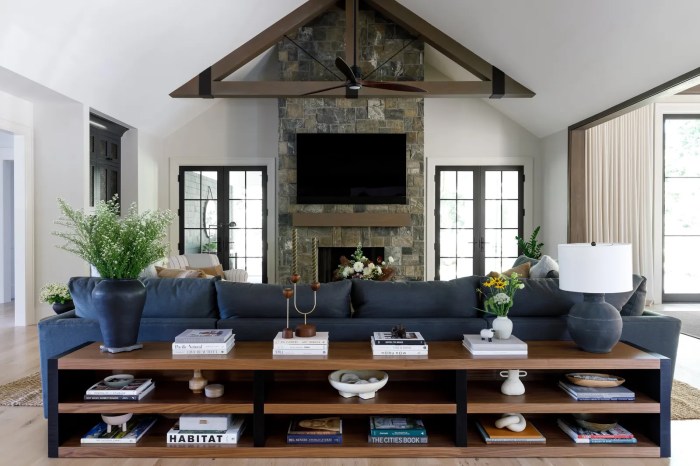
Step into the inviting world of farmhouse style home decor, where rustic charm meets modern comfort. This design aesthetic, rooted in the simplicity and practicality of rural life, has captivated homeowners for its timeless appeal and ability to create warm, welcoming spaces. From the use of natural materials like reclaimed wood and weathered metals to the incorporation of cozy textiles and vintage finds, farmhouse style offers a unique blend of old and new, creating a look that is both effortlessly stylish and deeply personal.
This guide delves into the core principles of farmhouse design, exploring its history, key elements, and versatile applications across various rooms of the home. We’ll examine popular color palettes, discuss the role of lighting and textures in setting the mood, and offer practical tips for incorporating this beloved style into your own living space, whether you’re aiming for a rustic, elegant, or cozy atmosphere.
We’ll even explore how to extend the farmhouse aesthetic to outdoor spaces like balconies.
Defining Farmhouse Style Home Decor
Farmhouse style home decor evokes a sense of rustic charm and comfortable simplicity, drawing inspiration from the aesthetics of rural life. It’s a style that blends practicality with warmth, creating inviting and lived-in spaces. The overall effect is one of relaxed elegance, emphasizing natural materials and a touch of vintage appeal.Farmhouse style’s origins trace back to, unsurprisingly, the American farmhouse.
Early American farmhouses were characterized by functionality and the use of readily available materials. As time went on, this style evolved, incorporating influences from various periods and regional variations. The modern interpretation of farmhouse style retains the core elements of its predecessors while adapting to contemporary tastes and living spaces. It’s not simply a replication of historical farmhouses; it’s a carefully curated aesthetic that captures the essence of that lifestyle.
Materials and Textures in Farmhouse Decor
The materials used in farmhouse style are integral to its overall aesthetic. They reflect a commitment to natural, durable, and often reclaimed elements. This creates a sense of authenticity and history within the space.
- Wood: Reclaimed wood, particularly in weathered or painted finishes, is a staple. Think aged barn wood beams, rustic wooden tables, and distressed wood flooring. The natural grain and variations in color add character and warmth.
- Metal: Black metal accents, such as vintage-style light fixtures, hardware, and shelving, provide a beautiful contrast to the lighter wood tones and textiles. Galvanized metal is also frequently used for storage containers and decorative pieces.
- Stone: Natural stone, whether used for countertops, fireplaces, or accent walls, adds a touch of rugged elegance. The rough texture contrasts nicely with the smoother surfaces of wood and textiles.
- Linens: Natural fiber textiles, like linen and cotton, in neutral colors or subtle patterns, create a feeling of comfort and simplicity. Think crisp white linens on beds and tables, along with cozy throws and textured rugs.
A Farmhouse Style Mood Board
Imagine a room bathed in soft, natural light. The walls are painted a creamy white, reminiscent of aged plaster. A wide-plank, light oak floor stretches across the room, its surface showing subtle variations in tone and texture. A large, rustic wooden table sits at the center, surrounded by mismatched chairs – some painted a muted blue, others in a worn natural wood finish.
A vintage metal chandelier hangs above, casting a warm glow. On the table sits a simple arrangement of wildflowers in a chipped enamel pitcher. A cozy linen tablecloth drapes over the table’s surface, with a scattering of vintage books and a woven basket filled with apples nearby. Soft, textured linen curtains frame a window, allowing the sunlight to filter through, highlighting the dust motes dancing in the air.
The overall feeling is one of calm, comfortable sophistication, a blend of rustic charm and understated elegance. The palette is primarily neutral, with accents of soft blues, greens, and muted yellows. The textures are a mix of rough and smooth, hard and soft, creating a visually appealing and tactile experience.
Key Elements of Farmhouse Style
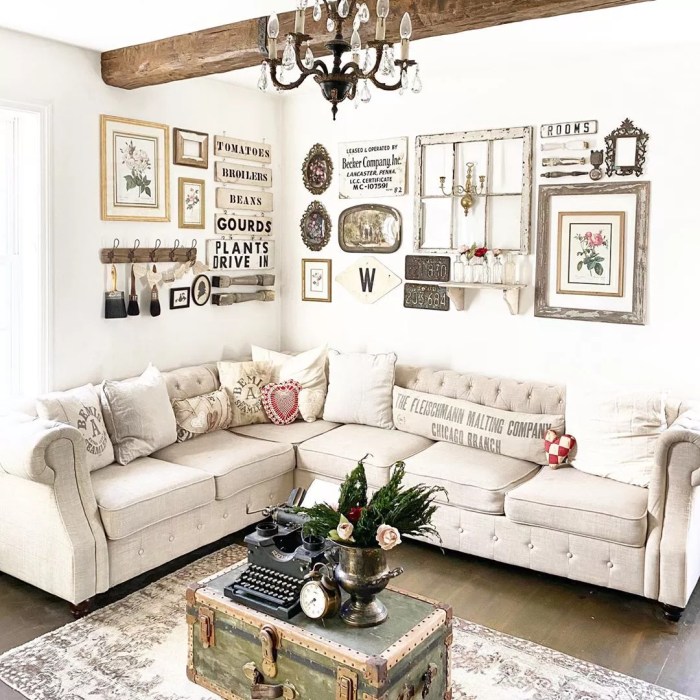
Farmhouse style, while evoking a sense of rustic charm, is surprisingly versatile and adaptable to modern living. Its enduring appeal lies in its ability to blend comfort, practicality, and a touch of nostalgic elegance. Understanding its key elements allows for a successful and authentic interpretation within any home.
Five essential elements consistently define farmhouse style. These elements, when thoughtfully combined, create a cohesive and inviting atmosphere.
Essential Elements of Farmhouse Decor
The core components of farmhouse style are interconnected and build upon each other to achieve the desired aesthetic. A careful selection and arrangement of these elements are key to a successful design.
- Natural Materials: Wood, stone, and linen are prevalent, contributing to the overall rustic feel. These materials provide a sense of warmth and authenticity.
- Neutral Color Palette: Whites, creams, grays, and muted blues are common, creating a calm and airy backdrop. These colors allow for the introduction of pops of color through accessories.
- Vintage and Antique Accents: Incorporating repurposed or antique furniture and décor pieces adds character and history to the space. These items tell a story and contribute to the home’s unique personality.
- Simple and Functional Furniture: Furniture pieces are typically sturdy and unpretentious, emphasizing practicality over ornate detail. Functionality is key; each piece serves a purpose.
- Open and Airy Spaces: Farmhouse design often prioritizes open floor plans, maximizing natural light and creating a sense of spaciousness. This enhances the feeling of rustic simplicity.
The Role of Natural Light in Farmhouse Style
Natural light is paramount in achieving the signature farmhouse aesthetic. It illuminates the natural materials, enhancing their textures and colors, and creates a bright, welcoming atmosphere. Large windows, often found in traditional farmhouses, are key to this design element.
The use of sheer curtains or linen drapes allows ample natural light to filter through while maintaining privacy. This soft, diffused light creates a sense of tranquility and enhances the overall warmth of the space. Strategically placed mirrors can further amplify the natural light, making smaller rooms feel more expansive.
The Use of Reclaimed Wood in Farmhouse Decor
Reclaimed wood is a defining characteristic of farmhouse style. Its inherent imperfections – knots, variations in color, and weathered textures – add character and authenticity. This material speaks to the history and heritage of the style.
Reclaimed wood can be used in various applications, from flooring and beams to furniture and accent walls. Its rich tones and unique patterns add depth and visual interest. The use of reclaimed wood contributes significantly to the overall rustic charm and sustainability of the design.
Living Room Design: A Farmhouse Showcase
Imagine a living room bathed in soft, natural light streaming through large windows draped with simple linen curtains. The flooring is wide-plank reclaimed wood, showing variations in color and texture. A large, comfortable sofa upholstered in a cream-colored linen sits against one wall.
A coffee table made from reclaimed wood with a distressed finish sits in front of the sofa. Two armchairs, upholstered in a muted blue fabric, flank a stone fireplace, adding a touch of rustic elegance. Accessories include a collection of vintage glass jars filled with wildflowers, a woven rug, and several throw pillows in coordinating neutral tones and muted blues.
The overall effect is one of relaxed sophistication and rustic charm, perfectly embodying the farmhouse aesthetic.
Color Palettes in Farmhouse Decor
The color palette is a cornerstone of achieving the authentic, inviting feel of farmhouse style. Choosing the right colors can significantly impact the overall mood and aesthetic of your space, transforming it from simply decorated to genuinely charming. Understanding the nuances of color selection within this style is key to creating a cohesive and welcoming atmosphere.
Farmhouse style often evokes feelings of warmth, comfort, and rustic simplicity. This is largely achieved through careful consideration of color. While neutral tones form the foundation, strategic use of bolder accent colors adds personality and visual interest. The balance between these elements is what defines the unique character of a farmhouse-style home.
Neutral Tones versus Bolder Accent Colors
Neutral tones, such as creamy whites, soft greys, and muted beiges, provide the perfect backdrop for a farmhouse aesthetic. These colors create a sense of spaciousness and allow other elements, like textures and natural materials, to take center stage. They also offer a calming, timeless quality that complements the rustic charm. However, relying solely on neutrals can result in a somewhat bland or unfinished look.
This is where bolder accent colors come into play. Accents like deep blues, warm reds, or sunny yellows, used sparingly, add pops of personality and vibrancy, preventing the space from feeling sterile or monotone. These accents might be incorporated through furniture, textiles, or artwork, creating focal points and visual interest. The key is to maintain a balance – letting the neutrals anchor the room while the accents add character and depth.
Examples of Farmhouse Color Palettes
Several popular color palettes effectively capture the essence of farmhouse style. These palettes demonstrate the versatile nature of the style, allowing for diverse interpretations based on personal preference and the specific character of the home.
| Palette Name | Primary Colors | Accent Colors | Overall Mood |
|---|---|---|---|
| Classic Farmhouse | Creamy White, Soft Grey, Natural Linen | Sage Green, Dusty Rose, Warm Brown | Calm, Rustic, Inviting |
| Modern Farmhouse | Off-White, Light Grey, Black | Navy Blue, Mustard Yellow, Deep Teal | Clean, Chic, Sophisticated |
| Rustic Farmhouse | Beige, Warm White, Light Brown | Terracotta, Burnt Orange, Deep Red | Warm, Cozy, Earthy |
Farmhouse Style in Different Rooms
The adaptability of farmhouse style allows its charm to translate beautifully across various rooms in a home. From the heart of the home, the kitchen, to the tranquil sanctuary of the bedroom, each space can embrace the rustic elegance and warmth that defines this aesthetic. Let’s explore how to achieve a cohesive farmhouse look throughout your home.
Farmhouse Style Kitchen
A farmhouse kitchen is characterized by functionality and a sense of welcoming warmth. Cabinetry typically features a light, neutral color palette—think creamy whites, soft grays, or even a subtle, warm beige. Often, these cabinets are shaker-style, with clean lines and simple detailing. Open shelving displays cherished dishes and glassware, adding a touch of rustic charm. Appliances, while modern in function, can complement the overall style.
Stainless steel appliances are a popular choice, blending seamlessly with the rustic aesthetic. However, a more vintage-inspired range, perhaps with a cast iron look, could add to the character of the space. The countertops could be a durable, natural material like butcher block, adding both warmth and practicality to the space. A large farmhouse sink, often made of apron-front cast iron or porcelain, becomes a central focal point.
Finally, incorporating natural materials like wood and stone adds texture and visual interest.
Farmhouse Style Bedroom
A farmhouse bedroom evokes a sense of calm and tranquility. The furniture is typically made of natural wood, with simple lines and a slightly distressed finish. A wooden four-poster bed is a classic choice, creating a cozy and inviting centerpiece. A comfortable upholstered headboard in a neutral fabric like linen or cotton adds softness and texture. Textiles play a crucial role in creating the farmhouse atmosphere.
Think crisp white bedding layered with textured throws and blankets in muted colors, such as soft blues, greens, or creams. Rugs made from natural fibers like jute or wool add warmth underfoot and further enhance the rustic ambiance. Simple, yet elegant nightstands complete the look, providing practical storage and surface space. Adding vintage or antique elements, such as a mirror with an ornate frame or a repurposed trunk as a coffee table, can further enhance the character of the room.
Farmhouse Style Bathroom
The farmhouse bathroom is a space where rustic charm meets modern convenience. Natural materials are key; think ceramic tiles with a slightly aged look or even reclaimed wood accents on the walls or vanity. A freestanding clawfoot tub, often white or a soft pastel shade, is a signature element, adding a touch of vintage elegance. The vanity can be a simple, clean-lined design, potentially crafted from wood with a distressed finish.
A large, round mirror, possibly with a simple wooden frame, complements the overall aesthetic. Natural light is desirable, but if limited, warm-toned lighting fixtures can create a cozy and inviting atmosphere. Accessories, such as vintage-inspired towels and soap dispensers, add personality and reinforce the farmhouse style. Simple yet elegant storage solutions maintain a clutter-free environment.
Farmhouse Style Dining Room
A farmhouse dining room embodies a sense of family and togetherness. A large, sturdy wooden table is the focal point, ideally with a distressed finish that speaks of time and history. Mismatched chairs, perhaps a mix of vintage finds and newer pieces, add character and visual interest. A simple, yet elegant chandelier provides overhead lighting, while strategically placed lamps offer softer illumination.
Natural elements, such as a centerpiece of wildflowers or a rustic wooden bowl filled with fruit, bring the outdoors in. The walls can be painted in a neutral shade, creating a calming backdrop for the rustic furniture and accessories. Simple, yet functional storage solutions, such as a sideboard or hutch, keep the space organized and visually appealing.
Adding woven placemats and napkins in natural tones further enhances the rustic charm of the dining area.
Balcony Decor within a Farmhouse Theme
Transforming a balcony into a charming farmhouse haven involves blending rustic charm with comfortable practicality. This space, often overlooked, can become a delightful extension of your home, offering a tranquil retreat or a welcoming spot for guests. By carefully selecting materials, plants, and furnishings, you can create a space that reflects the warmth and simplicity of farmhouse style.
Designing a Farmhouse-Style Balcony Using Natural Materials and Cozy Elements
A farmhouse-style balcony prioritizes natural materials and a sense of cozy comfort. Imagine weathered wood, wrought iron accents, and the soft textures of textiles. The flooring could be composed of reclaimed wood planks, painted a soft grey or left to weather naturally, offering a rustic feel. A simple wrought iron railing adds a touch of elegance while remaining true to the style.
Consider adding a comfortable, cushioned wicker or rattan chair, perhaps with a sheepskin throw draped over it for added warmth and texture. The overall effect should be one of relaxed sophistication, echoing the feeling of a rustic countryside escape.
Suitable Plants and Flowers for a Farmhouse Balcony
The choice of plants and flowers significantly contributes to the overall aesthetic. Opt for varieties that evoke a sense of rustic charm and resilience. Potted herbs like rosemary, thyme, and lavender add fragrance and visual interest, fitting perfectly within a farmhouse theme. Trailing plants such as ivy or creeping jenny, spilling over the edges of containers, create a lush, natural look.
For flowers, consider hardy varieties like geraniums, petunias, or sunflowers in terracotta pots – classic choices that complement the rustic style. The visual impact of these plants, blooming in their vibrant colors, will instantly elevate the balcony’s charm.
Incorporating Lighting and Seating to Enhance Ambiance
Strategic lighting is crucial for setting the mood. String lights, draped across the railing or hung from the ceiling, create a warm and inviting glow, particularly effective in the evening. A lantern or two, perhaps placed on a small side table, add to the rustic charm. Comfortable seating is essential. A small bistro set made of wrought iron or painted wood provides a practical and stylish seating arrangement.
Alternatively, a single, oversized cushioned chair with a small side table offers a more relaxed atmosphere, perfect for enjoying a morning coffee or an evening book.
Accent Pieces for a Farmhouse-Style Balcony
A selection of carefully chosen accent pieces completes the farmhouse look.
- Terracotta pots: These classic containers are perfect for displaying your herbs and flowers, adding a touch of rustic charm.
- Wicker baskets: Use these to store blankets, cushions, or gardening tools, keeping the space organized and visually appealing.
- Metal watering can: A vintage-style watering can adds a functional and decorative element.
- Wooden crate or box: These can be used as a side table or to store items, offering rustic storage solutions.
- Mason jar lanterns: These create a warm and inviting ambiance, especially in the evening.
Accent Pieces in Farmhouse Style
Accent pieces are crucial in completing the lived-in, cozy feel of a farmhouse-style home. They add personality, texture, and visual interest, preventing the space from feeling sterile or overly simplistic. Careful selection of these pieces is key to maintaining the overall aesthetic.
Five unique accent pieces that enhance a farmhouse aesthetic include vintage wooden crates repurposed as shelving, a galvanized metal watering can filled with dried flowers, a collection of antique milk bottles displayed on a mantelpiece, a weathered wooden sign with a charming inscription, and a woven jute rug layered over a neutral-colored carpet. These items, while diverse, share a common thread of rustic charm and a sense of history.
Vintage or Antique Items as Accent Pieces
Vintage and antique items are cornerstones of farmhouse decor. Their inherent patina and signs of age contribute significantly to the style’s characteristic warmth and authenticity. These pieces tell a story, adding depth and character that mass-produced items simply cannot replicate. A well-worn wooden chair, a chipped enamelware bowl, or an old framed photograph can become focal points, evoking a sense of nostalgia and family history.
The key is to incorporate these pieces thoughtfully, avoiding a cluttered or haphazard appearance. Curating a collection of items that complement each other in terms of color, texture, and style will create a cohesive and visually appealing result.
Incorporating Metallic Accents
Metallic accents, such as copper, iron, and zinc, can add a touch of elegance and industrial flair to a farmhouse space. However, it’s important to use them judiciously to avoid overwhelming the typically neutral palette. Consider incorporating these metals in smaller, carefully chosen items, such as copper drawer pulls, iron candle holders, or zinc planters. Mixing these metallics with natural materials like wood and stone will create a balanced and harmonious look.
For example, a copper pendant light fixture over a kitchen island could serve as a striking yet subtle accent, complementing the wood cabinetry and stone countertops. Overusing metallics, however, might detract from the rustic charm that defines the style.
Designing a Farmhouse-Style Gallery Wall
A gallery wall offers a fantastic opportunity to showcase personal style within the farmhouse aesthetic. Imagine a collection of varying sized frames, some whitewashed wood, some with a distressed black finish. The artwork could include a black and white photograph of a rural landscape, a vintage botanical print, a framed piece of antique lace, a simple watercolor painting of wildflowers, and a hand-lettered print with a farmhouse-inspired quote.
The frames should vary slightly in size and style for a relaxed, un-staged look. The arrangement itself should be asymmetrical, avoiding perfect symmetry or rigid lines to maintain the casual, lived-in feel central to farmhouse style. Spacing between the frames should be consistent but not overly precise, fostering a natural, collected look. The overall effect should be a visually interesting and personal display that enhances the overall farmhouse charm of the room.
Cozy Farmhouse Decor
Creating a cozy farmhouse atmosphere involves blending rustic charm with a sense of warmth and comfort. It’s about layering textures, incorporating soft lighting, and selecting furnishings that evoke a feeling of relaxed country living. The goal is to create a space that feels both inviting and aesthetically pleasing, reflecting the simplicity and elegance often associated with farmhouse style.
Elements Contributing to a Cozy Farmhouse Atmosphere
Several key elements work together to cultivate a cozy farmhouse feel. Natural materials like wood, stone, and wool play a crucial role in establishing a warm and inviting ambiance. The use of comfortable furniture, such as oversized armchairs and plush sofas, encourages relaxation and fosters a sense of homeliness. A well-placed fireplace, whether functional or decorative, adds a significant focal point and contributes significantly to the overall feeling of warmth.
Finally, the strategic incorporation of personal touches, such as family photographs and cherished heirlooms, infuses the space with character and a sense of lived-in comfort.
Creating a Warm and Inviting Space Using Textiles and Textures
Textiles are essential in achieving a cozy farmhouse aesthetic. Think layers of soft textures: chunky knit throws draped over furniture, plush area rugs underfoot, and linen curtains filtering natural light. The interplay of different textures – the roughness of a burlap cushion against the smoothness of a velvet pillow, for instance – adds visual interest and depth. Natural fibers like wool, cotton, and linen are particularly effective in creating a warm and inviting atmosphere, while incorporating patterns like checks, stripes, and florals adds a touch of rustic charm.
A carefully curated collection of textiles can transform a room from merely functional to truly inviting and comforting.
Using Lighting to Enhance Coziness in a Farmhouse Room
Lighting is crucial for setting the mood in any room, and a cozy farmhouse space is no exception. Layered lighting is key: a combination of ambient, task, and accent lighting creates a warm and inviting atmosphere. Ambient lighting, such as a central ceiling fixture or a fireplace, provides overall illumination. Task lighting, such as table lamps or sconces, provides focused light for reading or other activities.
Accent lighting, such as candles or string lights, adds warmth and personality. Warm-toned bulbs (2700K-3000K) are ideal for creating a cozy and inviting ambiance. Dimmers allow for adjusting the brightness to suit the mood and time of day, further enhancing the sense of coziness.
Styling a Cozy Farmhouse Living Room: A Step-by-Step Guide
First, establish a neutral color palette using warm whites, creams, or light greys as a base. Next, incorporate natural materials like wood and stone through furniture and décor. Then, layer in textures with area rugs, throws, and cushions in natural fibers like wool and linen. Subsequently, add comfortable seating, such as an oversized sofa or armchairs, focusing on pieces that encourage relaxation.
Introduce lighting strategically, using a combination of ambient, task, and accent lighting with warm-toned bulbs. Finally, personalize the space with family photos, cherished heirlooms, and plants to create a welcoming and lived-in atmosphere. The result is a living room that feels both stylish and deeply comforting.
Elegant Farmhouse Decor
Elevating the rustic charm of farmhouse style to encompass elegance requires a careful balance of textures, materials, and design choices. The goal is to retain the warmth and simplicity inherent in farmhouse aesthetics while introducing sophisticated elements that create a refined and luxurious feel. This can be achieved through the strategic incorporation of high-quality materials and a keen eye for detail.The juxtaposition of rustic and elegant elements is key to achieving an elegant farmhouse aesthetic.
Rustic charm is maintained through the use of natural materials like wood and stone, while elegance is introduced through carefully selected finishes, luxurious fabrics, and sophisticated lighting. The overall effect should be one of understated luxury, where the beauty of simplicity is enhanced rather than overshadowed by opulent displays.
High-Quality Materials and Craftsmanship in Elegant Farmhouse Design
The use of high-quality materials is paramount in creating an elegant farmhouse space. Instead of opting for mass-produced furniture, consider investing in pieces crafted from solid wood, featuring intricate details and superior joinery. Similarly, natural stone countertops, handcrafted ceramic tiles, and high-thread-count linens contribute significantly to the overall sense of refinement. The focus should be on pieces that are not only beautiful but also durable and built to last, reflecting a commitment to quality and lasting value.
This approach extends beyond furniture to encompass lighting fixtures, hardware, and even smaller decorative elements. For example, a hand-forged iron chandelier adds a touch of rustic elegance, while bespoke cabinetry with detailed carvings elevates the overall aesthetic.
Comparison of Rustic and Elegant Elements in Farmhouse Style
Rustic elements, such as reclaimed wood beams, exposed brick, and vintage furniture, provide the foundation for a farmhouse aesthetic. These elements offer a sense of history and character, creating a warm and inviting atmosphere. Elegant elements, however, refine this rustic base. Think polished brass hardware, luxurious velvet upholstery, and carefully curated artwork. The contrast between the rough texture of reclaimed wood and the smooth sheen of marble countertops, for instance, creates a visually appealing tension that defines the elegant farmhouse style.
The key lies in balancing these contrasting elements to create a harmonious and sophisticated space.
Elegant Farmhouse Dining Room Design
An elegant farmhouse dining room seamlessly blends rustic charm with refined sophistication. Imagine a large, reclaimed wood dining table as the centerpiece, its weathered surface telling a story of time and use. Surrounding this focal point, consider upholstered dining chairs in a luxurious fabric like velvet or linen, in a neutral tone such as deep grey or creamy beige.
A statement chandelier, perhaps a wrought iron design with crystal accents, provides both ambient and task lighting. The walls could be adorned with a gallery wall of black and white family photographs in simple, elegant frames, adding a personal touch. For table settings, choose high-quality linens, such as a crisp white tablecloth and napkins, complemented by elegant silverware and delicate glassware.
A simple centerpiece, perhaps a rustic wooden bowl filled with seasonal fruits or flowers, completes the look, showcasing the beauty of simplicity and natural elements. This design balances the rustic charm of the table with the elegance of the upholstery, lighting, and table settings, creating a space that is both inviting and sophisticated.
Functional Farmhouse Decor
Farmhouse style, while charming and aesthetically pleasing, shouldn’t sacrifice practicality. A truly successful farmhouse design seamlessly blends beauty with functionality, creating a home that is both visually appealing and comfortable for everyday living. This involves carefully selecting decor items that serve a purpose while enhancing the overall aesthetic.The incorporation of functional decor items is key to achieving a balanced and livable farmhouse space.
This approach avoids the pitfall of creating a visually stunning but ultimately impractical home. By prioritizing items that serve a purpose, the design becomes more efficient and enjoyable, reflecting the core values of simplicity and practicality often associated with farmhouse style.
Storage Solutions in Farmhouse Design
Effective storage is paramount in a farmhouse design. Clutter can easily disrupt the serene and organized atmosphere that is typically desired. Open shelving, often a hallmark of farmhouse style, provides ample opportunity for displaying cherished items while also offering readily accessible storage. However, careful curation is key to preventing a cluttered look. Consider using baskets, vintage tins, or other decorative containers to organize items on shelves, maintaining a visually appealing arrangement.
Built-in storage solutions, such as pantry cabinets with pull-out shelves or custom-designed drawers, offer concealed storage, keeping things tidy while maximizing space efficiency. These elements contribute to a home that is both beautiful and functional.
Incorporating Functional Elements Without Compromising Style
The key to successfully integrating functionality without sacrificing style lies in thoughtful selection and placement. For instance, a vintage wooden ladder leaning against a wall can serve as both a decorative element and a practical storage solution for blankets or towels. Similarly, repurposed items, such as old milk cans used as planters or antique crates used as coffee table storage, add character and functionality.
The use of natural materials like wood, metal, and linen also contributes to both the aesthetic and practical aspects of the design. By choosing items that are both beautiful and useful, the design remains cohesive and avoids a disjointed appearance.
Multifunctional Furniture Pieces for a Farmhouse Home
The strategic use of multifunctional furniture is essential for maximizing space and functionality in a farmhouse setting. These pieces serve multiple purposes, optimizing the use of available space without sacrificing style.
- Ottomans with storage: These provide extra seating while concealing blankets, pillows, or games.
- Beds with built-in drawers: These maximize storage space in bedrooms, keeping linens and other items organized and out of sight.
- Coffee tables with drawers or shelves: These offer convenient storage for remotes, magazines, or other living room essentials.
- Consoles with storage: These serve as both decorative pieces and practical storage solutions for entryways or hallways.
- Ladder-style shelving units: These offer versatile storage for books, plants, or decorative items while also adding a rustic charm.
Ultimately, farmhouse style home decor transcends mere aesthetics; it’s about creating a space that reflects your personality and fosters a sense of comfort and connection. By understanding the fundamental principles of this enduring design trend and applying them creatively to your home, you can craft a living environment that is both beautiful and deeply meaningful. Whether you embrace its rustic charm, its elegant simplicity, or its cozy warmth, farmhouse style offers a versatile canvas for expressing your unique style and creating a haven you’ll cherish for years to come.
FAQ Section
What is the difference between farmhouse and rustic styles?
While similar, farmhouse style tends to be slightly more refined than rustic. Rustic can be quite rough and raw, while farmhouse often incorporates more polished elements and a touch of elegance.
How can I incorporate farmhouse style on a budget?
Shop thrift stores and flea markets for vintage finds, repurpose existing furniture, and use DIY projects to create affordable farmhouse-inspired decor.
How do I avoid making my farmhouse decor look too cluttered?
Focus on a neutral color palette, incorporate ample storage solutions, and curate your accessories carefully, avoiding overcrowding surfaces.
What are some modern farmhouse style trends?
Modern farmhouse incorporates sleek lines, minimalist furniture, and a more contemporary color palette while retaining the rustic charm of traditional farmhouse style.


